

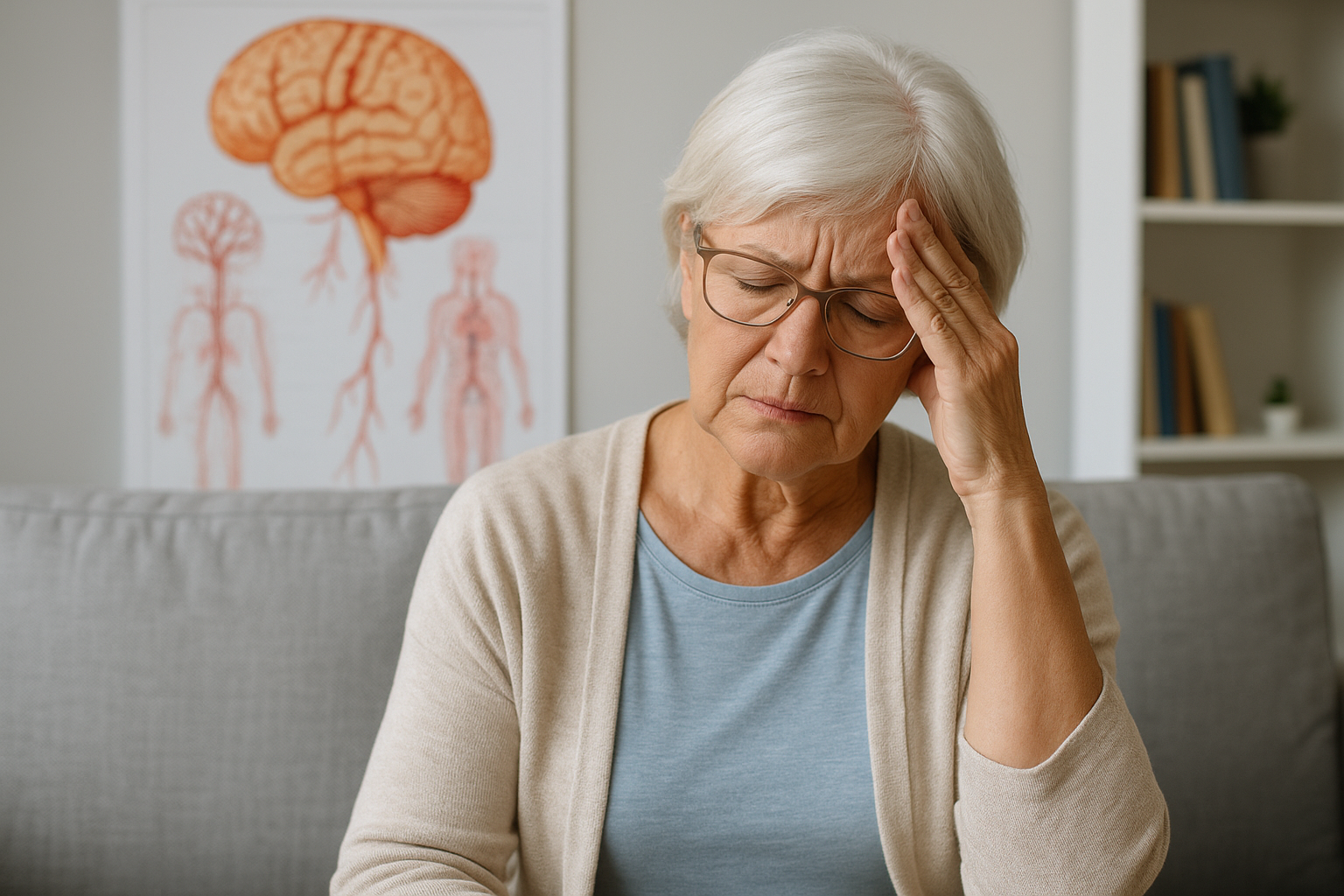

A stroke, also known as a cerebrovascular accident (CVA), is one of the leading causes of long-term disability worldwide. Although urgent medical care and advances in rehabilitation have improved the prognosis for many patients, a fundamental question remains for both those affected and their families: what are the aftereffects of a stroke?
This question addresses not only the physical consequences, but also the cognitive, emotional, and social impairments that can profoundly impact the quality of life of a person who has suffered a stroke.
What is a stroke?

A stroke occurs when the blood flow to a part of the brain is interrupted, depriving brain cells of oxygen and nutrients and causing them to die within minutes. This can be due to a blockage (ischemic stroke) or bleeding (hemorrhagic stroke).
The severity of the aftereffects depends on several factors, including the location of the brain damage, the duration of the event, and how quickly medical care was received. However, in all cases, it is common to ask what are the aftereffects of a stroke, as each patient may present with a unique clinical profile.
Physical aftereffects
Among the most common aftereffects are motor disorders. Many patients experience hemiplegia (paralysis on one side of the body) or hemiparesis (partial weakness). These conditions significantly impact the patient’s mobility and independence.
In addition, it is common to observe coordination difficulties, loss of balance, and alterations in body posture. In this regard, when discussing what are the aftereffects of a stroke, physical limitations are often the most evident, but not the only ones.
Speech and language aftereffects
Another common consequence is aphasia, a language disorder that prevents the patient from expressing themselves or understanding properly. This may manifest as difficulty speaking, finding the right words, or understanding what others are saying.
Dysarthria may also occur, which is the difficulty in properly articulating sounds, caused by weakness in the muscles involved in speech. These aftereffects affect not only communication but also the patient’s self-esteem and social interaction.
Cognitive aftereffects
When analyzing what are the aftereffects of a stroke, it is essential to consider the cognitive impact. The person may experience memory problems, difficulty concentrating, disorientation, and impairments in judgment or decision-making.
Some patients even develop a form of vascular dementia, in which higher mental functions deteriorate due to multiple brain injuries caused by repeated cerebral infarctions.
Emotional and psychological aftereffects
The emotional dimension also undergoes significant changes. Post-stroke depression is a common and often underestimated aftereffect. Patients may feel frustrated by the loss of autonomy, experience anxiety about the future, or display sudden mood swings.
In the context of what are the aftereffects of a stroke, emotional distress can be as debilitating as physical impairment, and it must be addressed with the same level of seriousness.
Sensory disorders
Some patients experience alterations in the perception of pain, temperature, or touch. They may also have double vision, partial vision loss, or altered sensation on one side of the body. These changes affect how the patient interacts with their environment and increase the risk of domestic accidents.
Swallowing and feeding difficulties
A less visible but highly significant aftereffect is dysphagia, which is difficulty swallowing. This not only interferes with feeding but can also lead to malnutrition, dehydration, and even aspiration pneumonia.
In the assessment of what are the aftereffects of a stroke, this type of complication may not be evident in the first few days, but it has a significant impact on the patient’s overall health.

Returning to daily activities is often a slow and complex process. Many individuals are unable to fully reintegrate into work or resume their family roles, which affects their self-esteem and sense of purpose.
In summary, the question of what are the aftereffects of a stroke is answered not only from a medical perspective, but also from a social, emotional, and economic standpoint.
Importance of rehabilitation
The good news is that many of these aftereffects can improve with an appropriate rehabilitation program. Physical therapy, occupational therapy, speech therapy, and psychological support are fundamental pillars in this process.
In addition, there are now complementary treatments, such as NeuroAiD II, aimed at stimulating neuroplasticity and promoting the formation of new neural connections, supporting the patient’s functional recovery.
Knowing what are the aftereffects of a stroke is also the first step in designing effective recovery strategies tailored to each patient and their specific needs.
The role of the family
The patient’s environment plays a crucial role. Emotional support, patience, and active family involvement are key to recovery. Knowing what to expect and how to respond helps manage the aftereffects more effectively and facilitates the patient’s reintegration into their surroundings.
When the family understands what are the aftereffects of a stroke, they can also be part of the solution, providing support with both realism and hope.
Conclusion
The question of what are the aftereffects of a stroke has multiple answers, depending on the specific case. From motor impairments to emotional disorders, the impact is deep and long-lasting. However, with proper treatment, consistent support, and a comprehensive approach, it is possible to improve the quality of life of those who have experienced a stroke.
Understanding what are the aftereffects of a stroke is crucial for patients, families, and professionals, not only to face present challenges but also to build a path toward recovery and adaptation.
If you would like more information about NeuroAiD II, please fill out this contact form.
"*" indicates required fields


