

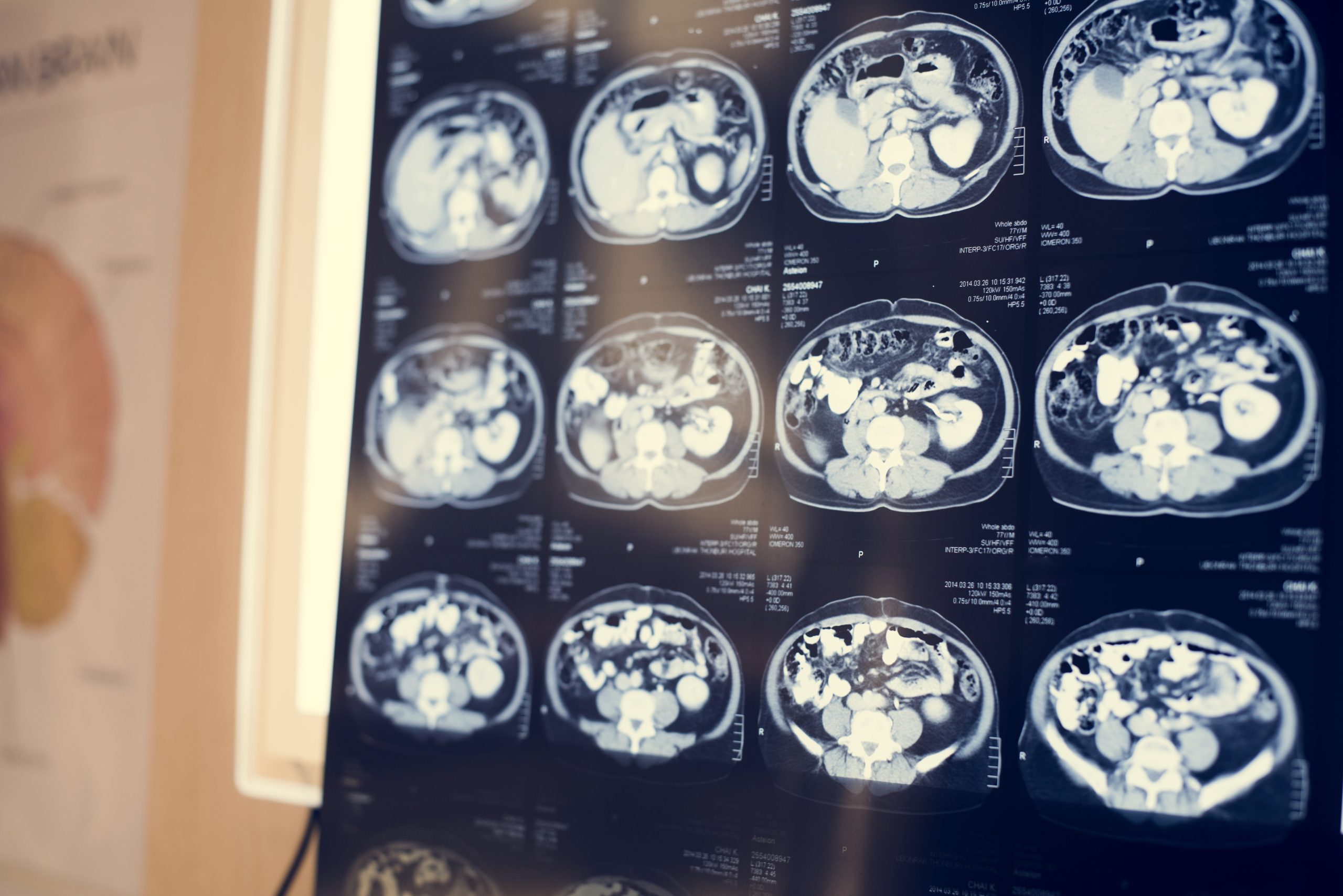

Aneurysm embolization emerges as an advanced and crucial procedure in medical care, highlighting its role in the effective treatment of vascular aneurysms.
Definition of aneurysm embolization
Aneurysm embolization is a specialized medical procedure designed to treat vascular aneurysms, weakened and dilated areas in the walls of blood vessels. Through this technique, the aim is to prevent aneurysm rupture by selectively blocking blood flow to the affected area. This approach minimizes the risk of internal bleeding, a potentially life-threatening complication associated with untreated aneurysms.
Aneurysm embolization involves the introduction of embolic materials, such as coils (metal spirals) or liquid embolic agents, into the aneurysm. These materials promote the formation of a clot or blockage in the affected area, strengthening the vessel wall and reducing internal pressure within the aneurysm.
Importance of treatment
The treatment of aneurysms is crucial due to the potential risk of rupture and hemorrhage, which could have fatal consequences. Aneurysm embolization stands out as a less invasive alternative compared to open surgery, offering significant advantages in terms of recovery and associated risks.
The introduction of this technique has transformed the management of aneurysms, providing healthcare professionals with an effective tool to address this medical condition in a more precise and less traumatic way.
Aneurysms, an in-depth look
In this section, we will explore in detail the phenomenon of aneurysms, understanding what they are and the associated risks and complications. This understanding is essential to contextualize the importance of aneurysm embolization as an effective therapeutic approach.

What is an aneurysm?
- Definition: An aneurysm is an abnormal and localized dilation in the wall of a blood vessel, which can occur in arteries or veins. This dilation creates a bulge in the vessel, weakening its structure and increasing the risk of rupture.
- Types of aneurysms:
- Cerebral Aneurysms: Located in the blood vessels of the brain, they represent a significant risk due to the possibility of hemorrhages.
- Aortic Aneurysms: They affect the aorta, the body’s main artery. They can be abdominal or thoracic.
- Causes and risk factors:
- High blood pressure: Contributes to the weakening of arterial walls.
- Atherosclerosis: Buildup of plaque in the arteries.
- Genetic factors: Hereditary predisposition.
Risks and complications
- Risk of rupture: The main concern with aneurysms is their potential to rupture, which can cause internal bleeding. The likelihood of rupture varies depending on the location and size of the aneurysm.
- Symptoms and consequences:
- Asymptomatic: Some aneurysms may present no symptoms.
- Abdominal or chest pain: In aortic aneurysms.
- Severe headache: In cerebral aneurysms.
- Serious complications:
- Subarachnoid Hemorrhage: Rupture of a cerebral aneurysm with bleeding into the space surrounding the brain.
- Shock and Organ Failure: In cases of massive hemorrhage.
This detailed exploration of aneurysms lays the foundation for understanding the critical need for interventions such as embolization to prevent potentially life-threatening complications.
Aneurysm embolization
In this section, we will delve into the fundamentals of aneurysm embolization, exploring the basic principles that support this technique and contextualizing its historical evolution.
Basic principles of embolization
- Main objective: The primary goal of aneurysm embolization is to prevent aneurysm rupture by selectively blocking blood flow to the affected area. This approach aims to strengthen the vessel wall and reduce internal pressure within the aneurysm.
- Embolic materials:
- Coils (Metal Spirals): Coiled devices inserted into the aneurysm to promote clot formation and obstruct the vessel.
- Liquid Embolic Agents: Injectable substances that fill the aneurysm space and cause vessel occlusion.
Historical context and evolution
- Origins of the technique:
- Embolization as a medical technique dates back to the 1960s and 1970s, when the first attempts were made to selectively block blood flow.
- Initially used to treat vascular malformations, embolization evolved to address aneurysms and other medical conditions.
- Technological advances:
- Imaging technology, such as angiography, has been fundamental in precisely guiding embolization.
- Development of advanced materials, including coated coils and safer, more effective embolic agents.

Aneurysm embolization procedure
In this section, we will explore in detail the aneurysm embolization procedure, from the preliminary patient evaluation to the crucial steps that make up the intervention.
Preliminary patient evaluation
- Medical history and background: Before embolization, a thorough evaluation of the patient’s medical history is carried out, including pre-existing conditions, allergies, and current medications.
- Diagnostic imaging:
- Angiography and other diagnostic imaging provide detailed information about the location, size, and shape of the aneurysm.
- Computed tomography (CT) and magnetic resonance imaging (MRI) are complementary tools in the evaluation.
Preparation and informed consent
- Procedure explanation: The medical team explains the embolization procedure to the patient in detail, including its benefits and possible risks. All questions and concerns are addressed.
- Physical preparation:
- The patient may be required to fast before the procedure.
- In some cases, medications are administered to relieve anxiety or to prevent infections.
Procedure steps
- Vascular access:
- The blood vessels are accessed through a small incision in the groin (femoral artery) or the wrist (radial artery).
- A guiding catheter is inserted until it reaches the site of the aneurysm.
- Selective catheterization:
- A selective catheter is used to specifically reach the vessel supplying the aneurysm.
- Angiography provides real-time images to precisely guide the catheter to the desired location.
- Introduction of embolic materials:
- The embolic materials, such as coils or liquid embolic agents, are selected and placed inside the aneurysm.
- These materials cause clot formation and block blood flow in the affected area.
- Monitoring and confirmation:
- A control angiography is performed to confirm the success of the embolization and to ensure that the aneurysm is completely excluded from blood flow.
Conclusion of aneurysm embolization
Aneurysm embolization, outlined through its fundamentals, principles, and procedural steps, emerges as a significant milestone in interventional medicine. From its historical evolution to its practical application in the treatment of vascular aneurysms, this technique represents a crucial advance in the preservation of cardiovascular health.
In summary, aneurysm embolization represents an innovative paradigm in the management of critical vascular conditions. By offering a less traumatic alternative to open surgery and delivering effective results, this technique stands out as a beacon of hope in modern healthcare. As technology and research advance, aneurysm embolization continues to lead the way toward safer and more personalized care for those affected by this cardiovascular condition.
If you would like more information about NeuroAiD II, please fill out this contact form.
"*" indicates required fields


