

Balint’s syndrome is a rare neurological condition characterized by a combination of impairments affecting visual perception, hand-eye coordination, and the ability to process multiple visual stimuli simultaneously. This disorder is typically associated with bilateral lesions in the parietal lobes of the brain, often as a result of a stroke.
What is Balint’s syndrome?

First described in 1909 by Hungarian neurologist Rezső Bálint, this syndrome is characterized by the combination of three main deficits:
- Optic ataxia:
- Inability to reach for or manipulate objects using vision, due to a disconnection between the visual and motor systems.
- Ocular apraxia:
- Difficulty in voluntarily directing and fixing gaze, especially toward objects of interest.
- Simultanagnosia:
- Inability to perceive more than one object or visual stimulus at a time, leading to a fragmented perception of the environment.
Balint’s syndrome is a debilitating condition, as it severely limits the patient’s interaction with the visual world, affecting their independence and quality of life.
Relationship between Balint’s syndrome and strokes
Balint’s syndrome is often the result of bilateral lesions in the parieto-occipital regions of the brain, which are key areas for sensory integration and visuomotor coordination.
A stroke affecting these areas can trigger the syndrome by disrupting the connections between the parietal and occipital lobes, which are responsible for processing and coordinating visual information with movement.
Causes of Balint’s syndrome
Although strokes are one of the main causes, Balint’s syndrome can also result from:
- Neurodegenerative diseases:
- Such as advanced Alzheimer’s disease, which affects the parietal cortex.
- Traumatic brain injuries:
- Bilateral injuries that damage visual and parietal areas.
- Encephalitis or brain infections:
- Inflammation that compromises neuronal connections.
- Cerebral anoxia:
- Lack of oxygen that damages specific areas of the brain.
- Brain tumors:
- That compress or destroy the parieto-occipital regions.
Symptoms of Balint’s syndrome
Symptoms vary in severity, but the most common include
- Difficulty locating or reaching for visualized objects.
- Difficulty shifting gaze between objects or fixing it on a specific point.
- Fragmented perception of the environment, with inability to see a complete scene.
- Confusion when performing tasks that require visuomotor coordination, such as dressing.
- Reliance on other sensory modalities, such as touch, to compensate for visual deficiencies.
In severe cases, patients may experience social isolation and frustration due to their inability to interact properly with their environment.
Diagnosis of Balint’s syndrome
Diagnosing this syndrome requires a comprehensive and detailed approach:
- Clinical evaluation:
- Observation of the patient’s visuomotor skills and visual perception.
- Neuropsychological testing:
- Assessments to detect optic ataxia, ocular apraxia, and simultanagnosia.
- Brain imaging studies:
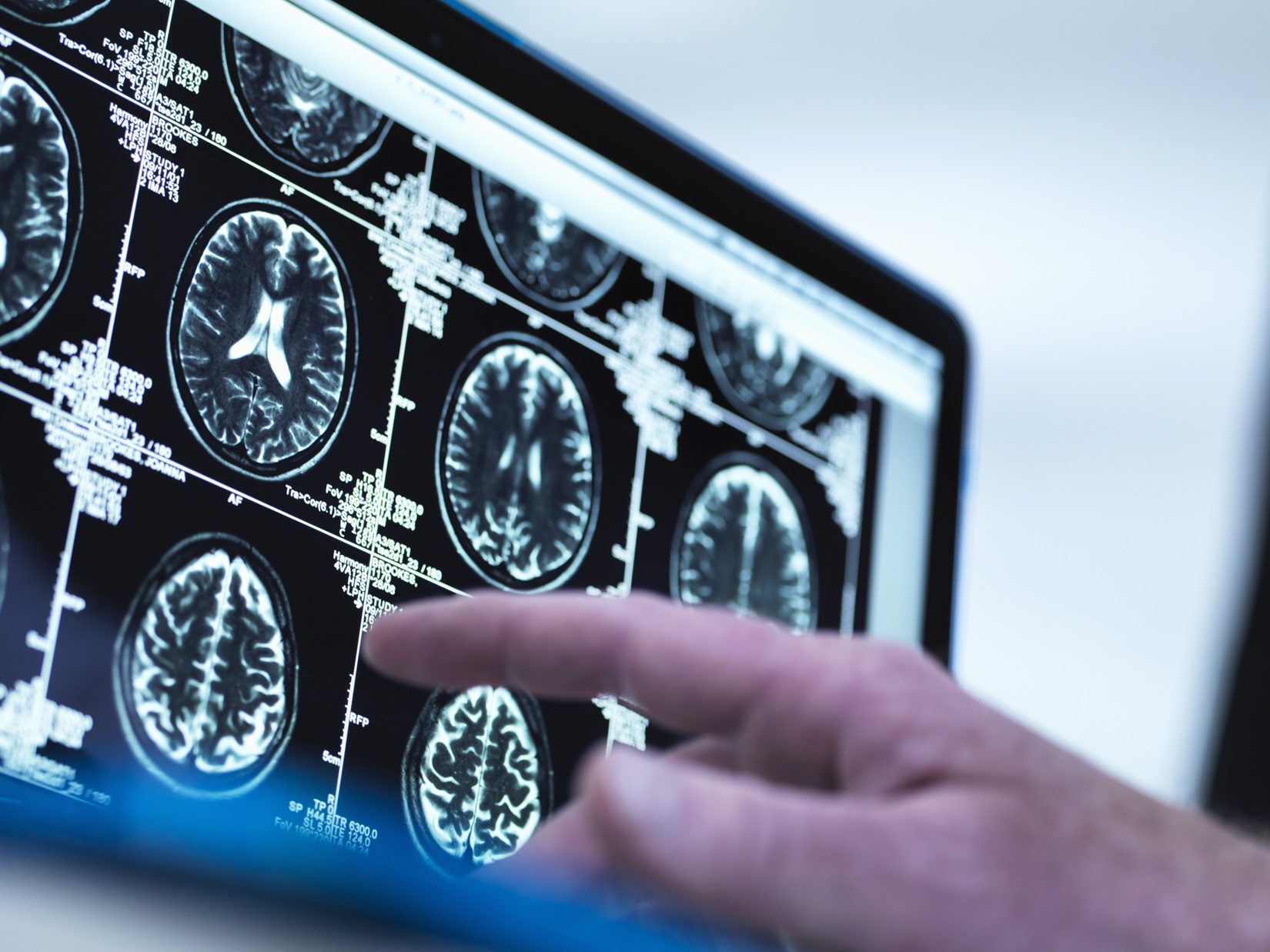
- Magnetic resonance imaging (MRI) or computed tomography (CT) to identify lesions in the parieto-occipital regions.
- Exclusion of other disorders:
- Such as primary visual impairments or psychiatric conditions.
Treatment of Balint’s syndrome
There is no specific cure for Balint’s syndrome, but interventions focus on maximizing functionality and improving quality of life:
- Neuropsychological rehabilitation:
- Training to improve visual perception and visuomotor coordination.
- Occupational therapy:
- Adaptation to limitations through practical strategies and assistive tools.
- Sensory stimulation:
- Use of multisensory techniques to reinforce interaction with the environment.
- Treatment of the underlying cause:
- For example, managing hypertension or preventing future strokes.
Impact of Balint’s syndrome on daily life

This syndrome significantly affects the patient’s independence and functionality. Difficulties in processing visual stimuli and coordinating movements can interfere with daily tasks such as:
- Driving or navigating unfamiliar places.
- Reading or writing.
- Performing activities that require manual precision, such as cooking.
Family and social support, along with environmental adaptation, are essential to improve the patient’s autonomy.
Prevention of Balint’s syndrome in stroke patients
Prevention of this syndrome involves reducing the risk factors for bilateral brain lesions:
- Control blood pressure and cholesterol.
- Adopt a healthy lifestyle with regular exercise.
- Avoid smoking and excessive alcohol consumption.
- Timely detection and treatment of cardiovascular diseases.
Conclusion
Balint’s syndrome is a complex disorder that illustrates how lesions in specific areas of the brain can profoundly alter visual perception and motor coordination. Although rare, its impact on daily life can be significant, especially when it arises as a consequence of a stroke.
A combination of early diagnosis, multidisciplinary interventions, and continuous support can help patients adapt to their limitations and regain, as much as possible, their functionality and quality of life.
If you would like more information about NeuroAiD II, please fill out this contact form.
"*" indicates required fields


