

A blood clot may seem harmless, but it is actually one of the main triggers of cerebrovascular accidents. Clots can form anywhere in the circulatory system, and when they become lodged in the vessels that supply the brain, they can block blood flow and cause irreversible damage.
What is a blood clot and how does it form?
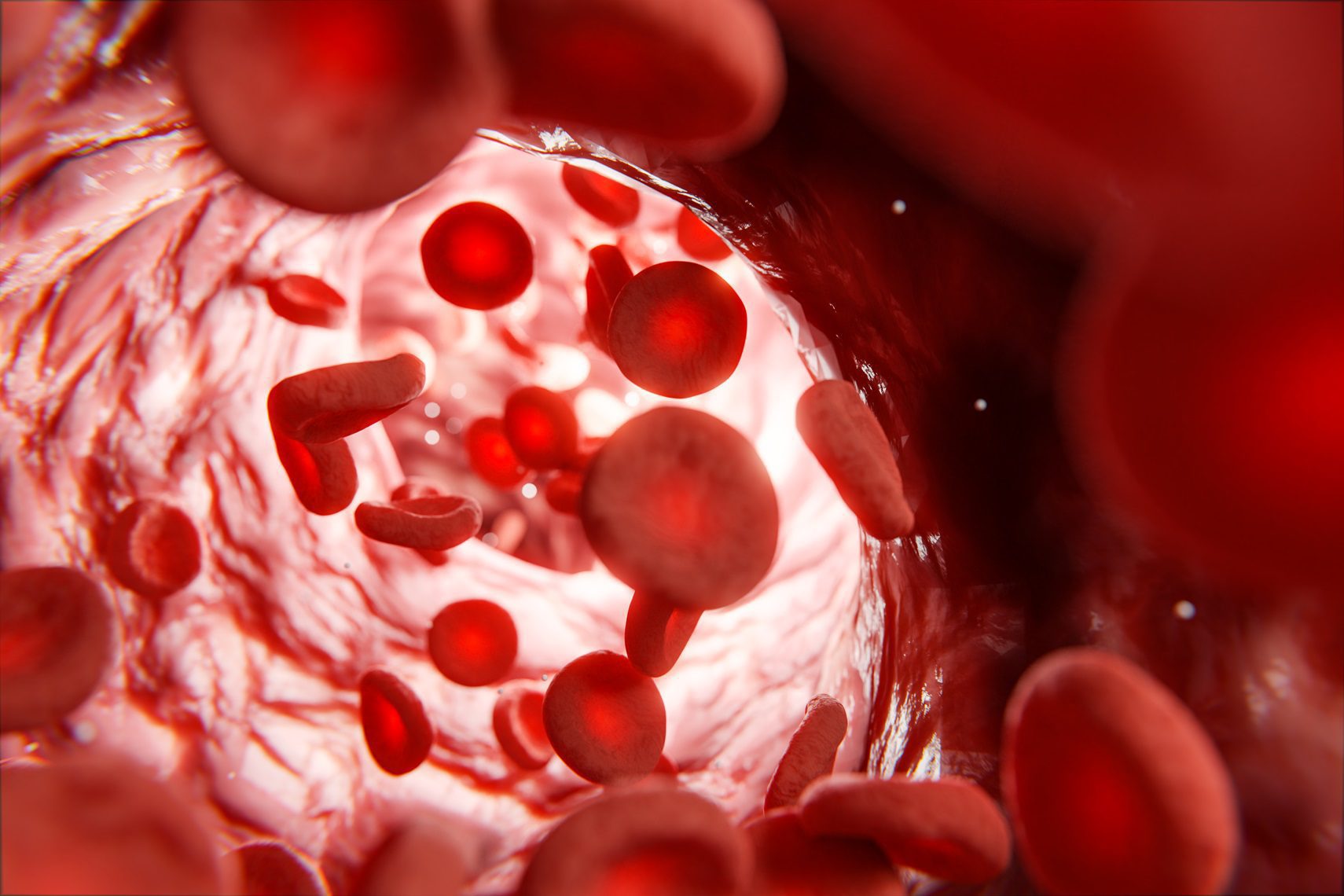
A blood clot is an accumulation of blood that solidifies or thickens, forming a gelatinous mass. This process is part of the body’s natural response to stop bleeding when a blood vessel breaks. Normally, the blood clot helps seal wounds and prevents the body from losing excessive amounts of blood.
However, in some cases, a blood clot can form inside a blood vessel without any apparent injury. These unwanted clots can travel through the circulatory system and block blood flow in critical areas such as the brain. When a blood clot blocks a cerebral artery, an ischemic stroke occurs, which is the most common type of stroke.
Blood clot and its relationship with stroke
A stroke, also known as a cerebrovascular accident, occurs when blood flow to the brain is interrupted or significantly reduced, depriving brain cells of oxygen and nutrients. In most cases, this interruption is caused by a blood clot blocking an artery in the brain. This type of stroke is called an ischemic stroke and accounts for approximately 87% of all cases.
When a blood clot blocks the blood supply to the brain, cells in the affected area begin to die within minutes. Depending on the extent and location of the brain damage, patients may experience paralysis, speech difficulties, cognitive problems, and other serious effects. Detecting and treating a blood clot quickly is essential to minimize the permanent damage caused by the stroke.
What causes the formation of a blood clot?
There are several factors that can increase the risk of blood clot formation in the body. Some of these factors include:
- Atherosclerosis: This condition occurs when the arteries harden and narrow due to the buildup of cholesterol plaques. Narrowed areas in the arteries are more likely to develop blood clots, increasing the risk of stroke.
- Atrial fibrillation: An irregular heart rhythm, such as atrial fibrillation, can cause blood to pool and stagnate in the heart, increasing the risk of a blood clot forming and traveling to the brain, potentially causing a stroke.
- Deep vein thrombosis (DVT): Although deep vein thrombosis typically affects the veins in the legs, a blood clot that breaks loose from these veins can travel to the lungs, heart, or brain, causing serious complications, including a stroke.
- Hereditary risk factors: Some individuals inherit conditions that make them more prone to developing blood clots, increasing their risk of experiencing a stroke.
- Sedentary lifestyle and obesity: Lack of physical activity and excess weight can slow down blood circulation, making it easier for blood clots to form
Diagnosis of a blood clot in relation to stroke

Early detection of a blood clot is crucial to prevent a stroke or minimize its effects. Physicians use various diagnostic tests to identify the presence of blood clots. Some of the most common include:
- Doppler ultrasound: This test is used to evaluate blood flow in the arteries and veins. It can detect the presence of a blood clot and assess whether it is obstructing blood flow.
- Computed tomography (CT): A brain CT scan can help identify whether a stroke has been caused by a blood clot and assess the extent of the damage in the brain.
- Cerebral angiography: This technique uses a contrast dye injected into the arteries to visualize blood flow in the brain and detect any obstruction caused by a blood clot.
- Magnetic resonance imaging (MRI): An MRI can provide detailed images of the brain and help identify the size and location of an ischemic stroke, as well as the presence of a blood clot.
Treatment of a blood clot in the context of stroke
Treatment for a blood clot depends on its size, location, and the time elapsed since the onset of symptoms. In the context of a stroke, rapid intervention is essential to minimize brain damage. Some treatment options include:
1. Thrombolytics
Thrombolytic medications, such as tissue plasminogen activator (tPA), are used to dissolve the blood clot that is blocking blood flow to the brain. These drugs are most effective when administered within the first few hours after the onset of the stroke.
2. Anticoagulants
Anticoagulants, such as heparin or warfarin, are used to prevent the formation of new blood clots and reduce the risk of stroke recurrence.
3. Mechanical thrombectomy
In some cases, physicians may perform a procedure called mechanical thrombectomy, in which a specialized device is used to physically remove the blood clot from the blocked artery.
4. Management of underlying risk factors
In addition to treating the current blood clot, it is essential to manage underlying risk factors such as hypertension, diabetes, and high cholesterol to prevent future strokes.
Prevention of blood clots and strokes

Preventing the formation of blood clots is one of the best ways to reduce the risk of stroke. Key strategies include:
- Maintaining an active lifestyle: Regular physical activity helps improve blood circulation and reduces the risk of blood clot formation.
- Managing risk factors: High blood pressure, elevated cholesterol, and diabetes should be controlled with medication and lifestyle changes.
- Avoiding smoking: Smoking damages blood vessels and increases the risk of blood clot formation.
- Taking anticoagulant medication when necessary: Individuals at higher risk of blood clot formation, such as those with atrial fibrillation, may need to take anticoagulant drugs to prevent strokes.
Conclusion
A blood clot can be the triggering factor behind a stroke, one of the leading causes of disability and death worldwide. Understanding how clots form, their connection to strokes, and the ways to prevent and treat them is essential for reducing risk and improving recovery outcomes. Early detection and rapid treatment are key to minimizing brain damage caused by a stroke and enhancing patients’ quality of life.
Adopting healthy lifestyle habits and following medical recommendations are essential measures to prevent the formation of blood clots and ultimately avoid the devastating effects of a stroke.
If you would like more information about NeuroAiD II, please fill out this contact form.
"*" indicates required fields


