
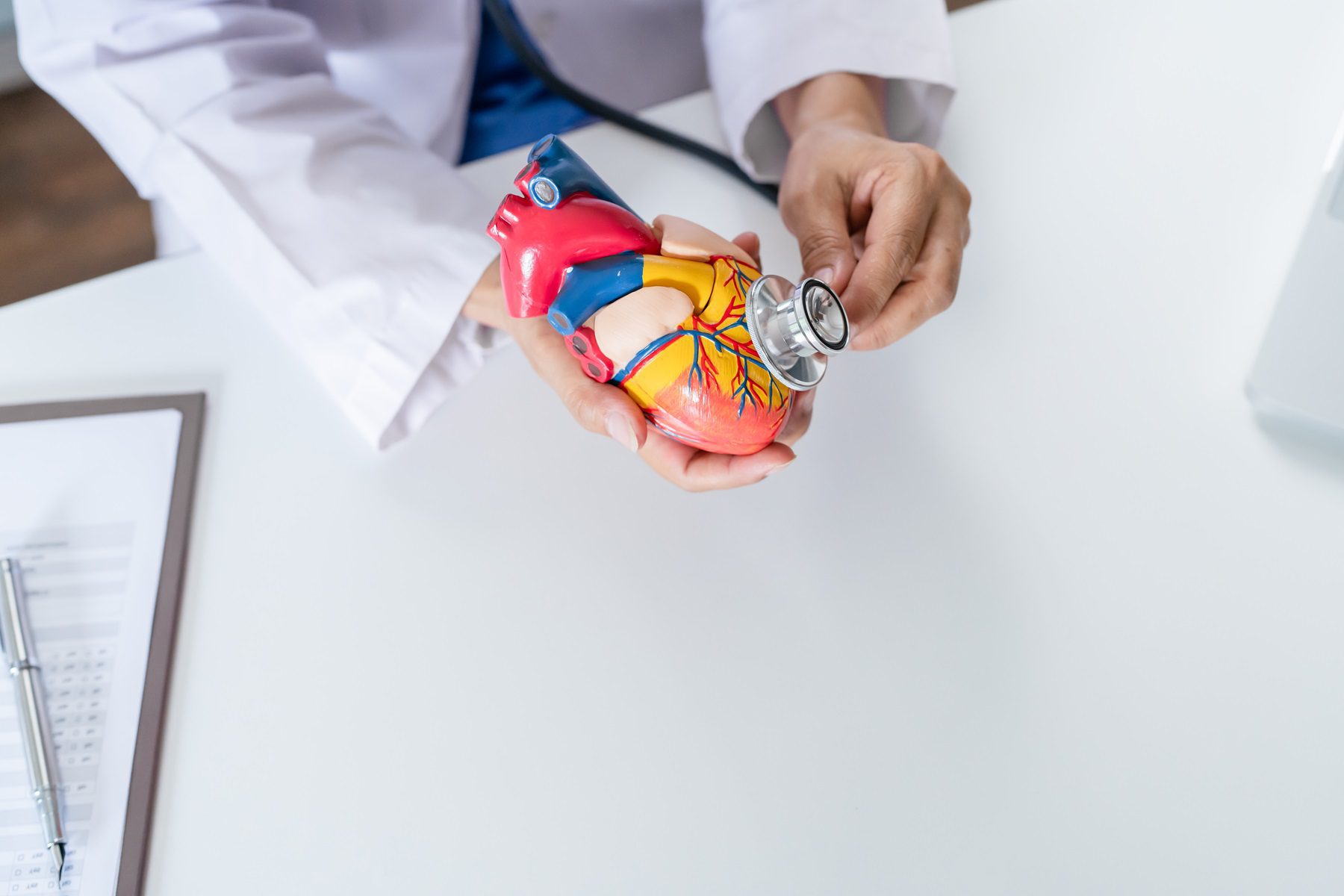

Cardiac arrhythmia is a disruption in the normal rhythm of the heart that can affect both the frequency and regularity of the heartbeat. Among the various types of arrhythmias, atrial fibrillation is one of the most significant due to its direct association with an increased risk of stroke. This connection between arrhythmia and stroke has been extensively studied, and understanding it is essential for preventing serious complications and safeguarding both cardiovascular and neurological health.
What is Cardiac Arrhythmia?

Cardiac arrhythmia occurs when there is a problem in the heart’s electrical conduction system that disrupts its normal rhythm. The main types of arrhythmias include:
- Tachycardia: an increased heart rate, typically above 100 beats per minute.
- Bradycardia: a decreased heart rate, typically below 60 beats per minute.
- Atrial fibrillation: an irregular and rapid heart rhythm that occurs when the atria of the heart beat in a chaotic and uncoordinated manner.
- Extrasystoles: extra or premature heartbeats that disrupt the heart’s normal rhythm.
Among these arrhythmias, atrial fibrillation stands out as one of the most significant risk factors for stroke, as this condition can lead to the formation of blood clots in the heart. These clots can travel through the bloodstream to the brain, where they may block blood flow and cause a stroke.
Relationship Between Cardiac Arrhythmia and Stroke
The connection between cardiac arrhythmia, particularly atrial fibrillation, and stroke is significant. When the heart beats irregularly, especially in atrial fibrillation, blood can pool in the atria and form clots. These clots can break loose and travel through the bloodstream to the brain, where they may block cerebral blood vessels and trigger an ischemic stroke.
This type of stroke is particularly dangerous because it can occur without warning and have severe consequences such as paralysis, speech problems, and in some cases, death. Atrial fibrillation increases the risk of stroke by up to five times, making it essential to monitor and treat this arrhythmia to reduce the risk of neurological complications.
Risk Factors for Cardiac Arrhythmia and Stroke
Several risk factors contribute to both cardiac arrhythmia and stroke. Some of the most important include:
- Hypertension: high blood pressure increases the risk of developing arrhythmias and contributes to blood vessel damage, raising the likelihood of a stroke.
- Advanced age: as people get older, the risk of atrial fibrillation and stroke increases significantly.
- Heart diseases: a history of heart failure, ischemic heart disease, or valvular heart conditions are significant risk factors.
- Diabetes: diabetes increases the risk of both arrhythmia and stroke.
- Alcohol consumption and smoking: these habits can increase the likelihood of arrhythmias and vascular damage, thereby raising the risk of stroke.
- Physical inactivity and obesity: both factors are associated with a higher risk of cardiac and vascular problems.
Identifying and controlling these risk factors is essential to prevent the onset of arrhythmias that may trigger a stroke.
Diagnosis of Arrhythmia and Its Connection to Stroke
The diagnosis of cardiac arrhythmia is carried out using tests that allow observation and recording of the heart’s rhythm. Some of the most common tests include:
- Electrocardiogram (ECG): records the electrical activity of the heart and is useful for identifying various types of arrhythmias.
- Holter monitor: a portable device that records heart rhythm for 24 hours or more to detect intermittent arrhythmias.
- Electrophysiological study: a specialized procedure that evaluates the heart’s electrical system.
- Echocardiogram: allows visualization of blood flow through the heart and helps detect possible clots in the atria.
To assess stroke risk in individuals with atrial fibrillation, physicians may use the CHA2DS2-VASc score, which considers factors such as age, hypertension, diabetes, and a history of stroke. This score helps determine the need to initiate preventive treatment.
Treatment and Prevention of Arrhythmia to Reduce Stroke Risk

Stroke prevention in individuals with cardiac arrhythmia involves a combination of treatments to control heart rhythm and blood clotting. Treatment options include:
- Anticoagulant medications: these drugs reduce the likelihood of blood clot formation, lowering the risk of clots breaking loose and traveling to the brain. Warfarin, dabigatran, rivaroxaban, and apixaban are some examples of commonly used anticoagulants.
- Heart rate and rhythm control: medications such as beta-blockers and calcium channel blockers help regulate the heart’s rhythm and prevent arrhythmias.
- Cardioversion: a procedure in which an electrical shock is applied to restore the heart’s normal rhythm.
- Cardiac ablation: a minimally invasive technique in which small areas of the heart responsible for the arrhythmia are destroyed to restore a normal rhythm.
- Device implantation: in some cases, devices such as pacemakers can be implanted to regulate heart rhythm.
In addition, lifestyle recommendations such as maintaining a balanced diet, exercising regularly, and avoiding alcohol and tobacco use are essential to prevent both arrhythmia and stroke.
Conclusion
Cardiac arrhythmia, especially atrial fibrillation, is a major risk factor for stroke. The connection between these two conditions lies in the formation of blood clots in the heart that can travel to the brain and cause a stroke. Prevention and early treatment of arrhythmia through the use of anticoagulants, heart rate control, and lifestyle changes are essential to reduce the risk of stroke.
As research progresses, the identification and management of cardiac arrhythmia remain a key focus in stroke prevention, protecting both the cardiovascular and neurological health of patients.
If you would like more information about NeuroAiD II, please fill out this contact form.
"*" indicates required fields


