



The causes of a mild stroke may go unnoticed if not well understood, but they represent a serious warning that something is not functioning properly in the vascular system. Early recognition of these factors is essential to prevent further damage and protect brain health.
Stroke is one of the leading causes of disability worldwide, but not all cases present with the same severity. There is a category known as mild stroke, which, although it may present with transient or less severe symptoms, still represents a significant medical warning.
What is a mild stroke?
A mild stroke, also referred to as a minor cerebrovascular event, occurs when there is a temporary interruption of blood flow to the brain. Unlike a severe stroke, its symptoms may be less intense, short-lived, or even resolve quickly. However, this does not mean it should be ignored, as a mild stroke may be a precursor to a more serious event if not properly identified and managed.
Main causes of a mild stroke
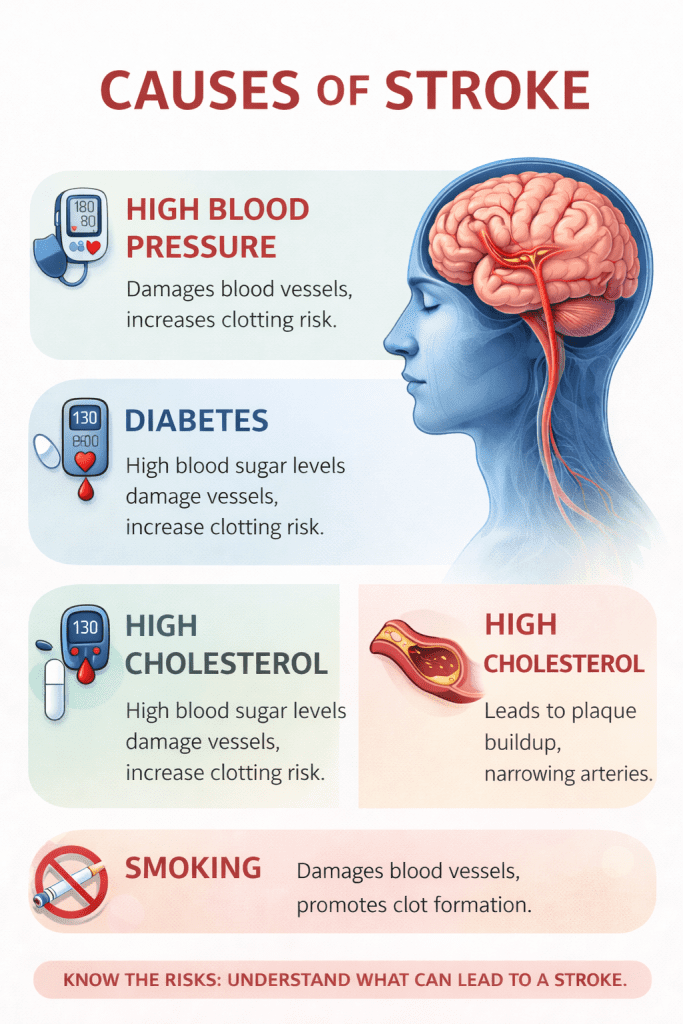
The causes of a mild stroke are similar to those of a more severe stroke, but they may present with lower intensity. Some of the most common include:
1. Arterial hypertension
High blood pressure is one of the main causes of a mild stroke. Excessive force of blood against the arterial walls can damage them, promoting clot formation or vessel rupture.
2. Atherosclerosis
The buildup of fatty plaques in the cerebral arteries can lead to partial blockages. These obstructions may temporarily reduce blood flow, representing one of the causes of a mild stroke.
3. Atrial fibrillation
Cardiac arrhythmias, such as atrial fibrillation, can lead to the formation of small clots that travel to the brain and temporarily block arteries, causing symptoms of a mild stroke.
4. Diabetes mellitus
Diabetes contributes to vascular damage and increases the risk of clot formation. It is one of the causes of a mild stroke when not properly controlled.
5. Hypercholesterolemia
Elevated cholesterol promotes the formation of atherosclerotic plaques that can narrow the cerebral arteries. This condition is another cause of a mild stroke, particularly when combined with other risk factors.
6. Smoking
Smoking negatively affects the cardiovascular system and accelerates the atherosclerotic process. It is one of the most preventable causes of a mild stroke through lifestyle modification.
7. Physical inactivity
Lack of physical activity contributes to multiple risk factors such as obesity, hypertension, and diabetes. Indirectly, physical inactivity is one of the causes of a mild stroke.
8. Chronic stress
Chronic stress over time can negatively impact cardiovascular and vascular health. Although less widely recognized, stress is considered one of the contributing factors to a mild stroke, particularly when combined with other risk factors.
9. Excessive alcohol consumption
Excessive alcohol consumption alters blood pressure and may lead to arrhythmias. Alcohol abuse has been identified among the causes of a mild stroke in young and middle-aged patients.
10. Oral contraceptives
Some hormonal contraceptives increase the risk of thrombosis. In young women, this is one of the causes of a mild stroke when additional factors such as smoking or migraines are present.
Symptoms of a mild stroke
Although symptoms may resolve quickly, it is important to recognize them:
- Numbness or weakness in one part of the body.
- Difficulty speaking or understanding.
- Visual disturbances.
- Dizziness or loss of balance.
- Sudden onset headache.
In the presence of any of these symptoms, even if they appear mild, immediate medical attention is required, as they may be associated with the causes of a mild stroke and require urgent treatment.
Diagnosis and treatment
El diagnóstico de un ictus leve se realiza mediante estudios de imagen cerebral como TAC o resonancia magnética. También se realizan análisis de sangre, estudios cardiológicos y evaluación de factores de riesgo.
The treatment includes:
- Blood pressure control.
- Anticoagulant or antiplatelet therapy.
- Lifestyle modifications.
- Periodic neurological evaluation.
Addressing the causes of a mild stroke can prevent it from progressing into a major event.
Prevención
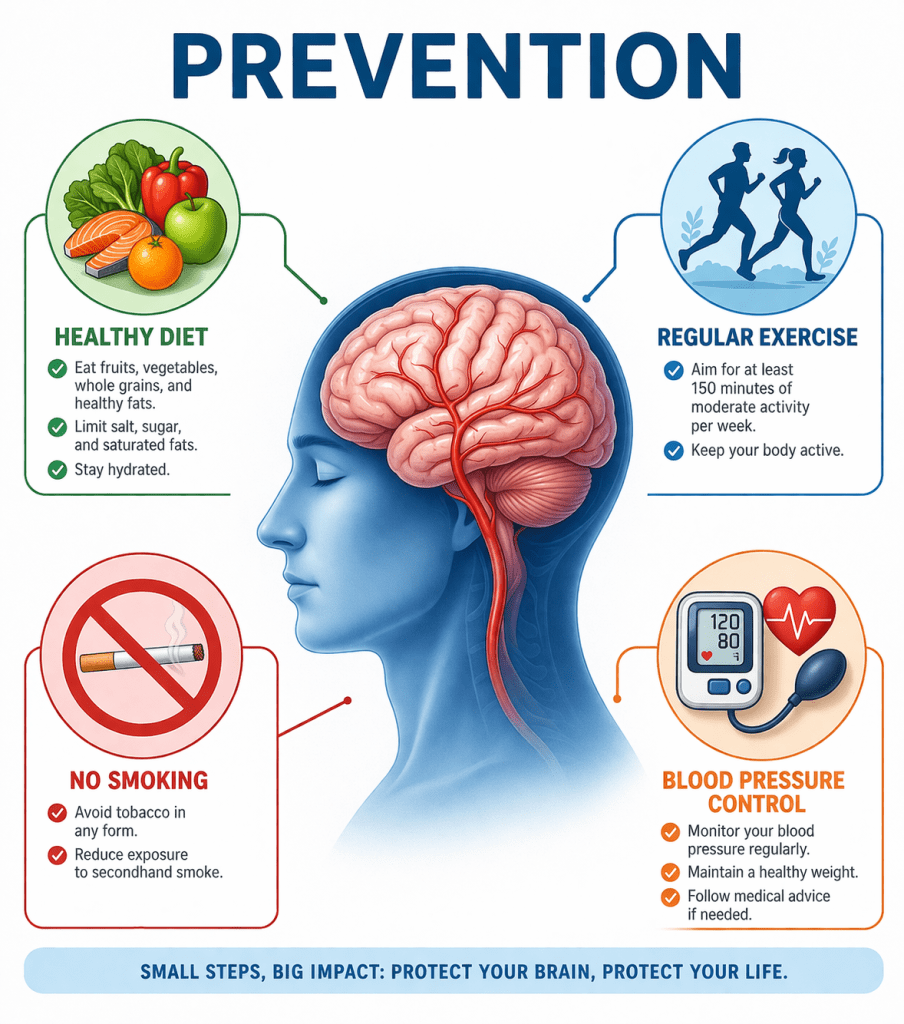
The best strategy in the context of a mild stroke is prevention. Addressing the causes of a mild stroke involves:
- Maintain a balanced diet.
- Engage in regular physical activity.
- Avoid smoking and excessive alcohol consumption.
- Control blood pressure, cholesterol, and blood glucose levels.
Prevention is key because, although the symptoms of a mild stroke may resolve, the underlying causes of a mild stroke remain present if not properly managed.
Conclusion
Identifying the causes of a mild stroke is essential to prevent serious complications. Although the symptoms may appear minor, their underlying origin is not. Taking care of cardiovascular health, protecting the arteries, and adopting a healthy lifestyle are the most effective ways to prevent a warning sign from becoming a life-threatening emergency. Addressing the causes of a mild stroke in a timely manner can significantly reduce the risk of permanent brain damage.
If you would like more information about NeuroAiD II, please fill out this contact form.
"*" indicates required fields


