

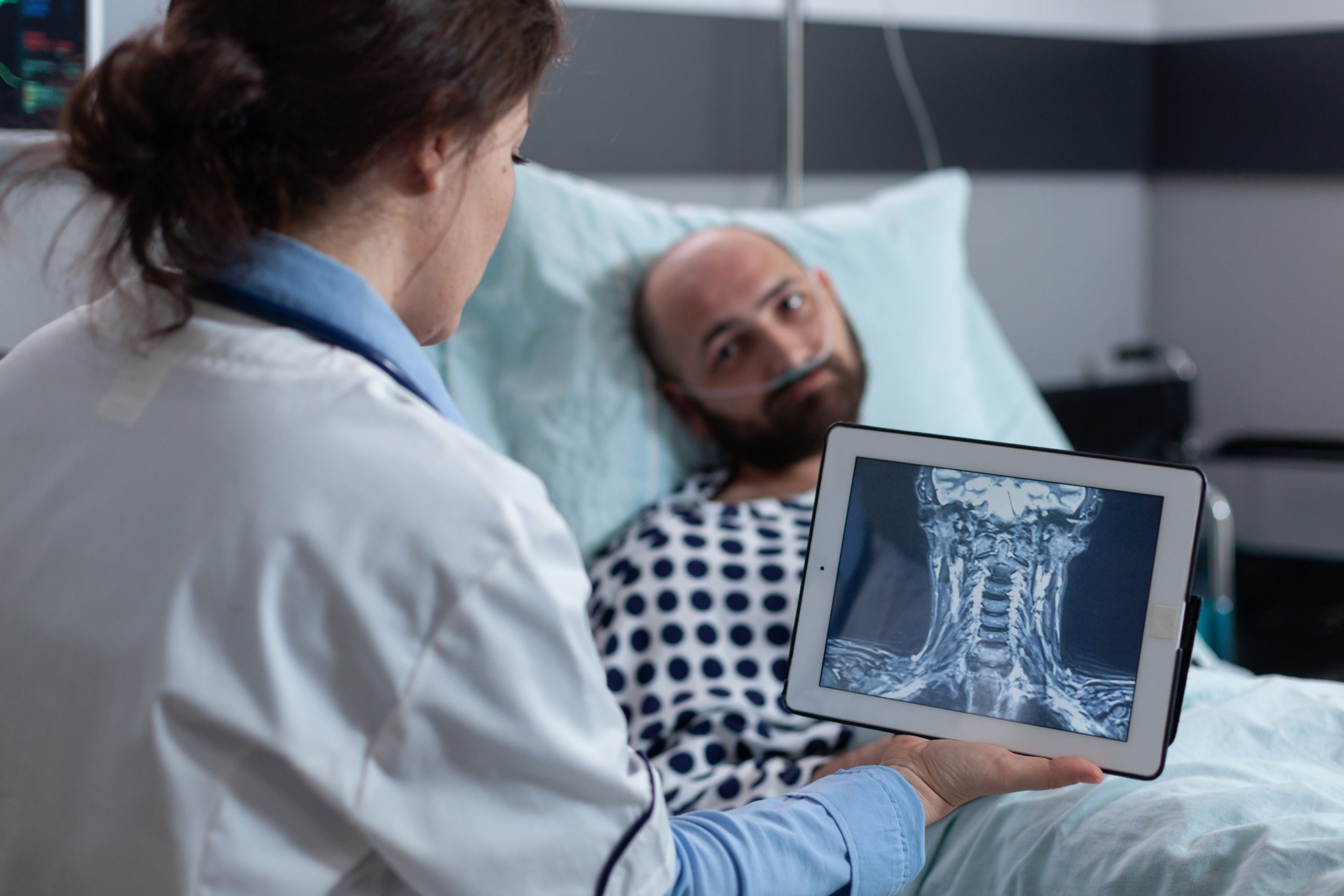

Dysphagia, a complex condition that affects the ability to swallow, goes far beyond being merely a nuisance when eating or drinking. The causes of dysphagia are multiple and diverse, and this article will explore the many facets of dysphagia, breaking down its causes and highlighting in particular the impact of stroke, a significant factor that can trigger major difficulties in the swallowing process.
What is Dysphagia?
Dysphagia, as a symptom of dysfunctions in the swallowing system, presents in various ways. From neuromuscular issues to structural complications, this section provides an overview of the wide range of factors that contribute to this disorder, emphasizing the importance of a thorough understanding for effective treatment.
Causes of Dysphagia
The neuromuscular roots of dysphagia are extensive, including diseases such as amyotrophic lateral sclerosis (ALS) and Parkinson’s disease. In addition, stroke, which is a disruption of blood flow to the brain, can have significant neuromuscular consequences. It affects the coordination of the muscles involved in swallowing and is one of the main causes of dysphagia.

Structural Causes of Dysphagia
Structural obstructions, such as esophageal tumors and esophageal strictures, are well-known factors in dysphagia. However, in the case of stroke, structural impact may manifest in various ways, ranging from muscle weakness to coordination problems, thereby contributing to difficulties in swallowing.
Risk Factors and Age-Related Dysphagia
The elderly population faces a higher risk of developing dysphagia, and stroke emerges as a significant factor within this group. Brain damage associated with stroke can increase vulnerability to dysphagia, highlighting the need for specialized care in this population.
Inflammatory and Infectious Causes
Inflammatory conditions, such as esophagitis, and viral or bacterial infections can trigger dysphagia. In the context of stroke, the body’s inflammatory response may be altered, thereby contributing to the presence of swallowing difficulties.
Diagnosis and Evaluation of the Causes of Dysphagia
Stroke not only has neuromuscular and structural consequences, but it can also affect the sensory perception and coordination required for swallowing. This section will explore how healthcare professionals use various tools to diagnose and assess the complexities associated with post-stroke dysphagia.
Tratamiento y manejo de la Disfagia
Addressing dysphagia, especially when it is linked to a stroke, involves multifaceted approaches. From swallowing therapy to specific surgical interventions, this section will highlight how treatment is tailored to individual needs, taking into account the particular challenges associated with post-stroke dysphagia.

Conclusions
In conclusion, dysphagia is a complex symptom with diverse causes, and stroke emerges as a key factor influencing its development. Early identification and a deep understanding of the associated complexities are crucial to providing personalized treatments and improving the quality of life for those facing this challenge, especially after a stroke.
If you would like more information about NeuroAiD II, please fill out this contact form.
"*" indicates required fields


