
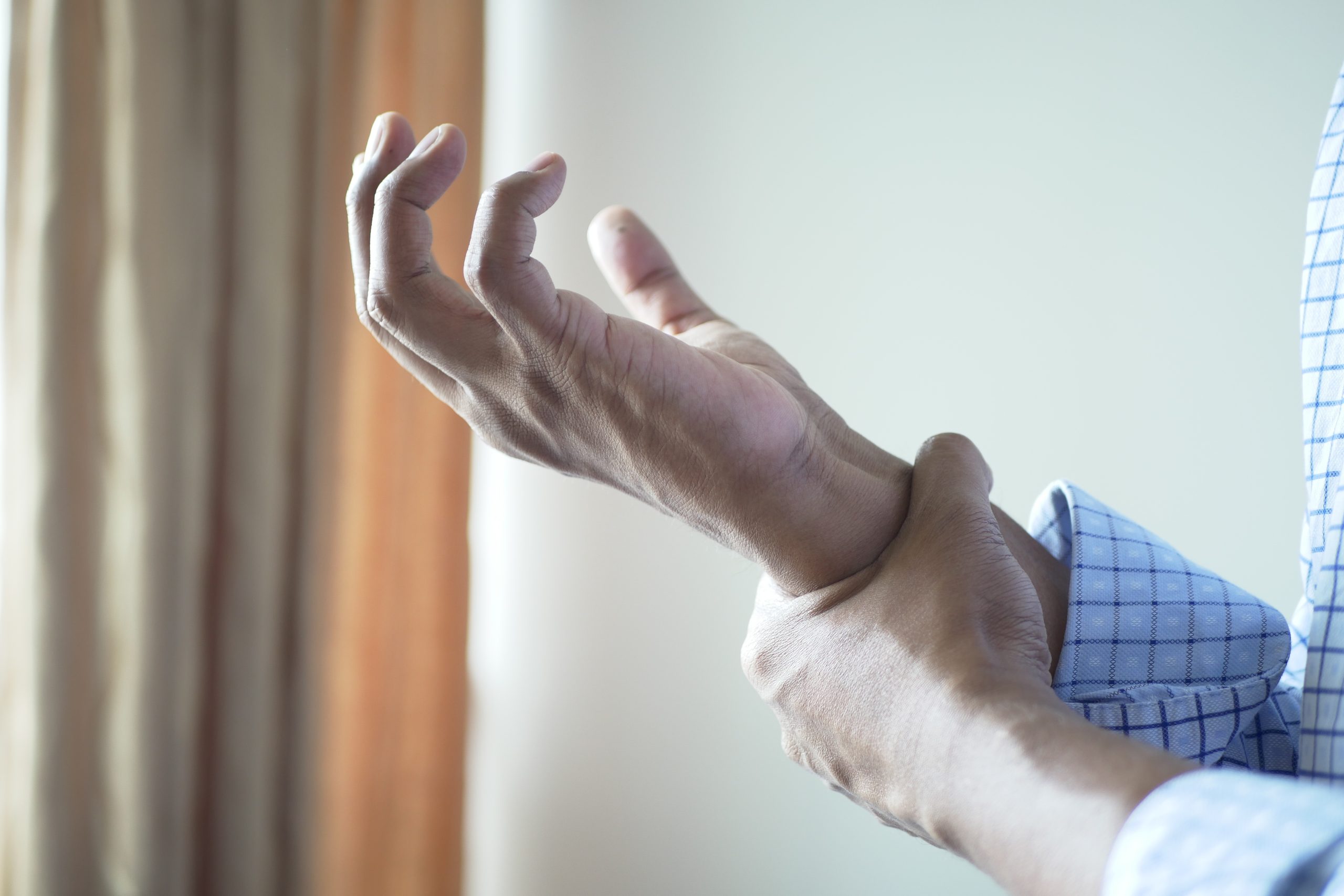

Claw hand is a deformity characterized by an abnormal curvature of the fingers, resulting in a claw-like position. This condition can interfere with daily activities that require hand use, such as grasping objects, writing, or even dressing. Claw hand is usually the result of damage to the nerves that control the hand muscles, although it can have various underlying causes.
Causes of Claw Hand

Claw hand can be associated with various conditions and injuries that affect the nerves or muscles of the hand. The most common causes include:
Symptoms of Claw Hand
The symptoms of claw hand can vary in severity depending on the underlying cause and the extent of nerve damage. The most common symptoms include:
Diagnosis of Claw Hand
The diagnosis of claw hand is based on a combination of the patient’s medical history, a physical examination, and diagnostic imaging or neurological studies. The most common steps to diagnose this condition include:
- Physical Examination:
The doctor will assess finger mobility, hand muscle strength, and look for visible deformities. Reflexes and sensation in the hand will also be evaluated to identify possible nerve problems. - Electromyography (EMG):
This test measures the electrical activity of muscles and nerves to determine if there is damage to the ulnar nerve or other nerves controlling hand movements. - Nerve Conduction Studies:
This procedure evaluates the speed at which electrical impulses travel through the nerves to detect the presence of neuropathy or nerve injury. - Magnetic Resonance Imaging (MRI):
An MRI can help identify damage to nerves, muscles, or bone structures that may be contributing to the claw hand. - X-rays:
If a fracture or bone damage is suspected, X-rays can help determine whether the bone structure is compromised and contributing to the deformity.
Treatment of Claw Hand
Treatment of claw hand depends on the underlying cause and the severity of the deformity. The most common therapeutic approaches include:
- Physical therapy: A program of specific physical exercises can help strengthen weakened muscles, improve finger mobility and prevent further deformity. Physical therapy is essential in cases of nerve or muscle injury.
- Orthoses or splints: In some cases, splints or support devices are used to keep the fingers in an appropriate position, reduce pressure on the nerves and improve hand function.
- Medications: If the cause of claw hand is inflammation or nerve compression, anti-inflammatory drugs or corticosteroids may be prescribed to reduce inflammation and relieve symptoms.
- Surgery: In severe cases or when there is irreversible nerve damage, surgery may be necessary to relieve pressure on the nerve or correct structural deformities. Surgical procedures may include ulnar nerve release or tendon reconstruction.
- Occupational therapy: Occupational therapists can help patients learn techniques to perform daily tasks using adaptations and special tools, improving independence and quality of life.
Rehabilitation and prognosis

The prognosis of claw hand depends on the underlying cause and how promptly treatment is initiated. In many cases, with appropriate intervention, it is possible to improve hand function and reduce the deformity. Intensive physical therapy, combined with the use of splints and strengthening exercises, can achieve significant recovery in many patients.
However, if the cause of claw hand is a severe nerve injury or irreversible damage, complete recovery may not be possible. In such cases, surgery and occupational therapy can help optimize hand function and improve the patient’s quality of life.
Conclusion
Claw hand is a complex condition that can significantly limit a person’s ability to perform daily activities. However, with early diagnosis and an appropriate treatment approach, it is possible to improve hand function and prevent further deformity. Physical therapy, surgical intervention when necessary and supportive therapies play a crucial role in recovery. The key is to address the underlying cause as early as possible to maximize the chances of successful treatment and rehabilitation.
If you would like more information about NeuroAiD II, please fill out this contact form.
"*" indicates required fields


