

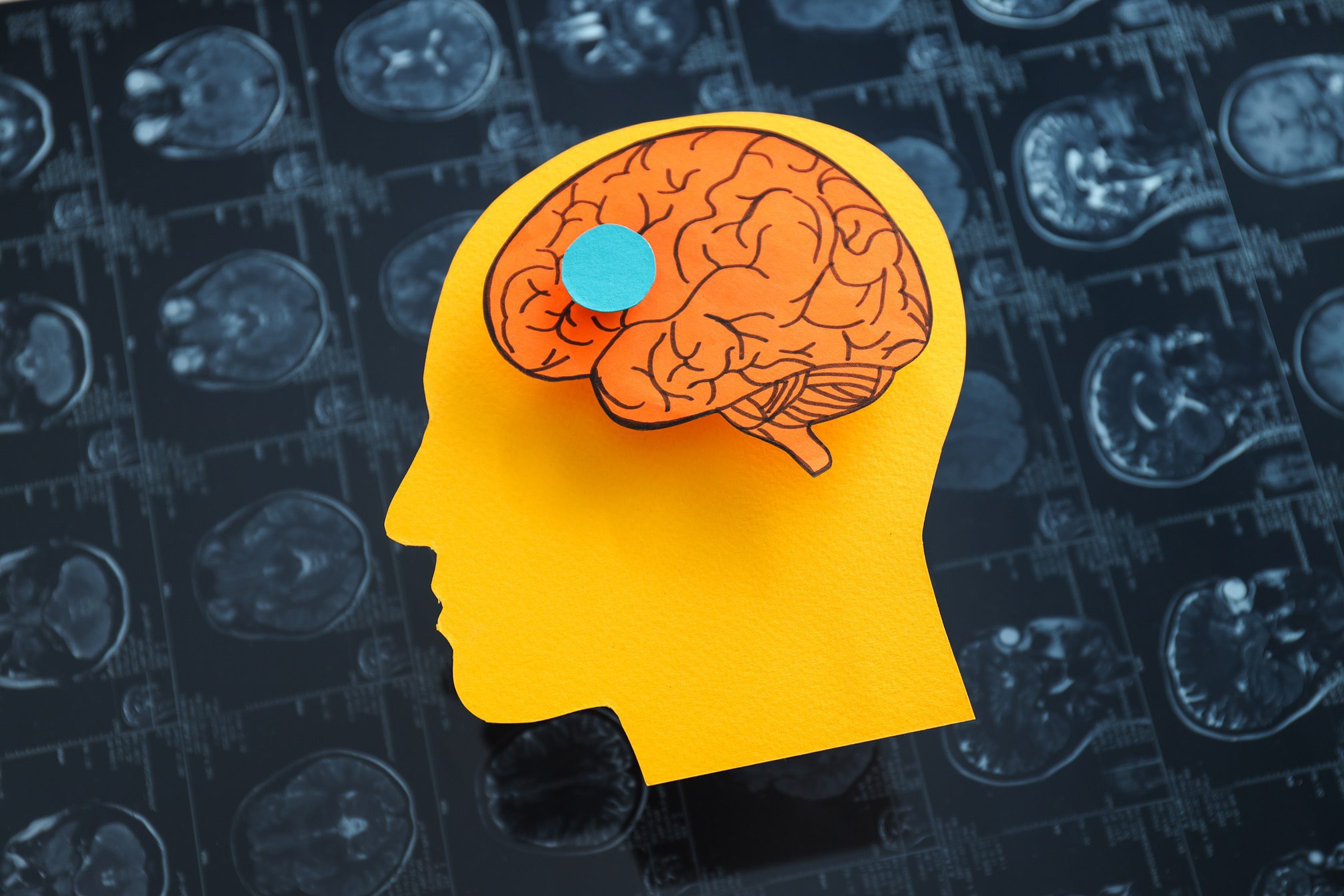

Cytotoxic edema is a specific form of brain swelling that occurs when brain cells, such as neurons and astrocytes, abnormally retain water due to metabolic disruption. This type of edema is a critical complication in stroke, particularly ischemic stroke, and can significantly worsen neuronal damage.
What is cytotoxic edema?

Cytotoxic edema occurs when brain cells swell due to the accumulation of intracellular water. This happens as a result of dysfunction in ion pumps that maintain cellular osmotic balance.
This process is characterized by:
- Intracellular swelling:
- Brain cells absorb water from their surroundings in response to energy failure.
- Metabolic dysfunction:
- The interruption of oxygen and glucose supply impairs cellular metabolism, leading to the failure of sodium-potassium pumps.
- Reduced extracellular volume:
- Water accumulated inside the cells decreases the space between them, increasing pressure within brain tissue.
Cytotoxic edema and its relationship with stroke
In stroke, especially ischemic stroke, cytotoxic edema is one of the brain’s earliest responses to injury.
- Ischemic stroke:
- The lack of oxygen and glucose in the affected area leads to brain cell dysfunction and ion pump failure, resulting in cellular swelling.
- Progression to vasogenic edema:
- If blood flow is not restored in time, cytotoxic edema can progress to vasogenic edema, further worsening brain injury.
- Impact on the ischemic penumbra:
- In areas surrounding the initial injury, cytotoxic edema can extend damage to partially viable tissue.
Causes of cytotoxic edema
In addition to stroke, cytotoxic edema can be triggered by several conditions, such as:
- Traumatic brain injuries: physical trauma that disrupts brain metabolism.
- Hypoxia or anoxia: insufficient oxygen supply to the brain due to drowning, apnea, or other conditions.
- Poisoning: exposure to substances that interfere with cellular pumps.
- Metabolic disorders: disturbances in the brain’s osmotic or energy balance.
- Severe infections: such as encephalitis or meningitis that damage brain cells.
Symptoms of cytotoxic edema
Cytotoxic edema shares symptoms with other forms of cerebral edema, but its onset is closely linked to metabolic damage. Symptoms include:
- Confusion and altered mental status.
- Severe headache.
- Loss of consciousness.
- Motor or sensory impairments.
- Seizures in severe cases.
Diagnosis of cytotoxic edema
La detección temprana del edema citotóxico es crucial para prevenir complicaciones mayores. Las herramientas más utilizadas incluyen:
- Magnetic resonance imaging (MRI):
- Allows differentiation between cytotoxic and vasogenic edema using specific techniques such as diffusion-weighted imaging.
- Computed tomography (CT):
- Detects changes in brain tissue density associated with cellular swelling.
- Clinical evaluations:
- Detailed neurological examination to identify focal signs and changes in the level of consciousness.
Treatment of cytotoxic edema

Management of cytotoxic edema focuses on restoring metabolic balance and preventing secondary damage. Strategies include:
- Reperfusion therapy in ischemic stroke:
- Administration of thrombolytics or mechanical thrombectomy to restore blood flow.
- Intracranial pressure control:
- Use of osmotic agents such as mannitol or hypertonic saline to reduce cellular swelling.
- Neuroprotection:
- Administration of antioxidants or excitotoxicity inhibitors to protect brain cells.
- Oxygen therapy:
- Increase oxygen availability in the brain to improve cellular metabolism.
- Continuous monitoring:
- Monitor intracranial pressure and neurological function to detect early complications.
Prevention of cytotoxic edema
Although cytotoxic edema is not always preventable, certain approaches can reduce the risk:
- Proper control of cardiovascular risk factors such as hypertension and diabetes.
- Immediate treatment of hypoxia or brain trauma.
- Avoid poisoning or exposure to neurotoxins.
- Early interventions at signs of stroke to minimize brain damage.
Conclusion
Cytotoxic edema is a significant clinical challenge, especially in the context of stroke. Early detection and proper management are essential to limit brain damage and improve patient outcomes.
Research continues to develop new neuroprotective strategies and more precise diagnostic methods to address this condition, offering hope for improved management and prevention in the future.
If you would like more information about NeuroAiD II, please fill out this contact form.
"*" indicates required fields


