

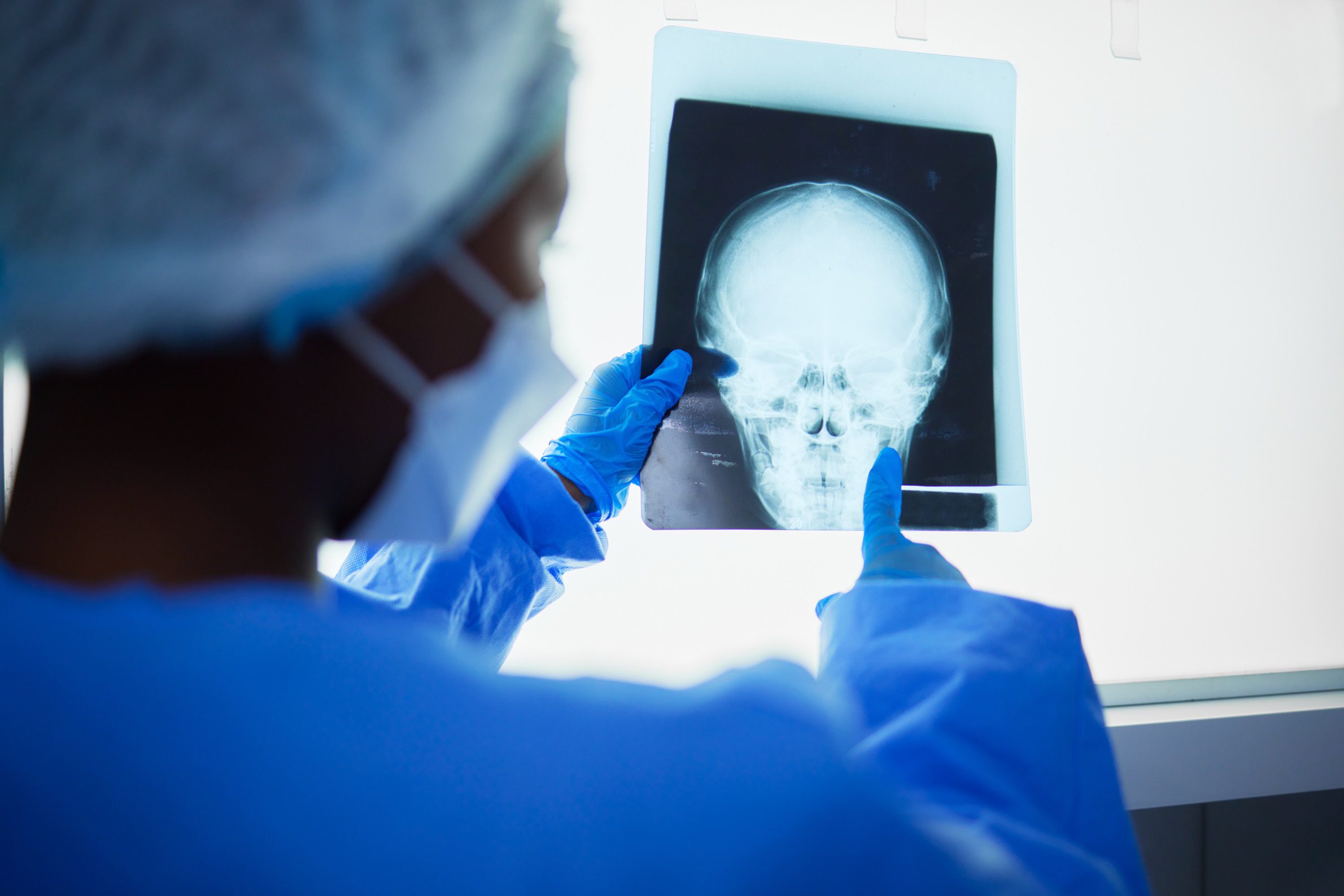

Decompressive hemicraniectomy is a surgical procedure used in critical situations to reduce intracranial pressure caused by a stroke or other severe neurological events. This technique, although drastic, can make the difference between life and death in patients facing severe complications such as massive cerebral edema.
What is decompressive hemicraniectomy?
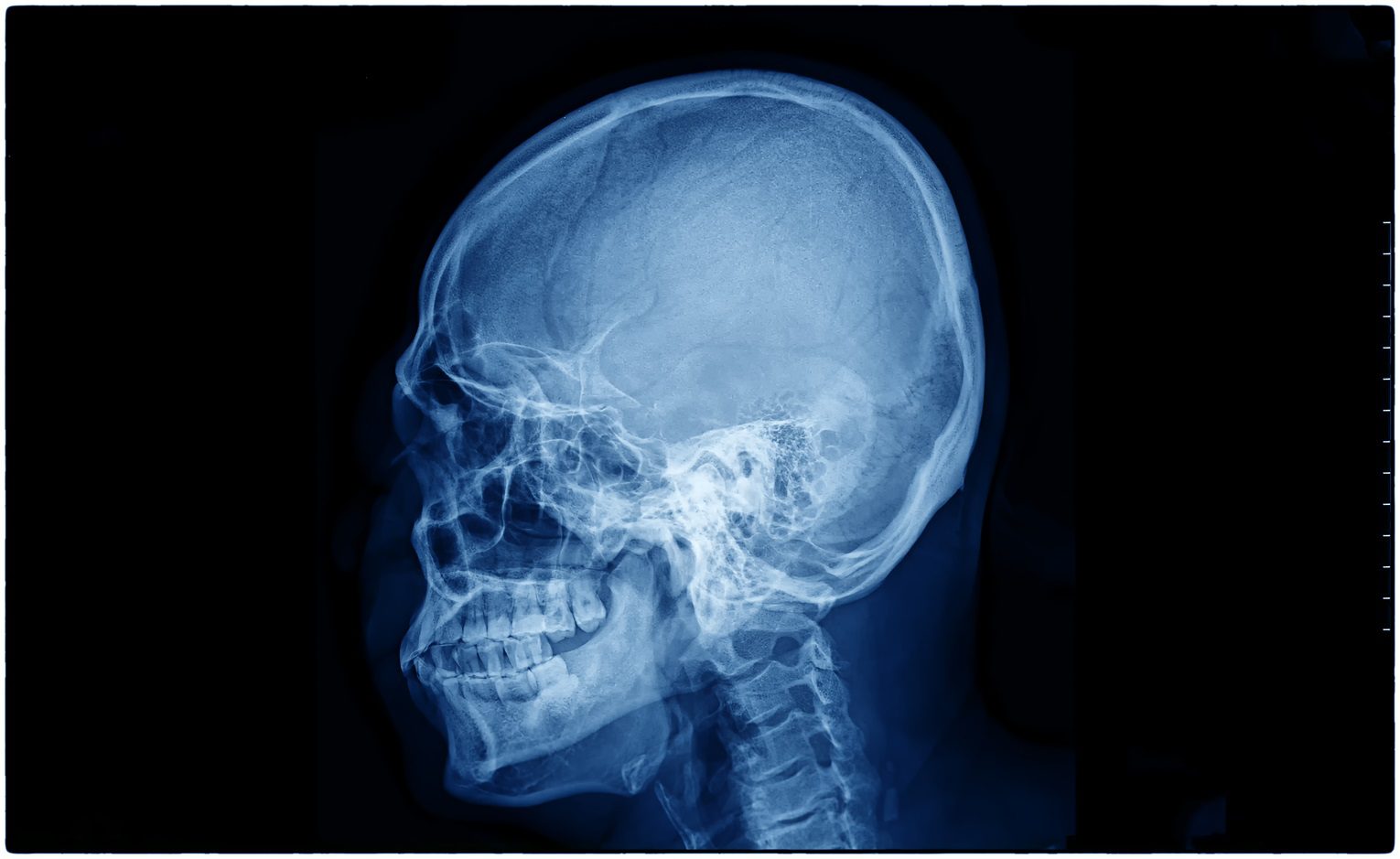
Decompressive hemicraniectomy is a surgical procedure that involves removing a portion of the skull to relieve pressure exerted by the swollen brain. This procedure allows the brain to expand without causing additional damage from compression against the skull, which can prevent severe or fatal neurological consequences.
It is most commonly used in patients with:
- Massive ischemic stroke: particularly when it involves the territory of the middle cerebral artery.
- Intracerebral hemorrhages: causing severe edema.
- Severe traumatic brain injuries.
- Cerebral infections or encephalitis that cause extreme brain swelling.
Main indications in stroke
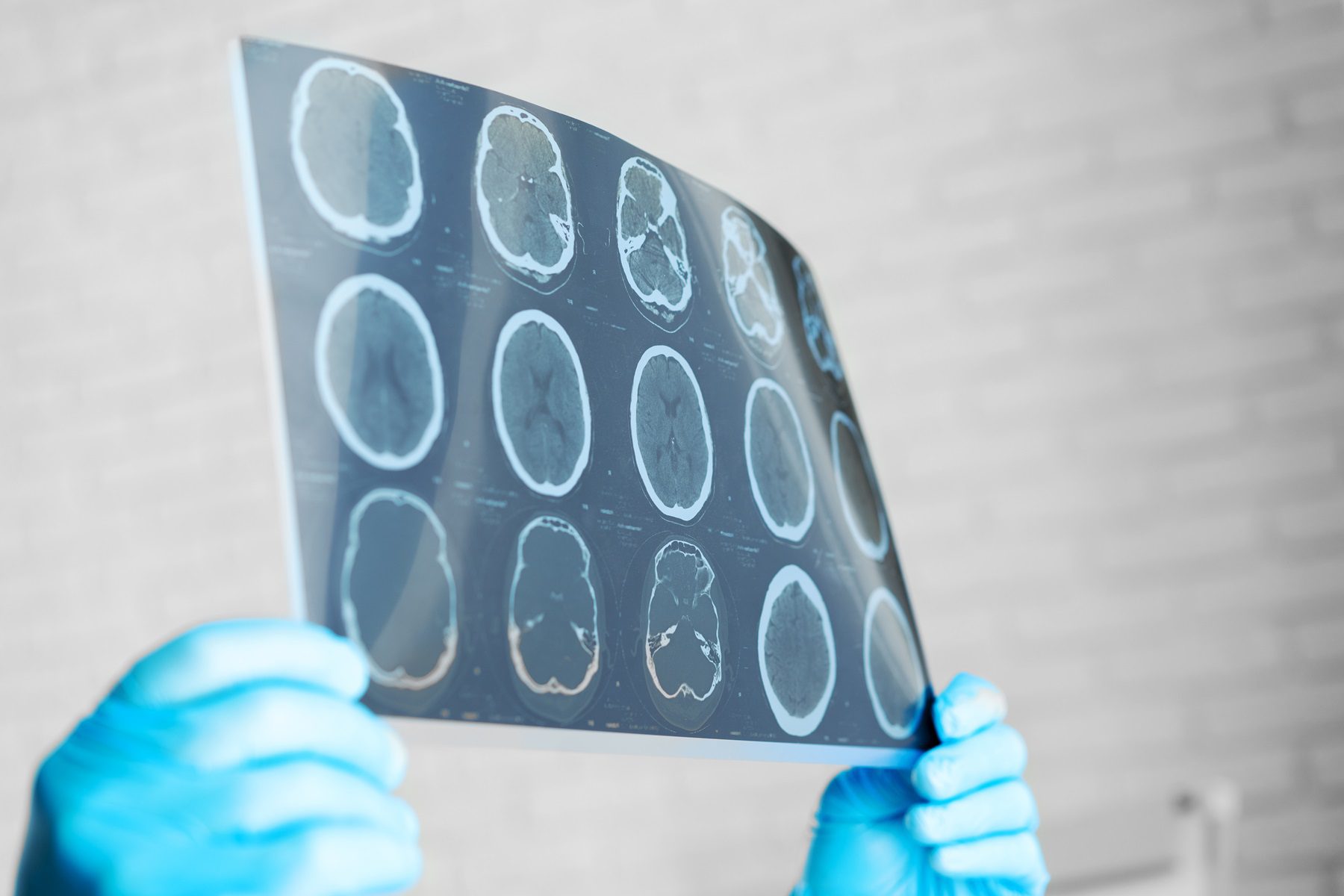
Decompressive hemicraniectomy is considered when other measures, such as medications to reduce cerebral edema (mannitol, hypertonic solutions) or mechanical ventilation, fail to control intracranial pressure.
In the context of a stroke, it is primarily indicated in:
- Severe cerebral edema following an ischemic stroke:
- When blood flow to the brain is interrupted, brain cells begin to die, releasing chemical substances that exacerbate inflammation. This can lead to massive edema that endangers the patient’s life.
- Hemorrhagic stroke:
- Intracerebral bleeding can also cause a rapid increase in intracranial pressure.
Surgical procedure
Decompressive hemicraniectomy is a complex procedure performed by experienced neurosurgeons. The main steps include:
- Surgical incision:
- An incision is made in the scalp to access the skull.
- Removal of the cranial bone:
- A section of the skull is carefully removed to allow the brain to expand.
- Relief of intracranial pressure:
- Accumulated fluid is drained if necessary, and the brain is protected with a specialized membrane.
- Preservation of the cranial bone:
- The removed bone flap is preserved for a future cranioplasty, during which it is reimplanted once the swelling has subsided.
Benefits and risks
Benefits
- Reduces intracranial pressure and prevents further brain damage.
- Increases survival rates in patients with severe cerebral edema.
- Allows stabilization of the patient to initiate additional treatments or rehabilitation.
Risks
- Infections: both at the surgical site and intracranially.
- Hemorrhagic complications: bleeding during or after the procedure.
- Residual neurological damage: although the surgery is life-saving, it does not guarantee full recovery of brain function.
Recovery following decompressive hemicraniectomy
Recovery varies depending on the severity of the initial brain injury and the patient’s response to surgery. Key aspects include:
- Intensive care unit (ICU):
- Patients remain in the ICU after surgery for continuous monitoring of intracranial pressure and other vital functions.
- Rehabilitation therapy:
- Once stabilized, patients begin a rehabilitation program that includes physiotherapy, occupational therapy, and speech therapy to recover lost functions.
- Cranioplasty:
- The removed portion of the skull is reimplanted in a subsequent surgery once the swelling has resolved.
Relationship with stroke prognosis
Decompressive hemicraniectomy can significantly improve the prognosis of patients with severe stroke by preventing further brain damage. However, it is important to note that not all patients who survive this surgery achieve full functional recovery.
Factors such as age, the extent of brain damage, and the timing of the surgery influence outcomes:
- Younger patients: tend to have better functional recovery rates.
- Early intervention: the earlier the surgery is performed, the lower the extent of irreversible brain damage.
- Intensive rehabilitation: can make a significant difference in subsequent quality of life.
Conclusion
Decompressive hemicraniectomy is a critical life-saving procedure in cases of severe cerebral edema caused by stroke. Although it carries risks and does not always guarantee full recovery, timely intervention can prevent catastrophic neurological damage and improve survival outcomes.
Comprehensive management including this surgery, followed by appropriate rehabilitation, is essential to maximize recovery potential and quality of life in patients with severe cerebrovascular complications.
If you would like more information about NeuroAiD II, please fill out this contact form.
"*" indicates required fields


