

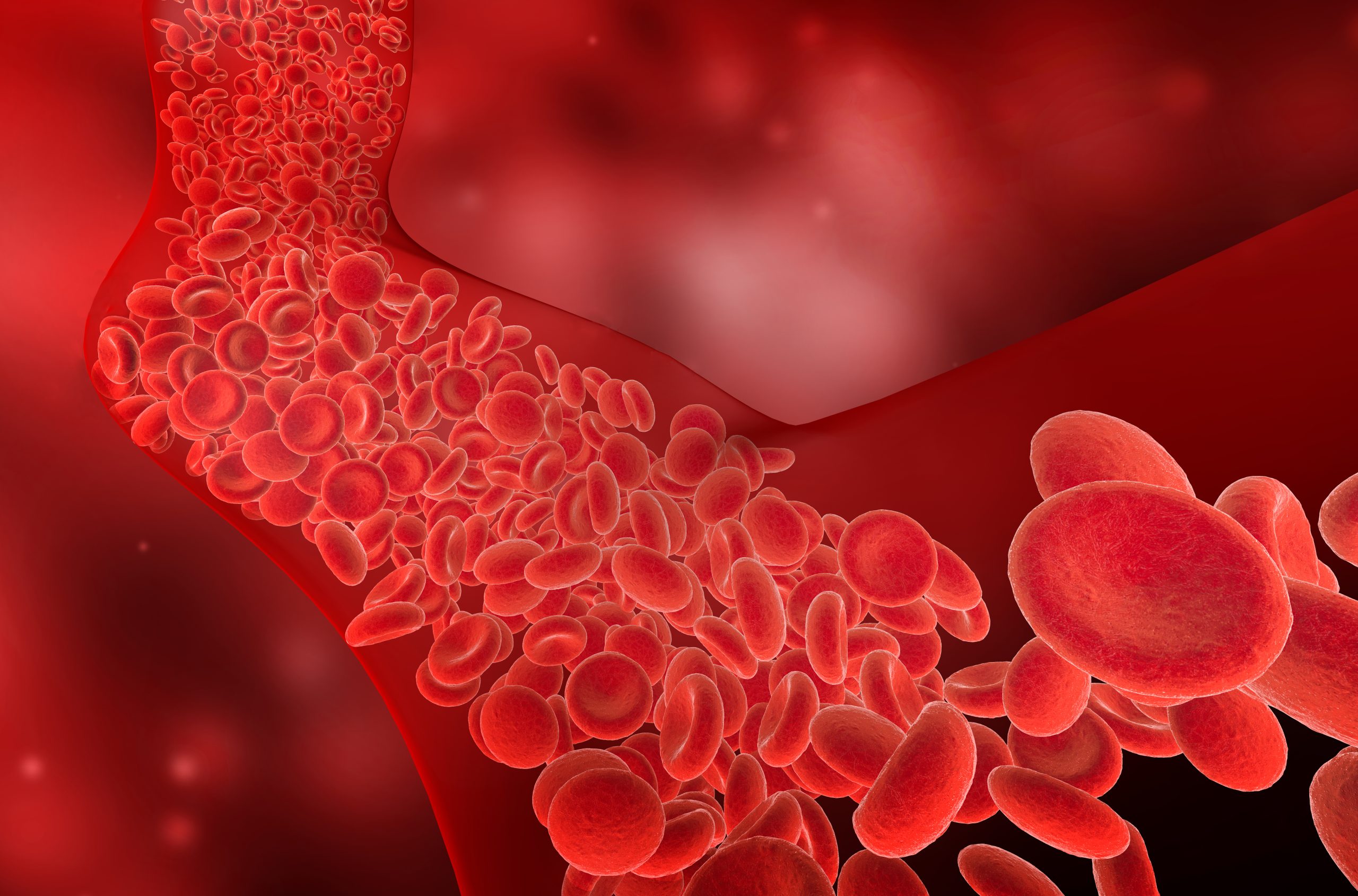

Deep vein thrombosis (DVT) is a medical condition in which blood clots (thrombi) form in the deep veins of the body, usually in the legs. These clots can be dangerous because, if they detach, they can travel through the bloodstream and reach the lungs, causing a pulmonary embolism, a potentially life-threatening condition.
Causes of deep vein thrombosis
Deep vein thrombosis (DVT) can result from various causes and is a serious medical condition involving the formation of blood clots in the deep veins, usually in the lower limbs. The main causes and risk factors associated with this condition include:
- Prolonged immobility: Situations that limit mobility, such as long trips, hospitalizations, or extended periods of bed rest, can promote clot formation due to the lack of muscle activity that normally helps maintain blood flow.
- Recent surgery: Especially orthopedic or gynecological surgical procedures, where physical trauma and altered blood flow can increase the risk of clotting.
- Traumatic injuries: Trauma, fractures, or severe injuries can damage the walls of the veins, triggering coagulation responses.
- Family history: There is a genetic predisposition in some individuals, meaning that if there is a family history of deep vein thrombosis, the risk of developing the condition is higher.
- Underlying medical conditions: Diseases such as cancer, autoimmune disorders, or blood clotting problems can increase the tendency to form clots.
- Use of hormonal contraceptives: Primarily in women, the use of certain hormone-containing contraceptives, such as estrogen, can increase the risk of venous thrombosis.
- Pregnancy and postpartum: Hormonal changes and increased pressure on the veins during pregnancy, as well as childbirth, can elevate the risk of deep vein thrombosis.
- Inflammatory diseases: Inflammatory disorders, such as rheumatoid arthritis, can also contribute to clot formation.
It is crucial to recognize these risk factors and adopt preventive measures, especially in individuals with multiple factors present. In case of any concerns or symptoms, it is essential to seek evaluation and guidance from a healthcare professional.
Symptoms
The symptoms of deep vein thrombosis (DVT) can vary in intensity, and in some cases, the condition may occur without obvious symptoms. However, some of the most common signs and symptoms include:
- Swelling: One of the most prominent symptoms is swelling, usually in one leg. This swelling can be significant and may affect the entire limb.
- Pain or tenderness: The affected individual may experience persistent pain or tenderness in the affected leg. This pain is often described as a cramping sensation or a dull ache that may worsen when putting weight on the leg.
- Redness or warmth: The area around the clot may become red and feel warmer to the touch due to inflammation.
- Change in skin color: The skin over the affected area may take on a reddish or bluish tone.
- Tight and shiny skin: The skin over the leg may feel tight and appear shiny due to fluid buildup and swelling.
It is important to note that these symptoms can vary in intensity and that some individuals may not experience all of them. Additionally, in some cases, the symptoms of deep vein thrombosis can be mistaken for other medical conditions, such as a muscle injury or circulatory problems.

In more severe situations, if a clot detaches and travels to the lungs, it can cause a pulmonary embolism, which may present symptoms such as shortness of breath, chest pain, and in some cases, can be life-threatening.
If any of these symptoms are present, especially if several occur simultaneously, it is essential to seek immediate medical attention to receive an accurate diagnosis and begin the necessary treatment.
Diagnosis
The diagnosis of deep vein thrombosis (DVT) involves clinical evaluation, laboratory tests, and often imaging studies. The following are the most common methods used to diagnose DVT:
- Medical history and physical examination:
- The physician gathers information about the patient’s symptoms, risk factors, and medical history.
- A physical examination is performed to assess the presence of swelling, pain, redness, or other signs associated with deep vein thrombosis.
- Laboratory tests:
- D-dimer: A blood test is performed to measure D-dimer levels, a breakdown product of blood clots. Elevated levels may indicate the presence of clots, but this test is not specific and can produce false positives under various conditions.
- Imaging tests:
- Doppler ultrasound: This is the most commonly used test to confirm the presence of a clot. An ultrasound device is used to visualize blood flow and detect obstructions in the veins.
- Magnetic resonance venography (MRV) or computed tomography (CT): These more advanced imaging tests can provide detailed images of the veins and detect the presence of clots.
- Venous ultrasound:
- It is used to assess blood flow and detect the presence of clots, especially in the deeper veins.
- Venous impedance plethysmography:
- It measures changes in leg volume and can be useful in the evaluation of deep vein thrombosis.
The combination of these methods helps confirm the diagnosis and determine the location, size, and severity of the clots. It is essential to seek medical attention when deep vein thrombosis is suspected, as early diagnosis and treatment are crucial to preventing serious complications such as pulmonary embolism. Only a healthcare professional can make an accurate diagnosis and recommend the appropriate treatment plan based on the individual needs of the patient.
Treatment of deep vein thrombosis
The primary goals in the treatment of deep vein thrombosis (DVT) are to prevent the clot from spreading, reduce the risk of complications, and prevent recurrence. Treatment options may vary depending on the severity of the condition and the patient’s overall health. The main treatment strategies are described below:
- Anticoagulants (anticoagulation):
- Heparin and oral anticoagulants: These are used to prevent the formation of new clots and reduce the size of existing ones. Heparin is initially administered intravenously or subcutaneously, followed by oral anticoagulants such as warfarin or direct oral anticoagulants (DOACs).
- Compression therapy:
- The use of graduated compression stockings helps reduce swelling and improve blood flow in the legs. These stockings apply gradual pressure from the ankle up to the knee or thigh.
- Leg elevation:
- Raising the affected leg above heart level can help reduce swelling and improve blood flow.
- Inferior vena cava filters:
- In specific cases, when anticoagulation is not possible or not sufficient, the placement of an inferior vena cava filter may be considered. This device is implanted in the inferior vena cava to trap clots before they reach the lungs.
- Fibrinolytic therapy:
- In emergency situations, fibrinolytic therapy may be used to rapidly dissolve clots. However, this approach is reserved for severe cases due to the risk of bleeding.
- Medical follow-up:
- The patient usually requires regular medical follow-up to adjust the dosage of anticoagulants and assess the response to treatment. It is essential to attend medical appointments and undergo follow-up testing.
- Early mobilization:
- Initiating mobilization as soon as possible after diagnosis is essential to prevent recurrence and reduce the risk of long-term complications.
It is important to emphasize that treatment must be tailored to the individual needs of each patient, and only a healthcare professional can determine the most appropriate treatment plan. Additionally, any changes in symptoms during treatment should be reported to the physician immediately. The duration of anticoagulant therapy varies depending on the individual risk of recurrence and complications.

Prevention
The prevention of deep vein thrombosis (DVT) is essential, especially in individuals with known risk factors. Here are some preventive measures that can help reduce the likelihood of developing DVT:
- Regular mobilization:
- Avoid prolonged immobility. If you are on a long trip, try to stand up and move around every few hours.
- Regular exercise:
- Maintaining an active lifestyle promotes healthy blood circulation. Including physical activities such as walking, swimming, or exercising regularly can be beneficial.
- Hydration:
- Staying well hydrated is essential, especially during long flights or in situations that may lead to dehydration.
- Position changes:
- If you work in an office or perform activities that require sitting for extended periods, change your position regularly and stretch your legs frequently.
- Use of compression stockings:
- In high-risk situations, such as during a long flight or after surgery, the use of graduated compression stockings can help prevent swelling and improve circulation.
- Maintaining a healthy weight:
- Maintaining a healthy weight helps reduce the risk of deep vein thrombosis.
- Avoid tobacco and reduce alcohol consumption:
- Tobacco use and excessive alcohol consumption can increase the risk of deep vein thrombosis. Quitting smoking and moderating alcohol intake are beneficial measures for vascular health.
- Awareness of risk factors:
- It is important to be aware of personal and family risk factors, such as a history of deep vein thrombosis, in order to take additional preventive measures if necessary.
- Follow medical recommendations:
- If risk factors have been identified, it is essential to follow the recommendations and treatments prescribed by the healthcare professional.
- Use of anticoagulants in high-risk situations:
- In some cases, especially after major surgeries or in individuals at high risk, the physician may prescribe temporary anticoagulants to prevent clot formation.
It is crucial to discuss the most appropriate preventive measures for your specific situation with a healthcare professional. Prevention and awareness of risk factors are essential to reducing the incidence of deep vein thrombosis and preventing serious complications.
If you would like more information about NeuroAiD II, please fill out this contact form.
"*" indicates required fields


