


Spastic dystonia is a particular form of dystonia, a neuromuscular disorder characterized by involuntary and sustained muscle contractions that cause abnormal movements or postures. Although dystonia can affect different parts of the body, spastic dystonia is distinguished by the presence of muscle stiffness and spasticity. In this section, we will explore various aspects of this condition, from its symptoms and causes to the available treatment options.
Symptoms of Spastic Dystonia
Los síntomas de la distonía espástica varían según la ubicación y la gravedad de las contracciones musculares anormales. Algunas de las características comunes incluyen:

- Contracciones musculares sostenidas: A diferencia de los espasmos musculares temporales, las contracciones en la distonía espástica son sostenidas, lo que lleva a posturas o movimientos anormales que pueden interferir con las actividades diarias.
- Espasticidad muscular: La rigidez excesiva de los músculos es una característica distintiva, lo que lleva a la dificultad en el movimiento de las articulaciones afectadas.
- Dolor: La espasticidad y las posturas anormales pueden provocar dolor, afectando la calidad de vida de quienes padecen esta condición.
- Posiciones inusuales: Las personas con distonía espástica pueden adoptar posiciones inusuales debido a las contracciones musculares, lo que a menudo conduce a problemas de movilidad y coordinación.
Causes and Risk Factors
Spastic dystonia can have various causes, and in some cases, the etiology may not be fully understood. Some of the associated factors include:
- Genetics:Some forms of spastic dystonia have a genetic component. Certain genes have been identified that may increase the risk of developing the condition.
- Injuries or Trauma:Brain injuries or trauma can trigger spastic dystonia in some cases.
- Neurological Issues:Dysfunctions in the central nervous system, especially in regions that control movement, can contribute to the development of dystonia.
Diagnosis and Evaluation
Diagnosing spastic dystonia often involves a thorough process that may include:
- Medical History:The physician will review the patient’s medical history, paying special attention to the symptoms and their progression.
- Physical Examination:A physical examination will be conducted to assess muscle spasticity, range of motion, and the presence of abnormal postures.
- Neurological Tests:Neurological studies, such as MRI scans, can help rule out other conditions and provide information about possible brain lesions.
- Genetic Testing:In cases where a genetic component is suspected, genetic tests may be conducted to identify possible mutations associated with spastic dystonia.
Treatment of Spastic Dystonia
The treatment of spastic dystonia is multifaceted and may include:
- Terapia física: La terapia física puede ayudar a mejorar la fuerza, la flexibilidad y la coordinación muscular, aliviando algunos de los síntomas.
- Medicamentos: Algunos medicamentos, como relajantes musculares o antiespasmódicos, pueden ayudar a reducir la espasticidad y mejorar el control muscular.
- Toxina Botulínica (Botox): La inyección de toxina botulínica en los músculos afectados puede proporcionar alivio temporal al bloquear las señales nerviosas que causan las contracciones musculares.
- Cirugía: En casos graves o resistentes al tratamiento conservador, la cirugía puede ser considerada para corregir anormalidades musculares o nerviosas.
Quality of Life and Support
La distonía espástica puede tener un impacto significativo en la calidad de vida de quienes la padecen. La comprensión de la condición, el apoyo emocional y el acceso a recursos adecuados son fundamentales. La participación en grupos de apoyo y la conexión con organizaciones dedicadas pueden ser beneficiosas tanto para los pacientes como para sus familias.

Conclusion
Spastic dystonia is a complex neuromuscular disorder that presents challenges both for those affected and for healthcare professionals. Understanding the symptoms, causes, and treatment options is essential for providing effective management of this condition. Ongoing research and advances in neurology may eventually offer new insights and more effective treatments to improve the quality of life of those affected by spastic dystonia.
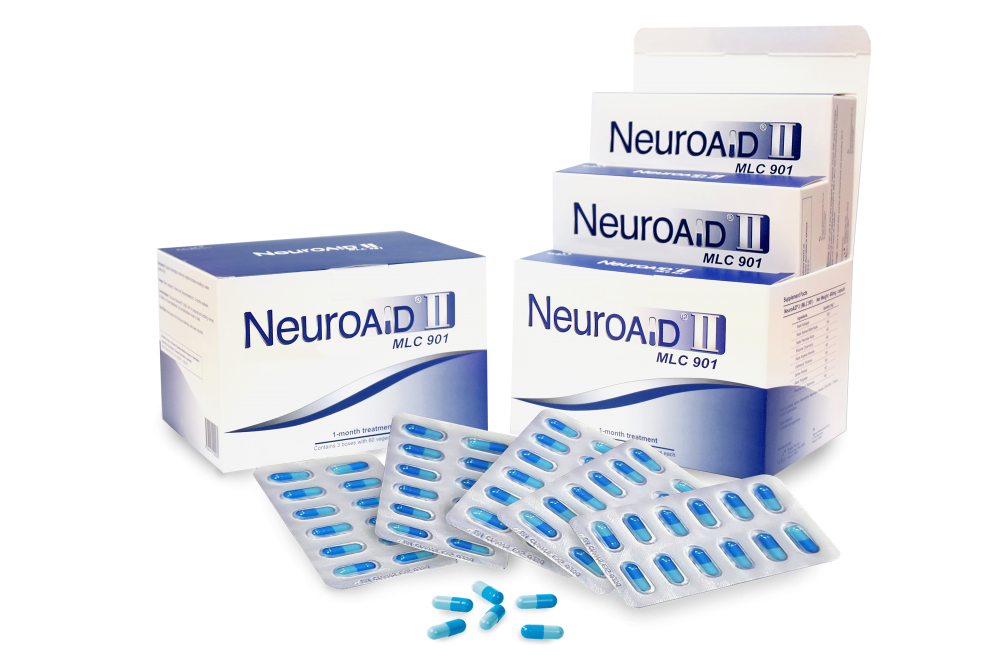
If you need information about NeuroAiD II, you can fill out this contact form.
"*" indicates required fields


