

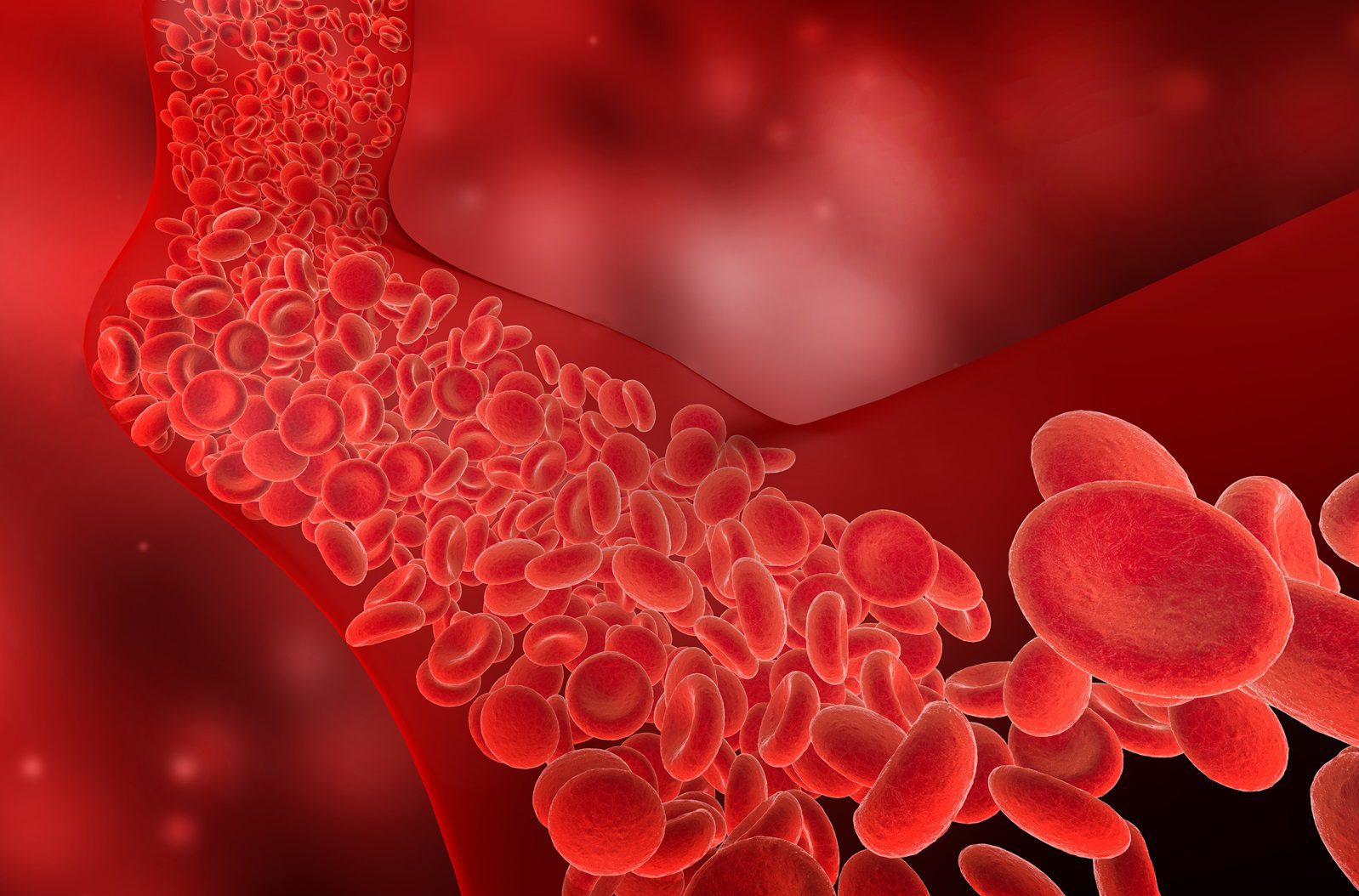

The embolus and the thrombus are two medical terms related to blood clot formation, playing a key role in many cardiovascular diseases, including one of the most severe: stroke. Although often confused, embolus and thrombus have distinct characteristics and consequences, yet both can severely impact blood flow and overall health.

What is a thrombus?
A thrombus is a blood clot that forms within a blood vessel or in the heart. This clot can partially or completely block blood flow at its site of origin.
The process of thrombus formation, known as thrombosis, is typically a response by the body to injury in the blood vessel wall. However, when this response becomes unregulated, it can lead to serious conditions such as:
- Arterial thrombosis: the thrombus forms in an artery and may cause a myocardial infarction or an ischemic stroke.
- Deep vein thrombosis (DVT): the thrombus develops in a deep vein, usually in the legs, and may detach and become an embolus.
What is an embolus?
An embolus is any substance (including blood clots, fat fragments, air bubbles, or even tumor tissues) that travels through the bloodstream and blocks a vessel at a location different from where it originated.
When a thrombus detaches and travels through the bloodstream, it becomes an embolus. This phenomenon, known as embolism, can be extremely dangerous because the embolus may obstruct arteries in vital organs such as the brain, lungs, or heart.
Key differences between embolus and thrombus
Although closely related, there are important differences between embolus and thrombus:
| Characteristic | Thrombus | Embolus |
|---|---|---|
| Definition | Clot that forms and remains at the site of origin | Substance that travels through the bloodstream and blocks a vessel |
| Movement | Does not move from its original location | Moves from its site of origin |
| Consequence | Bloquea el flujo sanguíneo en el sitio donde se formó | Obstructs blood flow at a distant site |
| Clinical example | Deep vein thrombosis | Pulmonary embolism, cerebral embolism |
Causes and risk factors
The formation of thrombi and emboli can result from various medical conditions and risk factors. The main causes include:
- Vascular wall injuries: damage to arteries or veins can trigger thrombus formation as a defense mechanism of the body.
- Altered blood flow: slow or turbulent flow, as seen in atrial fibrillation, increases the risk of thrombosis.
- Hypercoagulability: certain conditions such as cancer, genetic disorders, or pregnancy increase the tendency to form clots.
- Lifestyle: prolonged inactivity, smoking, obesity, and an unhealthy diet are also significant contributing factors.
Relationship between thrombi, emboli, and strokes
Embolus and thrombus are common causes of ischemic stroke, which accounts for approximately 87% of all stroke cases. The primary mechanism is the disruption of blood flow to the brain, depriving brain cells of oxygen and essential nutrients, leading to irreversible damage.
- Cerebral thrombosis: a thrombus that forms directly in a brain artery can block blood flow, resulting in an ischemic stroke.
- Cerebral embolism: an embolus traveling from another part of the body, such as the heart (in cases of atrial fibrillation) or the carotid arteries, can obstruct a cerebral artery and trigger a stroke.
The severity of the stroke depends on the artery that is blocked and the time elapsed before treatment is received.
Diagnosis of thrombi and emboli

Early diagnosis is essential to prevent serious complications such as stroke. Some of the most common tests include:
- Doppler ultrasound: useful for detecting deep vein thrombosis or blockages in major arteries.
- Computed tomography (CT) and magnetic resonance imaging (MRI): help identify emboli in organs such as the brain or lungs.
- Angiography: allows visualization of blood vessels and localization of the thrombus or embolus.
- Electrocardiogram (ECG): useful for identifying arrhythmias that may predispose to embolus formation, such as atrial fibrillation.
Treatment and prevention
The treatment of embolus and thrombus varies depending on their location, size, and associated complications.
- Anticoagulants: medications such as warfarin or thrombin inhibitors are used to prevent the formation of new clots.
- Thrombolytic therapy: involves the use of medications that dissolve thrombi, such as alteplase, especially in cases of acute ischemic stroke.
- Surgical procedures: in some cases, it may be necessary to surgically remove the thrombus or embolus through thrombectomy or embolectomy.
- Lifestyle changes: maintaining a healthy weight, engaging in regular physical activity, and avoiding smoking are key measures to prevent clot formation.
Stroke prevention in patients with thrombi or emboli
Stroke prevention in patients at risk of thrombosis or embolism focuses on:
- Use of anticoagulants in patients with atrial fibrillation or other risk factors.
- Strict control of risk factors such as hypertension, diabetes, and high cholesterol.
- Preventive procedures, such as placement of a vena cava filter in patients with recurrent deep vein thrombosis.
Conclusion
Embolus and thrombus are responsible for a significant number of serious health problems, including stroke. Understanding their differences and the factors that trigger them is essential to prevent severe complications.
Early diagnosis and timely treatment are essential to reduce the risk of stroke and other related complications. Consulting a specialist and following medical recommendations can make a significant difference in the patient’s quality of life.
If you would like more information about NeuroAiD II, please fill out this contact form.
"*" indicates required fields


