

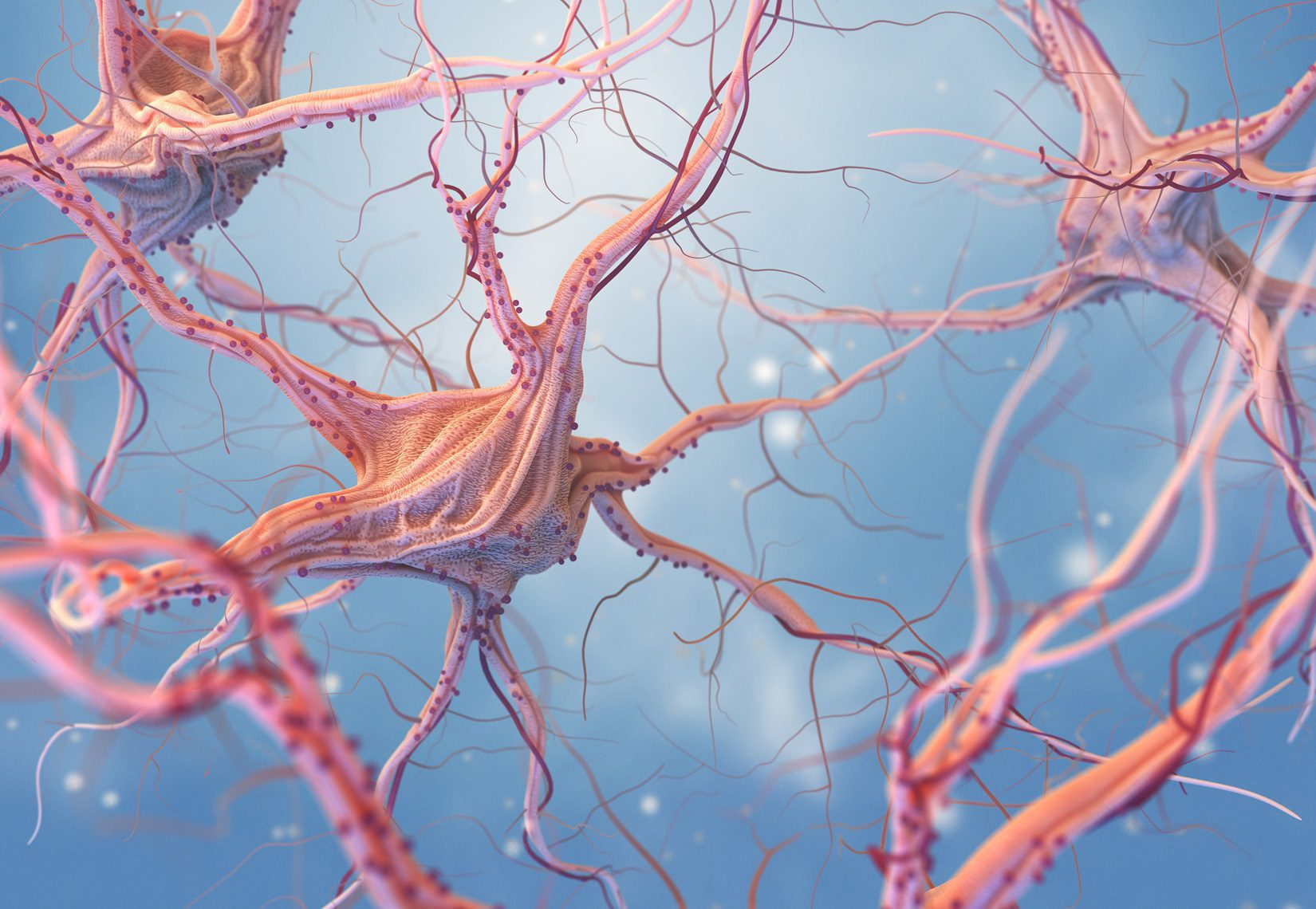

Demyelinating disease is a neurological disorder that affects myelin, the substance that surrounds and protects nerve fibers in both the central and peripheral nervous systems. The destruction or damage of myelin interferes with the ability of nerves to transmit electrical signals efficiently, leading to a wide range of neurological symptoms. These conditions include multiple sclerosis, neuromyelitis optica, and Guillain-Barré syndrome, among others.
What is a Demyelinating Disease?
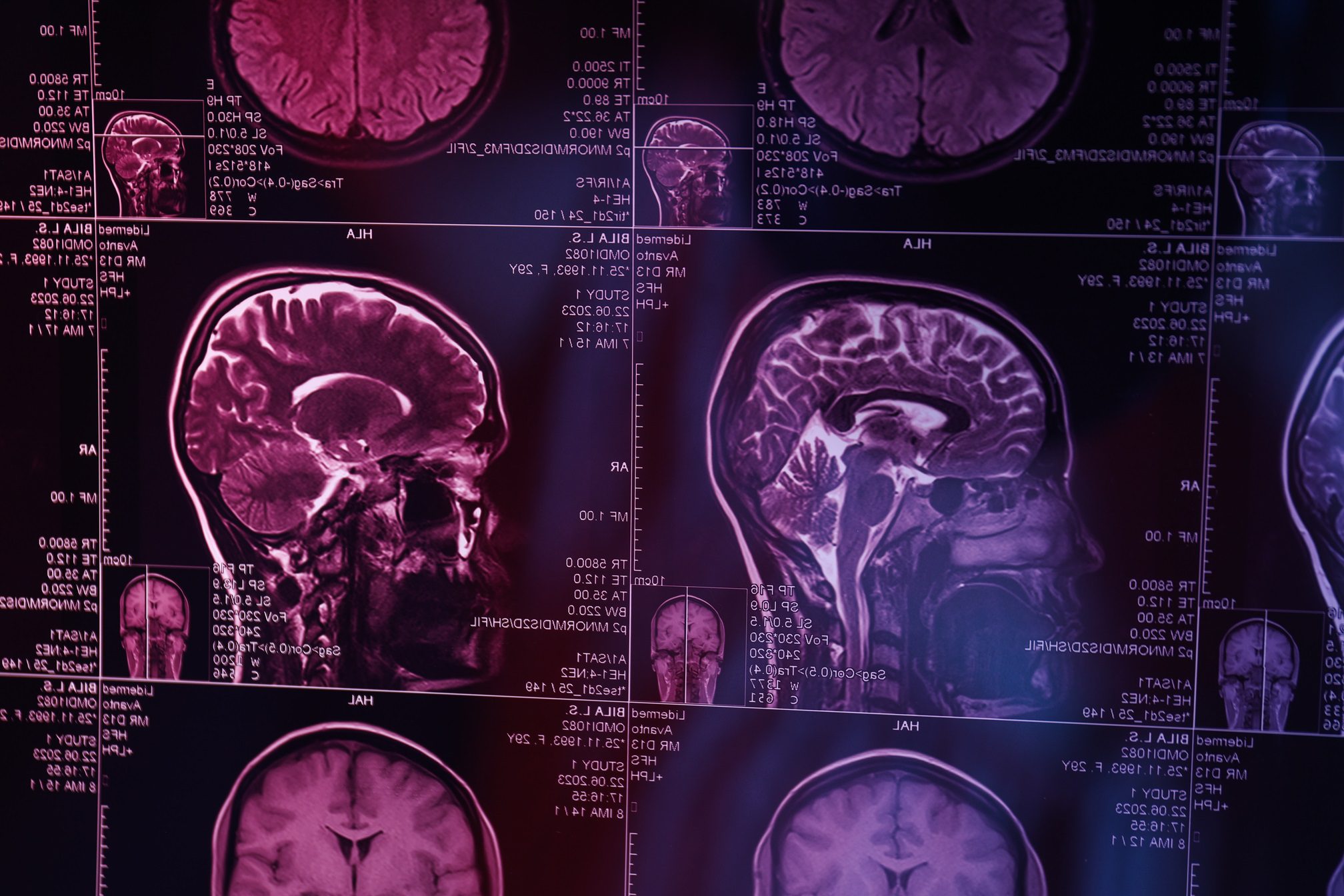
A demyelinating disease is a disorder in which the immune system or a pathological process targets myelin, the protective sheath surrounding neuronal axons. Myelin enables rapid transmission of electrical signals between nerve cells. When myelin is damaged, these signals are slowed or disrupted, leading to neurological symptoms such as muscle weakness, impaired coordination, blurred vision, and cognitive dysfunction.
Among the most common demyelinating diseases are:
- Multiple sclerosis (MS): It is the most well-known demyelinating disorder, primarily affecting the central nervous system (brain and spinal cord). MS is an autoimmune disease in which the body mistakenly attacks its own myelin, causing inflammation and neurological damage.
- Neuromyelitis optica (NMO): A disorder that primarily affects the optic nerves and spinal cord, causing inflammation and vision loss.
- Guillain-Barré syndrome: An autoimmune disorder that affects the peripheral nervous system, damaging myelin in nerves outside the brain and spinal cord, resulting in muscle weakness and temporary paralysis.
Causes of Demyelinating Disease
The exact causes of many demyelinating diseases are not fully understood, although several factors appear to be involved:
- Autoimmune factors: In many demyelinating diseases, the immune system mistakenly attacks myelin, as seen in multiple sclerosis and Guillain-Barré syndrome. In these cases, the dysregulated immune response is believed to misidentify myelin as a threat and target it for destruction.
- Genetic factors: Some individuals have been observed to have a genetic predisposition to developing demyelinating diseases. Although these conditions are not directly inherited, certain genes may increase susceptibility to triggering an abnormal immune response following exposure to environmental factors.
- Environmental factors: Exposure to certain viruses, infections, or toxins may also trigger demyelinating diseases. For example, some studies suggest that viral infections such as Epstein-Barr virus may be associated with the development of multiple sclerosis.
- Vitamin D deficiency: Research suggests that low levels of vitamin D may be associated with an increased risk of developing multiple sclerosis, particularly in individuals living at higher latitudes with reduced sun exposure.
Symptoms of Demyelinating Disease
Symptoms of demyelinating diseases vary depending on the part of the nervous system affected and the severity of myelin damage. The most common symptoms include:
- Muscle weakness: Loss of myelin can impair the transmission of motor signals, resulting in muscle weakness in different parts of the body.
- Coordination impairment: Patients may experience difficulties maintaining balance, walking, or performing tasks that require coordination.
- Vision loss: In conditions such as neuromyelitis optica, the optic nerves are affected, leading to blurred vision or even temporary blindness in severe cases.
- Numbness and tingling: Demyelinating disorders can disrupt sensory signaling, resulting in tingling sensations or loss of sensitivity in the extremities.
- Cognitive impairment: Some individuals with multiple sclerosis may develop difficulties with memory, concentration, or information processing.
- Fatigue: Chronic fatigue is a common symptom in many demyelinating diseases, due to the increased burden on the nervous system to compensate for myelin damage.
Diagnosis of Demyelinating Disease
The diagnosis of a demyelinating disease can be complex due to the wide range of symptoms, which may present similarly to other conditions. Physicians typically use a combination of tests to confirm a diagnosis, including:
- Magnetic resonance imaging (MRI): This is the most commonly used tool to detect demyelinating lesions in the brain and spinal cord. MRI scans can reveal areas where myelin has been damaged.
- Lumbar puncture: In some cases, a sample of cerebrospinal fluid is collected to detect the presence of abnormal proteins or antibodies that may indicate an autoimmune condition such as multiple sclerosis.
- Neurophysiological testing: Evoked potential studies measure the speed at which electrical impulses travel along the nerves. Delayed conduction may indicate the presence of demyelinating damage.
- Blood tests: Blood analyses can help rule out other conditions, such as infections or genetic disorders, and may sometimes detect specific immunological markers.
Treatment of Demyelinating Disease
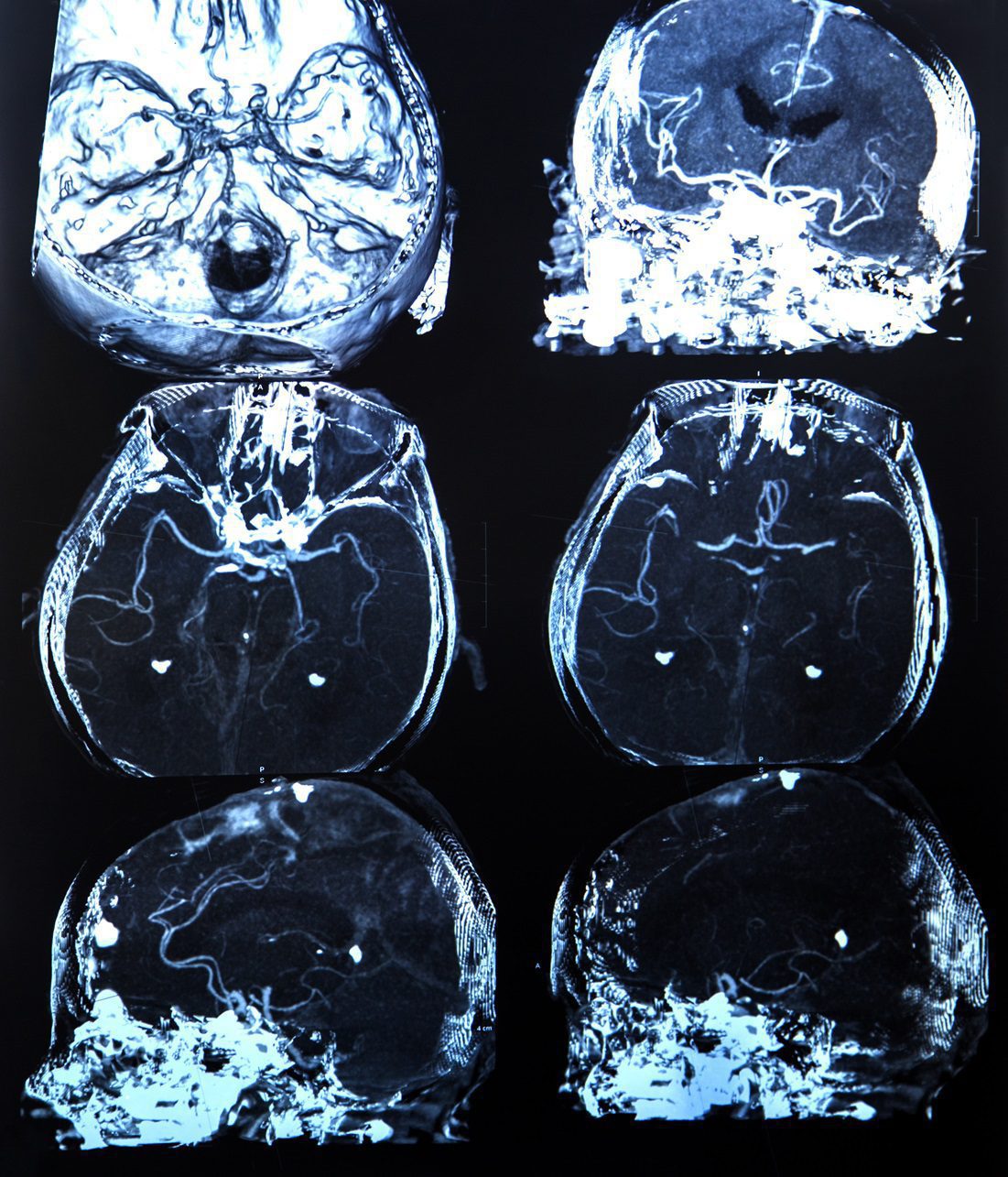
The treatment of demyelinating diseases depends on the specific type of disorder, the severity of symptoms, and the progression of the disease. Common therapeutic options include:
- Immunosuppressive therapies: These medications, such as corticosteroids, are used to reduce inflammation and modulate immune system activity. They are commonly used in autoimmune conditions such as multiple sclerosis to prevent immune-mediated attacks on myelin.
- Immunomodulatory therapies: In conditions such as multiple sclerosis, immunomodulatory agents can help reduce the frequency and severity of relapses by modulating the immune response.
- Plasmapheresis: In severe cases, such as Guillain-Barré syndrome, plasmapheresis is used to remove harmful antibodies from the blood plasma.
- Physical therapy and rehabilitation: Individuals who have experienced loss of motor function or coordination difficulties may benefit from physical therapy to improve mobility and strength.
- Emerging therapies: Recent research has explored biological treatments and regenerative approaches, such as stem cell therapy, which may help promote myelin regeneration and improve neural function.
Prognosis and Quality of Life
The prognosis for individuals with demyelinating diseases varies significantly depending on the specific disorder and how quickly treatment is initiated. Some patients, particularly those with multiple sclerosis, may experience long periods of remission between disease relapses, while others may have a more rapidly progressive course.
Early treatment and a comprehensive approach that includes pharmacological therapy, rehabilitation, and emotional support can significantly improve patients’ quality of life. Ongoing research into these conditions is providing new hope for more effective treatments and, potentially, future cures.
Conclusion
Demyelinating diseases represent a significant challenge in neurological medicine due to the complexity of their symptoms and underlying mechanisms. However, advances in diagnosis and treatment have enabled many patients to lead more functional and fulfilling lives. As medical research continues to progress, more innovative therapies are expected to emerge that not only address symptoms but also promote myelin regeneration and prevent long-term neurological damage.
If you would like more information about NeuroAiD II, please fill out this contact form.
"*" indicates required fields


