

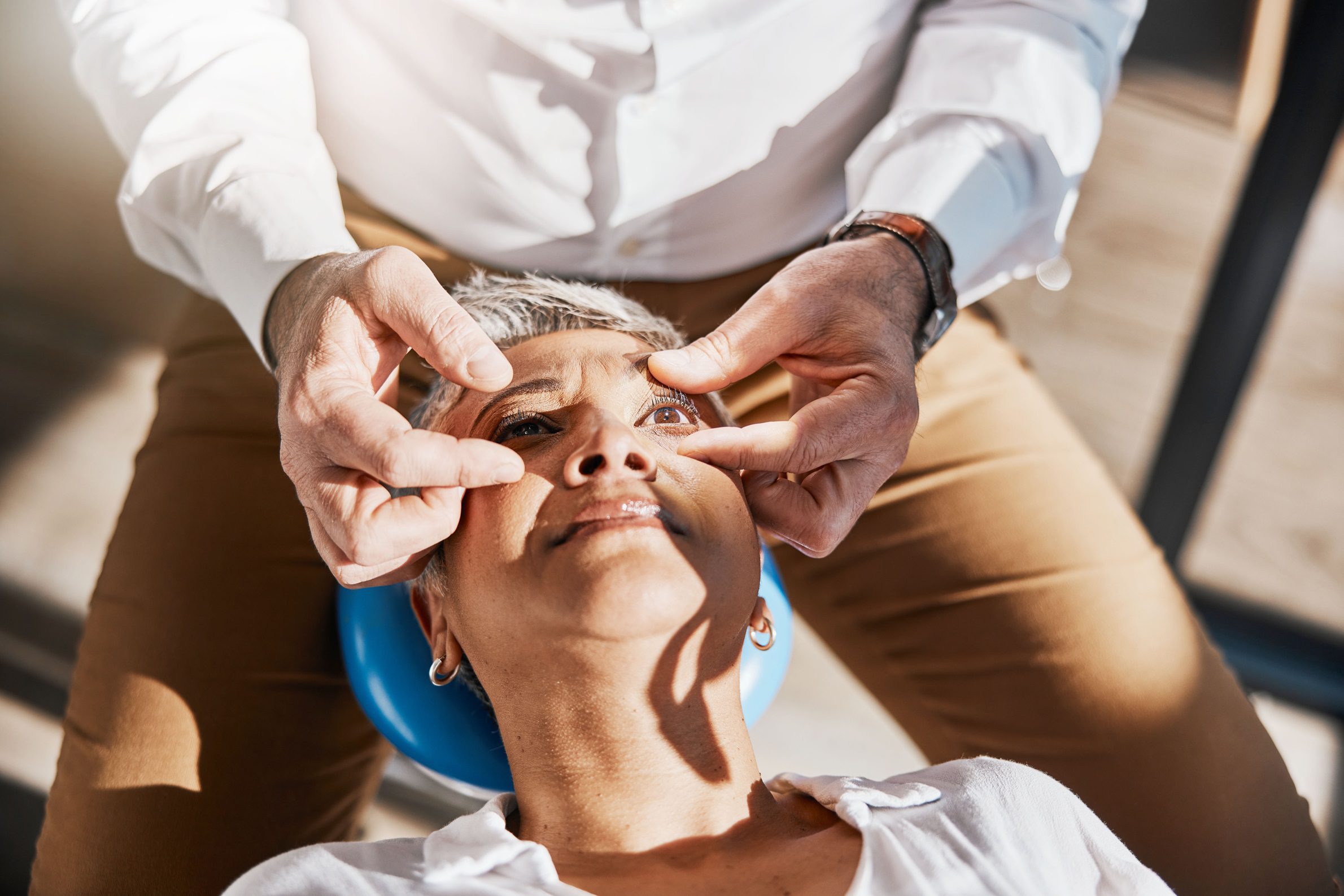

Facial paralysis is a condition that involves the loss of muscle control on one or both sides of the face. This problem can be caused by various conditions, with one of the most serious being a stroke. In this article, we will explore the relationship between facial paralysis and strokes, including their causes, symptoms, and treatment options.
What is facial paralysis?
Facial paralysis is a condition in which the muscles of the face lose their ability to move, causing partial or complete weakness or immobility on one or both sides of the face. The paralysis may appear suddenly or gradually, depending on the underlying cause. One of the main causes of sudden facial paralysis is stroke, making this condition a warning sign of potential brain damage.
Facial paralysis related to stroke usually presents as weakness on one side of the face, reflecting damage to the part of the brain responsible for muscle control in that area. Recognizing this symptom is crucial for seeking immediate medical attention and minimizing brain damage.
Relationship between facial paralysis and stroke
To better understand how they are related, it is essential to know that a stroke occurs when the blood supply to the brain is interrupted, either due to a blockage in a blood vessel (ischemic stroke) or the rupture of a vessel (hemorrhagic stroke). Facial paralysis is a common symptom, especially in the context of an ischemic stroke.
The brain controls all bodily functions, and when a stroke affects the areas responsible for facial control, it can lead to sudden facial paralysis. Weakness on one side of the face is one of the most visible signs of a stroke and is often accompanied by other symptoms such as difficulty speaking, numbness, or weakness in an arm or leg.
Recognizing facial paralysis related to a stroke is essential, as time is a critical factor in starting appropriate treatment and reducing the risk of serious complications.
Causes of facial paralysis
In addition to strokes, there are other causes that can lead to facial paralysis. These include:
- Bell’s palsy: This is the most common form of facial paralysis not related to stroke. It is a temporary condition that affects the facial nerves, and although the exact cause is unknown, it is believed to be associated with viral infections.
- Infections: Certain infections, such as Lyme disease or herpes zoster, can affect the facial nerves and cause paralysis.
- Brain tumors: Although less common, the presence of a tumor in the brain can press on the nerves that control facial muscles and cause facial paralysis.
- Head injuries: Trauma or a blow to the head can damage the facial nerves or the areas of the brain that control these nerves, leading to paralysis.
However, when referring to facial paralysis in the context of strokes, the underlying cause is always an interruption in the blood flow to the brain.
Symptoms of facial paralysis in the context of a stroke
One of the most common signs of a stroke is the sudden onset of facial paralysis. Recognizing this and other related symptoms is key to taking quick action. Symptoms include:
- Weakness or paralysis on one side of the face: The person may have difficulty smiling, closing the eyes, or moving the mouth on the affected side.
- Drooping of the corner of the mouth: A characteristic sign of a stroke causing facial paralysis is the visible drooping of one side of the mouth.
- Difficulty speaking or swallowing: The paralysis can make it hard to articulate words or to ingest food and liquids.
- Loss of facial expression: Affected individuals may lose the ability to show emotions through facial gestures.
- Facial numbness: In addition to paralysis, the affected side of the face may feel numb or lack sensitivity.
If these symptoms are observed along with other signs of stroke, such as arm weakness or vision problems, it is crucial to seek immediate medical attention.

Treatment for facial paralysis caused by a stroke focuses on restoring blood flow to the brain and minimizing brain damage. The treatment options depend on the type of stroke and the severity of the paralysis. Common treatments include:
1.Treatment of ischemic stroke
When facial paralysis is caused by an ischemic stroke, the main goal is to dissolve the clot that is blocking blood flow to the brain. Treatments may include:
- Intravenous thrombolysis: A medication called alteplase is administered to dissolve the clot. This treatment is most effective when given within the first few hours after symptom onset.
- Mechanical thrombectomy: A procedure in which a catheter is inserted to directly remove the clot from the blocked blood vessel.
2. Treatment of hemorrhagic stroke
In the case of a hemorrhagic stroke, where facial paralysis is caused by bleeding in the brain, treatment includes:
- Surgery: To stop the bleeding and repair the damaged blood vessels
- Blood pressure control: Medications are used to stabilize blood pressure and reduce the risk of further bleeding.
3. Rehabilitation
After treating the stroke, many people with facial paralysis require rehabilitation to regain facial mobility. Physical therapy, occupational therapy, and speech therapy are key components in the patient’s recovery.

Facial physical therapy may include exercises to improve muscle tone and mobility in the muscles affected by the paralysis.
Prevention of stroke and facial paralysis
Preventing the risk factors associated with strokes also helps reduce the likelihood of developing facial paralysis. Some preventive measures include:
- Managing blood pressure: Hypertension is a major risk factor for strokes, so keeping blood pressure under control is crucial.
- Quitting smoking: Smoking damages blood vessels and increases the risk of strokes and other conditions that can lead to facial paralysis.
- Maintaining a healthy diet and exercising: Leading a healthy lifestyle is key to reducing the risk of developing factors that contribute to strokes.
- Proper treatment of diabetes and high cholesterol: These conditions increase the risk of stroke, which can trigger facial paralysis.
Conclusion
Facial paralysis can be an alarming and devastating symptom, especially when it is related to a stroke. Recognizing the signs of a stroke and acting quickly can make the difference between full recovery and permanent disability. It is crucial to understand how strokes can cause facial paralysis and how timely treatment can significantly improve outcomes for patients. In addition, preventive measures such as blood pressure control and a healthy lifestyle are essential to reduce the risk of stroke and its complications.
In summary, facial paralysis is one of the key symptoms of stroke, and its early identification is vital to seek immediate treatment and prevent serious brain damage.
If you would like more information about NeuroAiD II, please fill out this contact form.
"*" indicates required fields


