
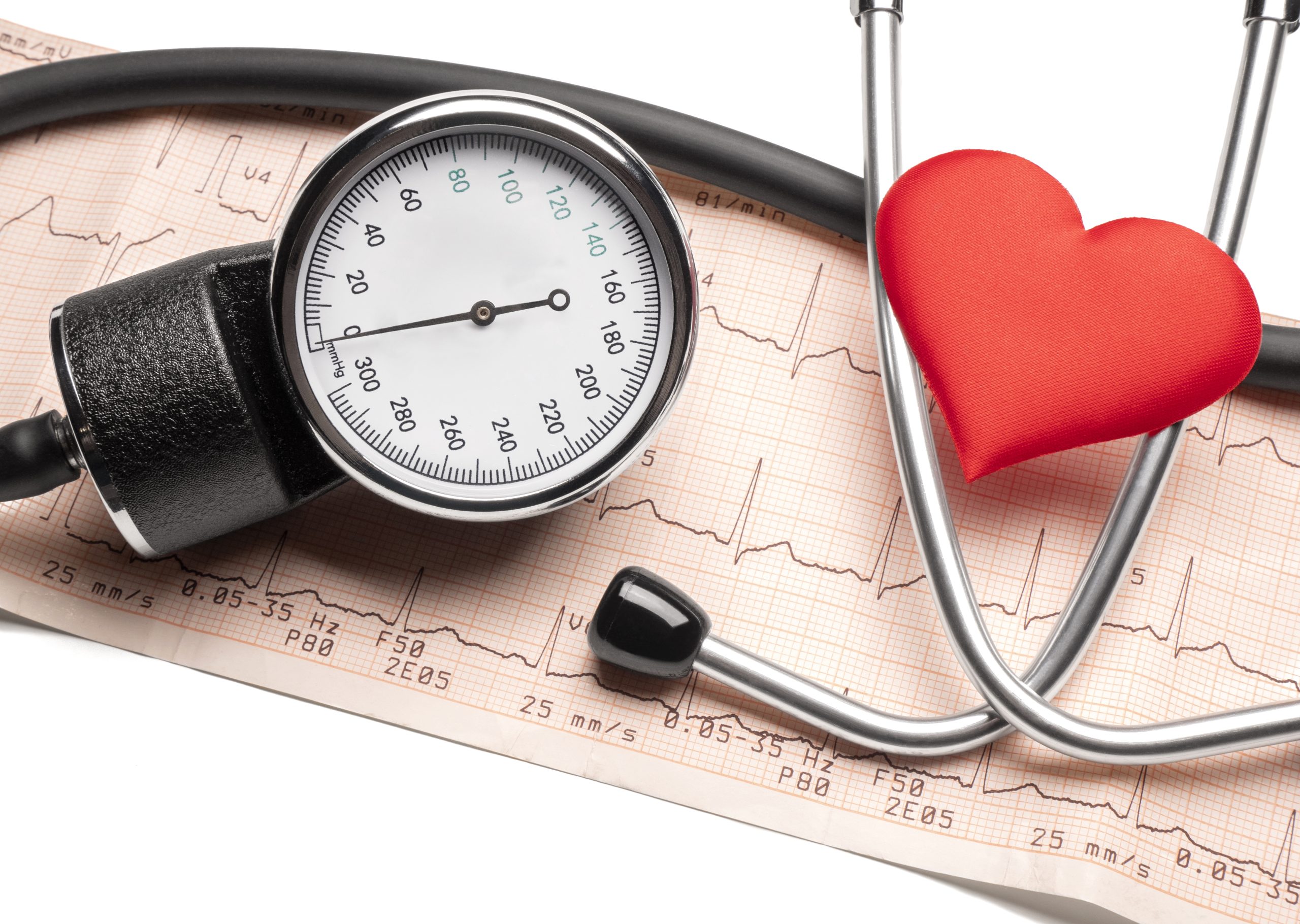

High blood pressure, often referred to as the “silent killer,” is a significant risk factor for strokes. In this introduction, we will explore the close connection between elevated blood pressure and cerebrovascular events, highlighting the importance of addressing this risk to preserve brain health.
Presentation of the risk
High blood pressure will be described as a condition in which the force exerted by the blood against the artery walls is consistently elevated. This sustained increase in blood pressure places an additional strain on the blood vessels, contributing to vascular damage.
Importance of addressing high blood pressure
The importance of addressing high blood pressure as a preventable and controllable risk factor will be emphasized. The central idea is that by effectively managing blood pressure, the risk of suffering a stroke can be significantly reduced.
Link between high blood pressure and stroke
High blood pressure becomes a critical risk factor for strokes due to its direct impact on blood vessel health. Let’s delve into how elevated blood pressure contributes to the occurrence of strokes and why it is vital to address this risk proactively.
High blood pressure as a damaging agent
Constantly elevated pressure damages the delicate walls of the arteries. This chronic stress can lead to the formation of fatty deposits (plaques) in the arteries, narrowing the space through which blood flows to the brain.
Direct impact on the brain’s blood vessels
Las arterias que suministran sangre al cerebro son especialmente susceptibles a los efectos perjudiciales de la hipertensión arterial. El aumento de la presión puede debilitar las paredes de estos vasos, predisponiéndolos a la formación de aneurismas o a la ruptura, lo que puede resultar en un ACV hemorrágico.

Inflammatory and oxidative processes triggered by high blood pressure
Elevated blood pressure triggers inflammatory responses and oxidative processes in the vascular system. These processes can accelerate the buildup of atherosclerotic plaques and increase arterial stiffness, further contributing to the risk of stroke.
Importance of high blood pressure as a modifiable factor
The good news is that high blood pressure is a modifiable risk factor. Controlling blood pressure through lifestyle changes and, if necessary, medication can make a significant difference in reducing the risk of stroke.
In summary, high blood pressure is not just a number on a monitor but a main player in the story of strokes. By understanding how it directly affects blood vessels and contributes to conditions that lead to strokes, we can better appreciate the need to address high blood pressure effectively.
Strategies to control high blood pressure
Effective management of high blood pressure plays a crucial role in preventing strokes. Below are evidence-based strategies that aim not only to maintain healthy blood pressure but also to significantly reduce the risk of cerebrovascular events.
Healthy lifestyle
Adopt a balanced, low-sodium diet:
A balanced diet rich in fruits, vegetables, whole grains, and low in sodium can help control blood pressure. Reducing the consumption of processed and high-sodium foods is essential for maintaining optimal cardiovascular health.
Incorporate regular physical activity into your daily routine
Regular exercise not only strengthens the cardiovascular system but also helps maintain a healthy body weight and lowers blood pressure. Activities such as walking, swimming, or cycling are excellent options to promote heart health.
Manage stress with relaxation techniques
Effective stress management is essential. Techniques such as meditation, yoga, or deep breathing exercises can help lower blood pressure and improve mental health, contributing to stroke prevention.
Antihypertensive medication
Use antihypertensive medication as directed by your healthcare professional
When lifestyle measures are not enough, antihypertensive medications may be prescribed by healthcare professionals. These medications help control blood pressure and reduce the risk of complications, including strokes.
Follow medical instructions strictly:
Strict adherence to medical instructions is crucial to ensure the effectiveness of antihypertensive medications. They should be taken as prescribed, and any concerns or side effects should be communicated to the healthcare professional.
Regular blood pressure monitoring
Perform regular blood pressure measurements:
Regular self-monitoring of blood pressure at home is a valuable tool for detecting early changes. Home blood pressure measuring devices are accessible and easy to use.
Keep a personal record for timely adjustments:
Keeping a personal record of blood pressure readings allows for continuous monitoring. Any significant changes can be discussed with the healthcare professional to adjust the treatment plan as needed.
These strategies, when implemented consistently, not only help maintain healthy blood pressure but also play a crucial role in preventing strokes associated with high blood pressure. Adopting a comprehensive approach that includes lifestyle changes and, when necessary, medical interventions is essential for long-term cardiovascular health.
Consequences of uncontrolled high blood pressure
Failure to control high blood pressure not only increases the pressure in the arteries but also significantly amplifies the risk of suffering a stroke. Understanding the consequences of uncontrolled hypertension is essential to motivate the adoption of preventive measures. Below are the risks associated with uncontrolled high blood pressure and its close relationship with strokes.
Sustained vascular damage
Elevated blood pressure exerts constant pressure on the artery walls, contributing to vascular damage over time. This damage can manifest as the formation of atherosclerotic plaques, narrowing the blood vessels and increasing the likelihood of clots—key factors that predispose to strokes.
Increased vulnerability of the brain’s blood vessels
The blood vessels that supply the brain are especially susceptible to the impact of uncontrolled high blood pressure. Capillary fragility increases, raising the risk of cerebral hemorrhages and the possibility of aneurysm formation, both of which can trigger strokes.
Cardiovascular complications
Uncontrolled high blood pressure also contributes to the development of cardiovascular complications, such as heart failure. The added strain on the heart to pump blood against elevated blood pressure can weaken the heart muscle, increasing the risk of cardiovascular events, including strokes.
Increased susceptibility to cerebrovascular events
The direct connection between uncontrolled high blood pressure and strokes is undeniable. Elevated blood pressure creates an environment conducive to the formation of blood clots and increases the likelihood of vascular ruptures, events that represent the main causes of strokes.

Impact on quality of life
We should not overlook the significant impact on quality of life that can result from a stroke. The aftereffects may include physical, cognitive, and emotional disabilities, affecting autonomy and overall well-being.
Understanding the serious consequences of uncontrolled high blood pressure reinforces the importance of addressing this risk factor effectively. Preventing and controlling high blood pressure not only preserves overall cardiovascular health but also plays a fundamental role in reducing the risks associated with strokes. Adopting preventive strategies and seeking proper control are essential steps to safeguard brain health in the long term.
Conclusion
In this overview of the relationship between high blood pressure and strokes, it is clear that effective blood pressure control is essential to preserve both brain and overall health. Uncontrolled hypertension not only exerts a destructive force on the blood vessels but also significantly increases the risk of cerebrovascular events that can have lasting consequences.
Adopting a healthy lifestyle, including a balanced diet, regular exercise, and stress management, stands as the first line of defense. The addition of antihypertensive medication, when necessary, along with regular blood pressure monitoring, completes a comprehensive approach to keeping blood pressure at optimal levels.
Uncontrolled high blood pressure not only affects the numbers on a monitor but also directly impacts quality of life and increases vulnerability to cerebrovascular events. With a clear understanding of the consequences and proactive action, we can not only reduce the risk of stroke but also significantly improve overall cardiovascular health. Safeguarding brain health begins with rigorous blood pressure control, a fundamental step toward a full and healthy life.
If you would like more information about NeuroAiD II, please fill out this contact form.
"*" indicates required fields


