

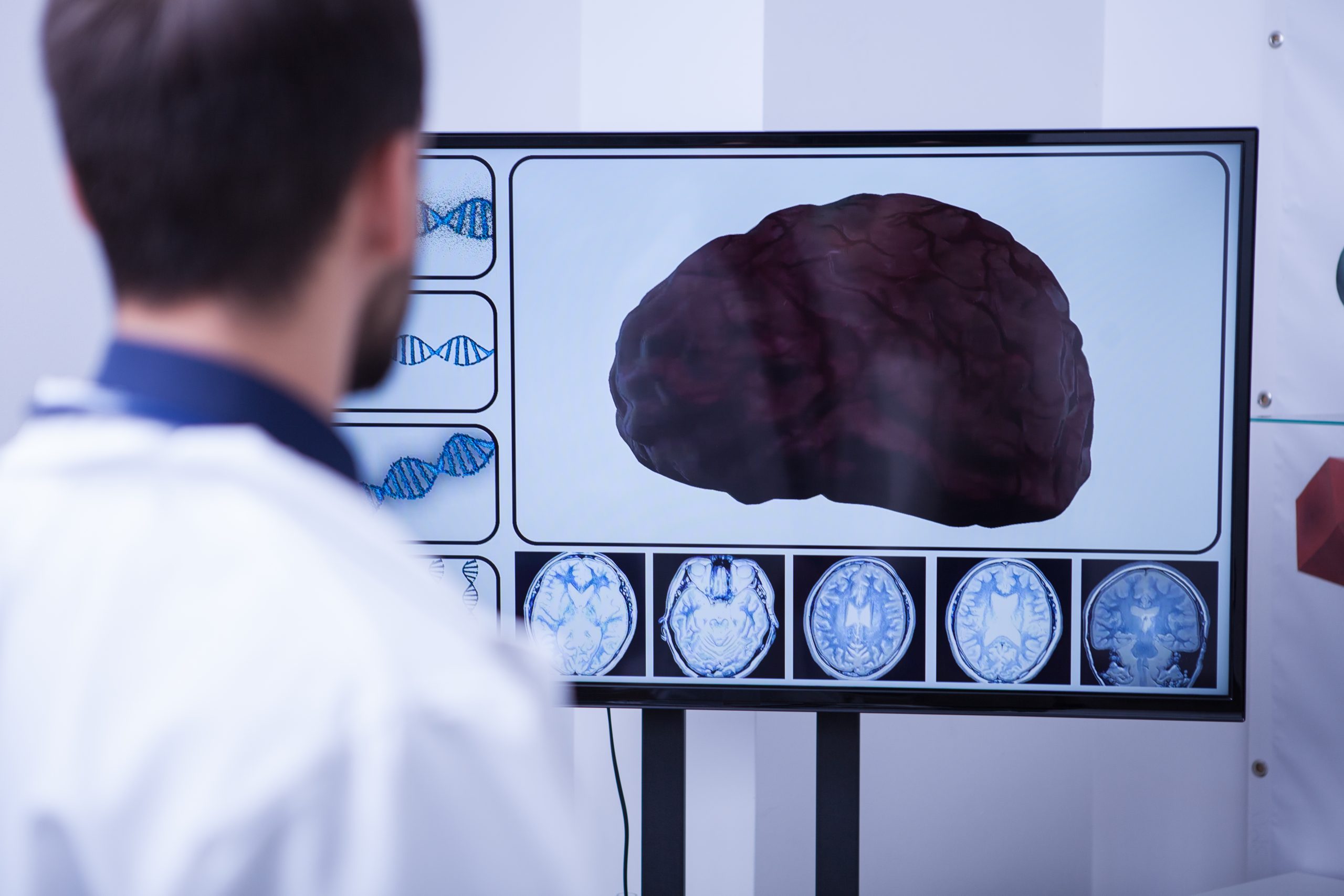

Cerebral hypoxia is a serious medical condition that occurs when the brain does not receive enough oxygen to function properly. In this article, we will explore in detail what cerebral hypoxia is, its underlying causes, associated symptoms, available treatments, and preventive measures that can be taken.

What is cerebral hypoxia?
Cerebral hypoxia is a condition in which the brain does not receive enough oxygen to function properly. The brain requires a constant supply of oxygen to maintain its normal functioning, as it is a highly oxygen-dependent organ.
Causes of cerebral hypoxia
There are multiple causes that can trigger cerebral hypoxia. In this section, we will explore different scenarios such as lack of oxygen in the air, underlying medical conditions, traumatic injuries, and complications during childbirth. We will analyze each cause in detail and how it affects the brain’s oxygen supply.
Stroke
Strokes, such as ischemic or hemorrhagic strokes, can cause cerebral hypoxia. These events can obstruct blood flow to the brain, depriving it of oxygen and essential nutrients.
Respiratory failure
Respiratory failure, whether acute or chronic, can lead to cerebral hypoxia. Conditions such as acute respiratory distress syndrome (ARDS), chronic obstructive pulmonary disease (COPD), or pulmonary edema can interfere with proper blood oxygenation and, therefore, affect the brain’s oxygen supply.
Symptoms of cerebral hypoxia
Cerebral hypoxia can manifest through a variety of symptoms. In this section, we will describe the most common signs and symptoms associated with cerebral hypoxia, such as dizziness, confusion, difficulty speaking, changes in vision, and seizures. Recognizing these symptoms is essential for early and appropriate intervention.
Difficulty breathing
Difficulty breathing, the sensation of shortness of breath, or rapid and shallow breathing can be indicative of cerebral hypoxia. This occurs because the body tries to compensate for the lack of oxygen by increasing the respiratory rate.
Changes in mental status
Cerebral hypoxia can affect cognitive function and cause changes in mental status. Affected adults may experience confusion, disorientation, difficulty concentrating, or memory loss.
Treatments for cerebral hypoxia
Timely and effective treatment is essential to minimize the damage caused by cerebral hypoxia. In this section, we will explore different therapeutic approaches such as supplemental oxygen administration, hyperbaric oxygen therapy, neurological rehabilitation, and other complementary treatments. We will also highlight the importance of supportive care and multidisciplinary attention.

Prevention of cerebral hypoxia
Prevention is essential to avoid cerebral hypoxia as much as possible. Here, we will discuss strategies and preventive measures such as maintaining a safe environment, practicing water safety, managing underlying medical conditions, and receiving proper prenatal care. We will also emphasize the importance of education and public awareness about cerebral hypoxia.
Conclusions
In summary, cerebral hypoxia is a serious medical condition that requires immediate attention. In this article, we have explored the causes, symptoms, treatments, and preventive measures associated with cerebral hypoxia. Let us remember that early detection, accurate diagnosis, and appropriate treatment play a crucial role in managing this condition. If you suspect that you or someone you know is experiencing cerebral hypoxia, seek medical attention immediately.
If you would like more information about NeuroAiD II, please fill out this contact form.
"*" indicates required fields


