
Knowing how to recover from a stroke is essential to improving the patient’s quality of life. Stroke is one of the leading causes of disability worldwide. It occurs when blood flow to the brain is interrupted, either by a clot (ischemic) or by the rupture of a blood vessel (hemorrhagic). After such an episode, recovery is a critical process that requires time, effort, and an appropriate rehabilitation plan.
Stages of recovery after a stroke

1. Acute phase: the first few days
The first stage in the process of how to recover from a stroke takes place in the hospital. Here, healthcare professionals stabilize the patient and determine the type of stroke that occurred. During this phase, treatments are provided to minimize brain damage and prevent complications.
- Monitoring and control of vital signs.
- Medication to prevent future episodes.
- Neurological assessments and imaging tests.
2. Early rehabilitation: the first few weeks
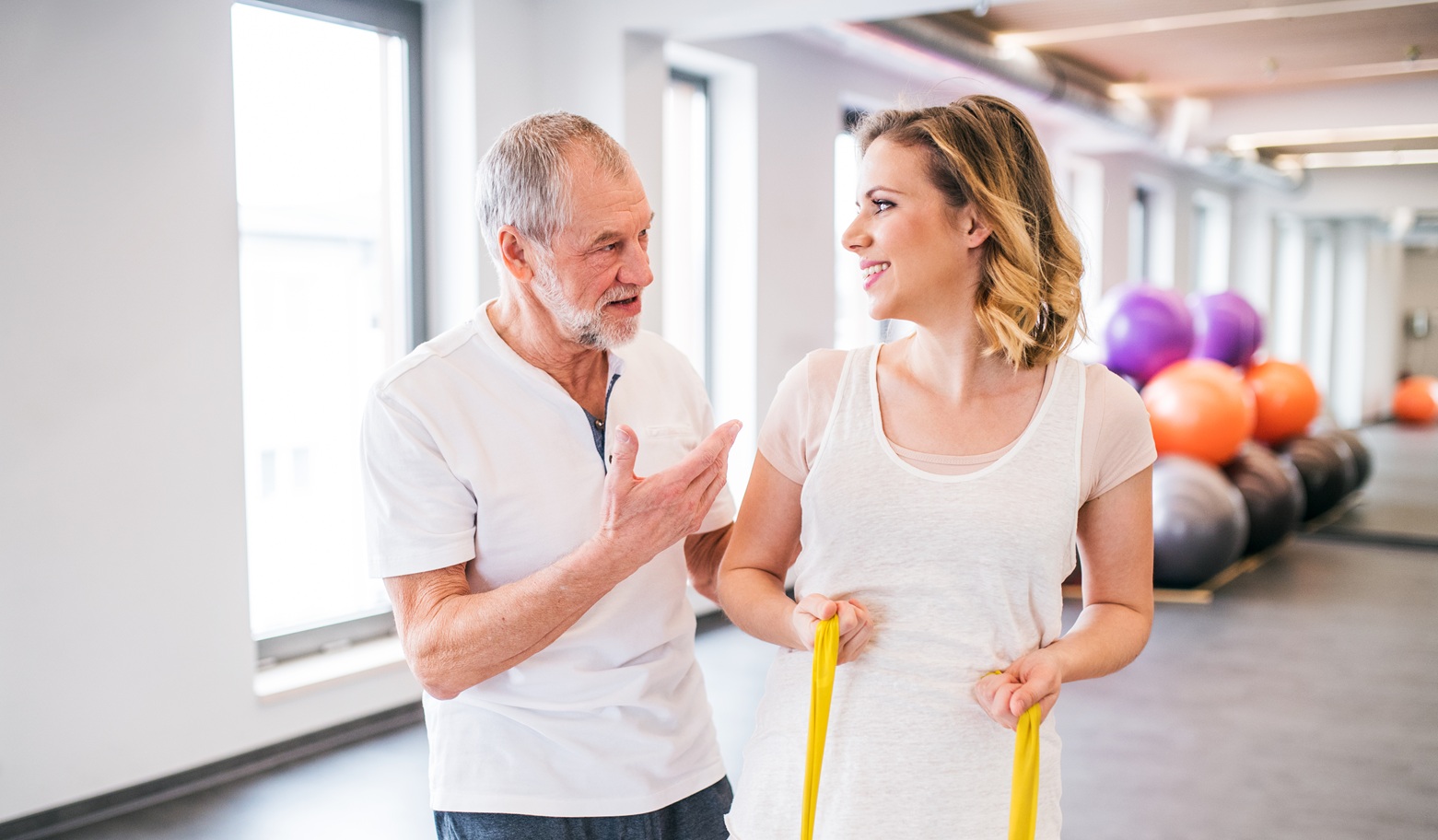
Once the patient is stable, rehabilitation begins. This is a key step in how to recover from a stroke, as it determines the person’s ability to regain lost functions.
- Physical therapy: helps restore mobility and muscle strength.
- Occupational therapy: teaches the patient how to perform daily tasks such as dressing and eating.
- Speech and language therapy: focuses on restoring communication if it has been affected.
- Emotional and psychological support: many patients experience anxiety or depression after a stroke.
3. Long-term recovery: months and years after
Stroke rehabilitation can extend over months or even years. The key to recovering from a stroke is consistency and proper medical follow-up.
- Regular exercise to improve coordination and endurance.
- Balanced diet to manage cholesterol and blood pressure.
- Management of chronic conditions such as diabetes and hypertension.
- Social and family support for better adaptation.
Factors influencing recovery
Each person has a different recovery pace. Some factors that influence how a stroke recovery progresses include:
- The severity of the stroke.
- The patient’s age.
- The speed at which medical attention was received.
- The type of treatment and rehabilitation received.
- Commitment to the recovery process.
Tips to improve recovery
- Follow medical instructions and attend regular check-ups.
- Practice rehabilitation exercises consistently.
- Maintain a positive attitude and seek emotional support.
- Avoid risk factors such as smoking, alcohol, and physical inactivity.
Use of technology in rehabilitation
Technological advancements have significantly improved how stroke recovery is managed. Various tools are available to support the patient’s rehabilitation:
- Robotic exoskeletons to improve mobility.
- Cognitive training apps to strengthen memory and speech.
- Electrical stimulation devices to strengthen affected muscles.
- Virtual reality to simulate rehabilitation scenarios and improve motor coordination.
Conclusion
Knowing how to recover from a stroke is essential to improving the patient’s quality of life. Rehabilitation requires patience, effort, and the support of professionals and loved ones. With proper care and a personalized plan, many individuals are able to regain function and lead a fulfilling life after a stroke.
If you would like more information about NeuroAiD II, please fill out this contact form.
"*" indicates required fields


