

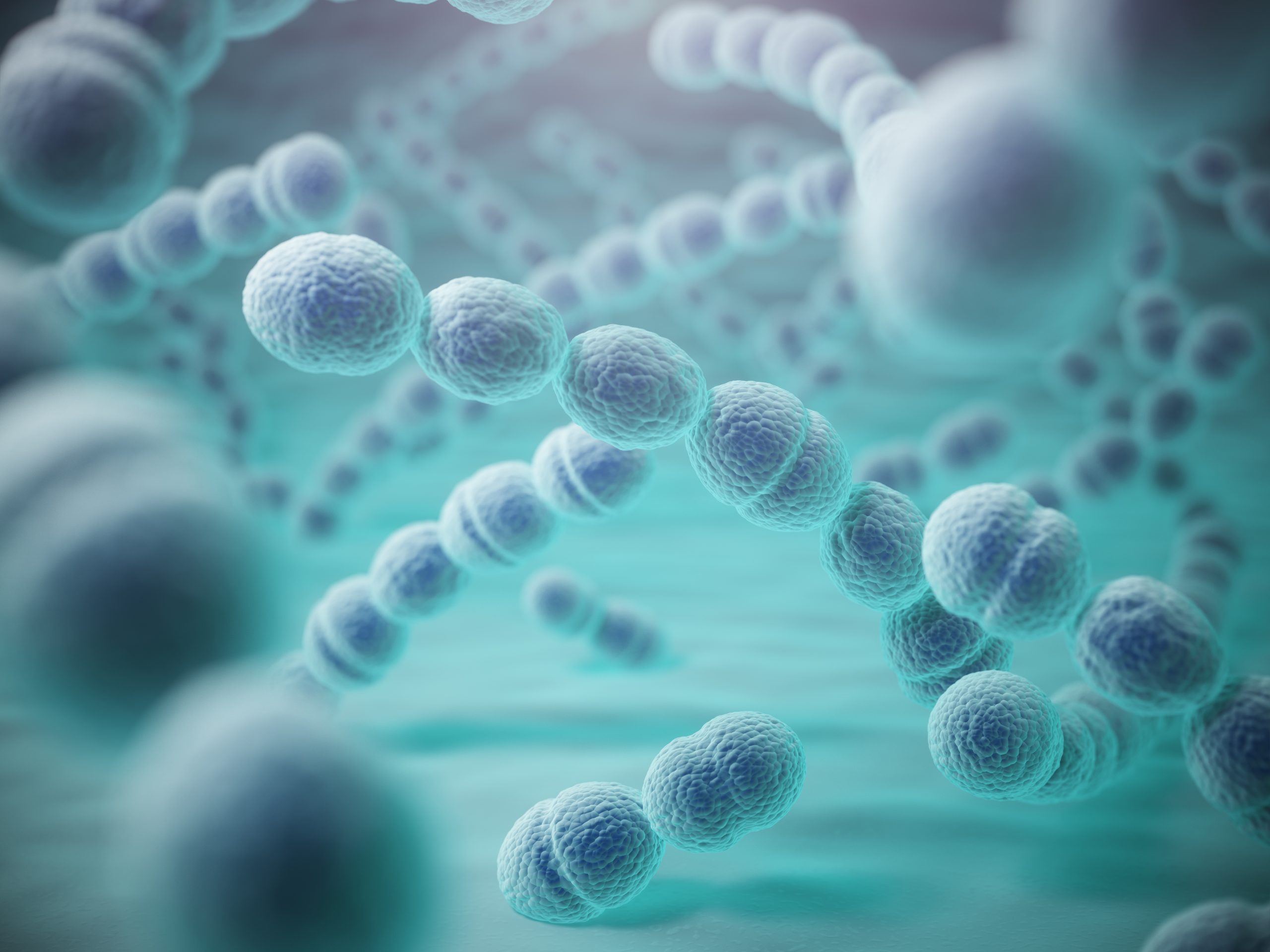

Meningitis is an inflammation of the membranes that surround the brain and spinal cord. These membranes are called the meninges. Meningitis can be caused by various agents, including bacteria, viruses, fungi, and other microorganisms. It can also result from certain non-infectious conditions, such as cancer or specific medications.
There are several types of meningitis, with the most common being the following:
Bacterial meningitis
Bacterial meningitis is a serious infection that affects the membranes surrounding the brain and spinal cord, known as the meninges. This form of meningitis is caused by bacteria that invade the central nervous system. The most common bacteria responsible for bacterial meningitis are Neisseria meningitidis (meningococcus), Streptococcus pneumoniae (pneumococcus), and Haemophilus influenzae.
Symptoms
The symptoms of bacterial meningitis can appear rapidly and are very intense. Some of the common signs and symptoms include:
- High fever: Body temperature may rise significantly.
- Severe headache: A strong headache is one of the characteristic symptoms.
- Neck stiffness: The inability to bend the neck forward due to tightness in the neck muscles.
- Sensitivity to light: Photophobia, or sensitivity to bright light.
- Vomiting: It can be persistent and severe.
- Confusion or changes in behavior: There may be irritability, drowsiness, difficulty concentrating, among others.
Diagnosis
The diagnosis of bacterial meningitis is generally made through a combination of medical history, physical examination, and additional tests. A lumbar puncture, which involves collecting a sample of cerebrospinal fluid using a needle inserted into the space surrounding the spinal cord, is a key test to confirm the presence of bacteria and identify the specific type of microorganism.

Treatment
Bacterial meningitis is a medical emergency and requires immediate treatment in a hospital setting. The main treatment involves the use of antibiotics targeted at the bacteria causing the infection. The choice of antibiotic will depend on the type of bacteria identified.
Prevention
The prevention of bacterial meningitis can be achieved through vaccination. Vaccines are available to protect against some of the most common bacteria that cause this form of meningitis, such as meningococcus and pneumococcus. In addition, it is important to practice proper hygiene measures, such as regular handwashing, to prevent the spread of bacteria.
In summary, bacterial meningitis is a serious medical condition that requires immediate medical attention. Timely treatment with antibiotics is crucial to improve the chances of recovery and reduce the risk of serious complications.
Viral meningitis
Viral meningitis is an inflammation of the membranes that surround the brain and spinal cord, known as the meninges. Unlike bacterial meningitis, which is caused by bacteria, viral meningitis is caused by viruses. The viruses that can lead to meningitis mainly include enteroviruses, but it can also be caused by other viruses such as herpes simplex virus, varicella-zoster virus, mumps virus, and influenza virus, among others.
Symptoms
The symptoms of viral meningitis can be similar to those of bacterial meningitis but are generally less severe. Common signs and symptoms include:
- Fever: Body temperature may rise, although usually not as high as in bacterial meningitis.
- Headache: It can vary in intensity.
- Neck stiffness: Although it may be less pronounced than in bacterial meningitis.
- Photophobia: Sensitivity to light.
- General discomfort: Fatigue, weakness, and possibly nausea and vomiting.
Diagnosis
As with bacterial meningitis, the diagnosis of viral meningitis involves a review of medical history, a physical examination, and additional tests. A lumbar puncture is a key test to analyze the cerebrospinal fluid and confirm the presence of a virus.
Treatment
In most cases, viral meningitis does not have a specific treatment and tends to improve on its own over time. Treatment focuses on relieving symptoms and may include medications for pain and fever. In some cases, especially when the virus is known (such as in herpes virus infections), antiviral medications may be used.
Prevention
The prevention of viral meningitis mainly involves measures to avoid the spread of viruses. Regular handwashing, social distancing, and practicing good hygiene are important to prevent the transmission of viruses that can cause meningitis.
It is important to note that although viral meningitis is usually less severe than bacterial meningitis, it is still a serious illness and may require hospitalization in some cases, especially if symptoms are severe or complications arise. If meningitis is suspected, it is essential to seek medical attention for proper diagnosis and treatment.
Fungal meningitis
Fungal meningitis, which is less common compared to bacterial and viral meningitis, is caused by the invasion of fungi into the meninges surrounding the brain and spinal cord. Some of the fungi that can cause this form of meningitis include Cryptococcus, Candida, and Aspergillus.
Symptoms
The symptoms of fungal meningitis can be similar to those of bacterial and viral meningitis, but the course of the disease and its severity may vary. Common signs and symptoms include:
- Fever: There may be an increase in body temperature.
- Headache: It can be persistent and severe.
- Neck stiffness: The inability to bend the neck forward due to tightness in the neck muscles.
- Photophobia: Sensitivity to light.
- Changes in mental status: There may be confusion, drowsiness, and other behavioral changes.
Diagnosis
The diagnosis of fungal meningitis generally involves a physical examination, medical history, and additional tests. A lumbar puncture is an important test to analyze the cerebrospinal fluid and confirm the presence of fungi.
Treatment
The treatment of fungal meningitis involves the use of antifungal medications, which are designed to combat fungal infections. The specific type of antifungal and the duration of treatment will depend on the type of fungus causing the infection. In some cases, prolonged treatment may be necessary, and hospitalization may be required.

Prevention
The prevention of fungal meningitis can be challenging, as it often affects people with weakened immune systems. Those with compromised immunity, such as individuals with HIV/AIDS, organ transplants, or diseases that affect the immune system, may be at higher risk. Maintaining a healthy immune system and following medical advice to manage underlying conditions can help in prevention.
In summary, fungal meningitis is less common but can be a serious illness, especially in individuals with compromised immune systems. Timely treatment with antifungal medications is essential to improve the chances of recovery. If meningitis is suspected, medical attention should be sought immediately.
Conclusion
In conclusion, meningitis is an inflammation of the membranes that surround the brain and spinal cord, known as the meninges. There are different forms of meningitis, with the most common being bacterial, viral, and fungal. Bacterial meningitis is caused by bacteria such as meningococcus and pneumococcus, and it can be severe and potentially life-threatening. Viral meningitis, usually caused by enteroviruses, tends to be less severe than bacterial meningitis and often improves without specific treatment. Fungal meningitis, less common, is caused by fungi and often affects individuals with weakened immune systems.
Common symptoms of meningitis include fever, severe headache, neck stiffness, and sensitivity to light. Diagnosis involves a physical examination, blood tests, and, crucially, a lumbar puncture to analyze cerebrospinal fluid. Treatment varies depending on the cause of meningitis and includes antibiotics for bacterial meningitis, antivirals in some cases of viral meningitis, and antifungals for fungal meningitis.
Prevention plays a crucial role and is achieved through vaccination, proper hygiene practices, and the early identification and treatment of underlying infections. Meningitis, regardless of its cause, is a medical emergency that requires immediate attention to avoid serious complications and improve the chances of recovery.
If you would like more information about NeuroAiD II, please fill out this contact form.
"*" indicates required fields


