

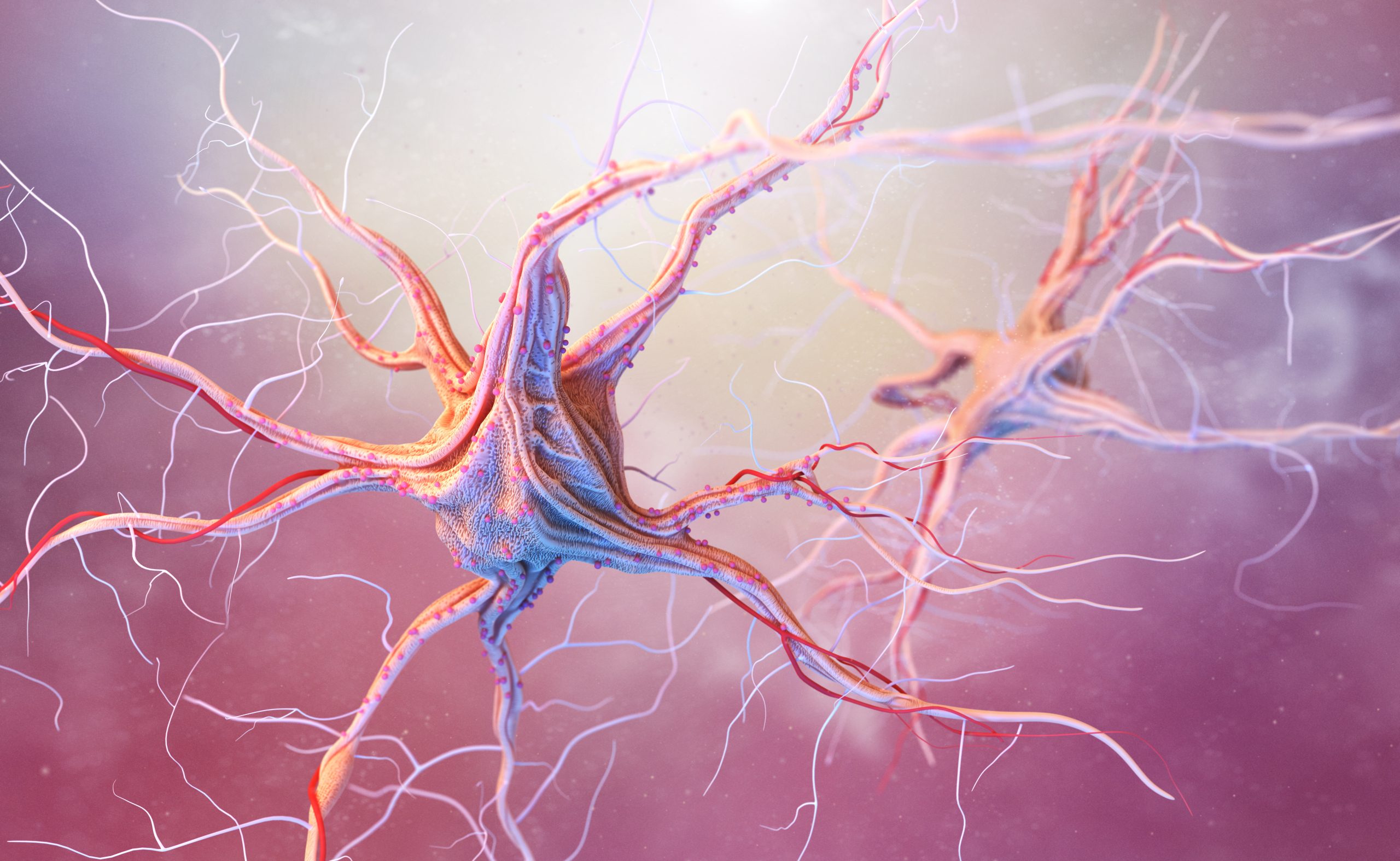

Myelin is an essential component of our nervous system that plays a critical role in the transmission of electrical signals. This substance, which surrounds nerve fibers, is vital for the proper functioning of both our central and peripheral nervous systems. In this article, we will explore what myelin is, its importance in the nervous system, and how its deterioration can affect health.
What is myelin?
Myelin is a lipid substance that surrounds nerve fibers, acting as an insulating layer that protects these structures. Its role is fundamental in accelerating the transmission of electrical signals along nerve cells. Myelin functions similarly to the insulation on an electrical wire, allowing nerve impulses to travel faster and more efficiently.
The importance of myelin in the nervous system
The main function of myelin is to facilitate the conduction of electrical signals along nerve fibers. When nerve fibers are coated with myelin, nerve impulses can quickly jump from one node of Ranvier to the next, which speeds up communication between nerve cells. This is especially crucial in the central nervous system, where the distances along nerve fibers are considerable.
Myelin also plays a vital role in protecting nerve fibers. It acts as a shield that prevents the loss of electrical signals and helps protect nerve fibers from damage caused by friction or exposure to external factors.
Types of myelin in the nervous system
1. Myelin in the central nervous system (CNS):
Myelin in the CNS is found in the central nervous system, which includes the brain and spinal cord. It is composed mainly of oligodendrocytes, a type of glial cell that produces and maintains myelin in these areas of the nervous system.
- Oligodendrocytes: These cells are responsible for forming and maintaining myelin in the CNS.A single oligodendrocyte can extend its processes and provide myelin for multiple nerve fibers in the brain and spinal cord. This results in a more compact and space-efficient structure.

- Nodes of Ranvier: In the CNS, the nodes of Ranvier are the gaps between the myelinated segments of nerve fibers. At these nodes, the myelin is interrupted, allowing nerve impulses to jump from one node to the next. This speeds up signal transmission.
2. Myelin in the peripheral nervous system (PNS):
Myelin in the PNS is found in the peripheral nervous system, which includes the nerves outside the brain and spinal cord. Unlike CNS myelin, myelin in the PNS is produced by glial cells called Schwann cells.
- Schwann cells: These cells are responsible for the formation and maintenance of myelin in the PNS. Each Schwann cell wraps around a single nerve fiber and creates a layer of myelin around it.
- Nodes of Ranvier: In the PNS, the nodes of Ranvier are also present but are more widely spaced compared to the CNS. This means that signal transmission in the PNS can be slightly slower compared to the CNS.
Key differences between CNS and PNS myelin:
- Cellular origin: CNS myelin is produced by oligodendrocytes, while PNS myelin is produced by Schwann cells.
- Number of fibers per glial cell: An oligodendrocyte can provide myelin to multiple nerve fibers in the CNS, resulting in a more compact structure. In the PNS, each Schwann cell wraps around a single nerve fiber.
- Distribution of nodes of Ranvier: In the CNS, the nodes of Ranvier are closer together, allowing for faster signal transmission. In the PNS, the nodes of Ranvier are more widely spaced.
In summary, myelin is essential for the proper functioning of the nervous system and occurs in two main types depending on its location: CNS myelin and PNS myelin. Each type has its own characteristics and differences in how it wraps around nerve fibers and contributes to the transmission of electrical signals in the nervous system.
The loss or deterioration of myelin can have serious health consequences. There are various diseases related to demyelination, which is the process of myelin degradation. Some of these conditions include:
- Multiple sclerosis: Multiple sclerosis is an autoimmune disease that affects the central nervous system. In this condition, the immune system attacks and damages myelin, resulting in a disruption of nerve signal transmission.
- Charcot–Marie–Tooth disease: This is a hereditary disorder that affects peripheral nerve fibers and leads to the loss of myelin. Symptoms include muscle weakness and impaired coordination.
- Optic neuritis: This condition involves inflammation and demyelination of the optic nerve, which can cause vision loss.

Treatment and rehabilitation
The treatment of diseases related to myelin loss varies depending on the specific condition and its severity. However, in many cases, it focuses on symptom management, rehabilitation, and preventing further damage to myelin. Medical research continues to seek innovative approaches for myelin regeneration in the nervous system.
Conclusion
Myelin is a critical component of the nervous system, facilitating the rapid transmission of electrical signals and protecting nerve fibers. Its loss or deterioration can have serious health consequences, as in the case of diseases such as multiple sclerosis. Understanding the importance of myelin in the nervous system is essential for advancing research and the treatment of diseases related to demyelination.
If you would like more information about NeuroAiD II, please fill out this contact form.
"*" indicates required fields


