
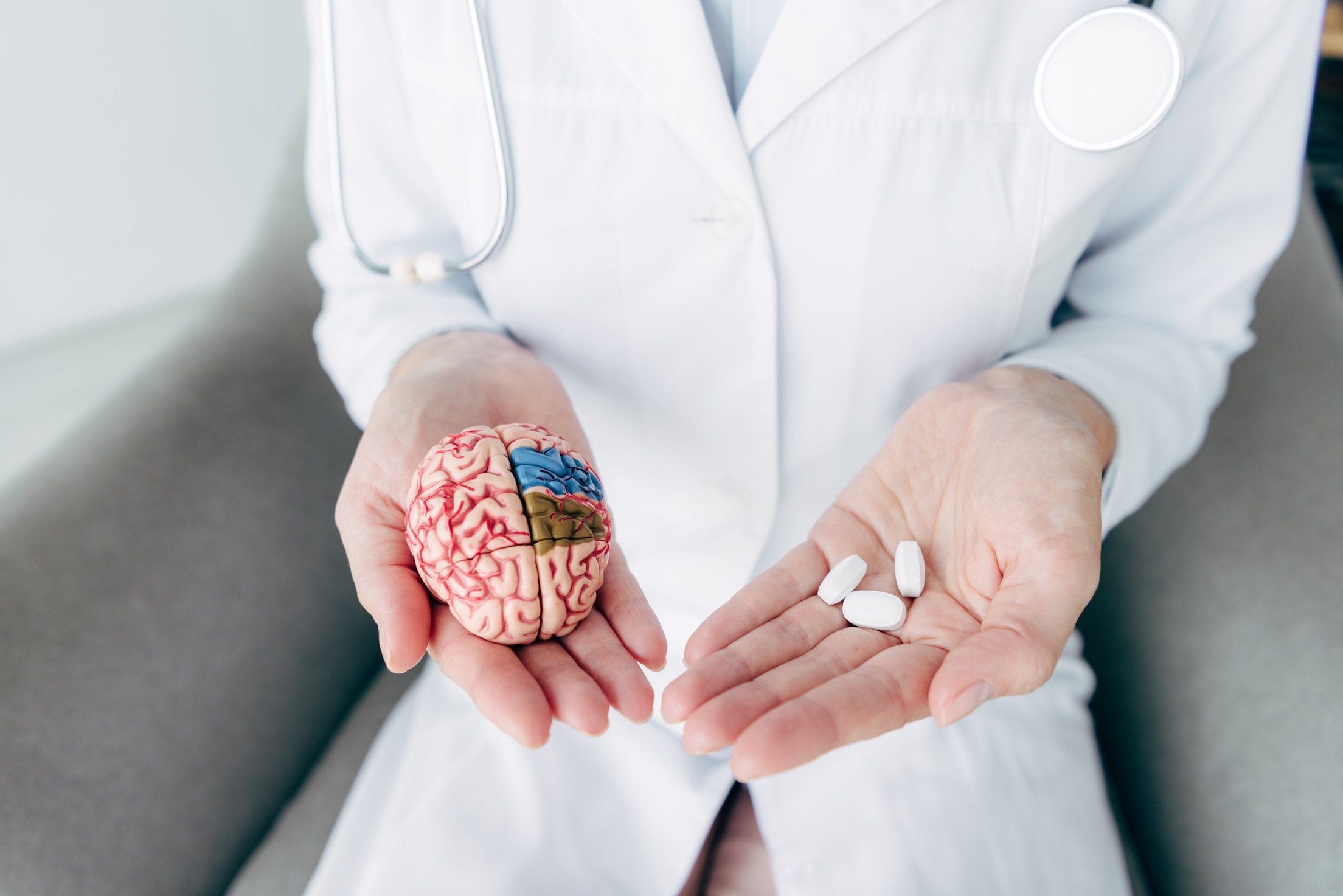

Neuroprotection is a medical approach that aims to prevent damage and death of nerve cells, especially in situations of neurological injury such as trauma, stroke, and neurodegenerative diseases, among others. This therapeutic strategy seeks to preserve the structure and function of the nervous system, reduce the sequelae of neuronal injuries, and, in many cases, slow the progression of diseases.
What is Neuroprotection?

Neuroprotection refers to any intervention that protects the cells of the nervous system (neurons and glia) from damage caused by injuries, diseases, or neurodegenerative conditions. Its main objective is to prevent or limit neuronal damage resulting from pathological events such as stroke, cerebral ischemia, traumatic brain injury, and chronic diseases such as multiple sclerosis, Parkinson’s disease, or Alzheimer’s disease.
The concept of neuroprotection has gained significant attention in recent years due to the increasing prevalence of neurological diseases, which has led to the development of innovative therapies to protect and repair the nervous system.
Mechanisms of Neuroprotection
The process of neuroprotection involves various cellular and molecular mechanisms that work to mitigate neuronal damage. These mechanisms can be naturally activated in the body or through pharmacological interventions and experimental therapies. Some of the main neuroprotective mechanisms include:
- Inhibition of excitotoxicity: Excitotoxicity is neuronal damage caused by the overstimulation of glutamate receptors, an excitatory neurotransmitter. Excessive levels of glutamate can lead to cell death. Neuroprotective drugs, such as NMDA receptor antagonists, block this process and reduce damage.
- Reduction of oxidative stress: Oxidative stress occurs when there is an imbalance between the production of free radicals and the body’s ability to neutralize them. This phenomenon damages neurons and contributes to neurodegeneration. Antioxidants are essential to counteract this stress and protect nerve cells.
- Modulation of inflammation: Chronic inflammation in the central nervous system can cause progressive neuronal damage. Neuroprotective therapies include drugs that regulate microglial activation and the release of inflammatory cytokines to prevent neuronal deterioration.
- Inhibition of apoptosis: Apoptosis, or programmed cell death, is a natural process but can be pathologically activated in the brain after an injury. Neuroprotective agents aim to inhibit this apoptotic pathway to preserve neurons at risk.
- Preservation of the blood-brain barrier: The blood-brain barrier is a structure that protects the brain from toxins and pathogens. Its disruption during events such as stroke or multiple sclerosis can exacerbate brain damage. Neuroprotection also aims to maintain the integrity of this barrier.
Clinical applications of Neuroprotection
Neuroprotection is applied in various neurological disorders. Below, we review some of the most relevant areas where neuroprotective strategies are being implemented or investigated.
- Stroke: During a stroke, the interruption of blood flow to the brain causes ischemic damage. Neuroprotective therapies in this context focus on reducing ischemic injury, protecting neurons from death, and promoting functional recovery. The most widely studied treatments include drugs that block NMDA receptors and antioxidants.
- Traumatic Brain Injury (TBI): After a head trauma, neuroprotection aims to mitigate secondary damage caused by inflammation, excitotoxicity, and cerebral edema. In this field, drugs that reduce oxidative damage and protect neuronal function are being investigated.
- Neurodegenerative Diseases: In chronic conditions such as Alzheimer’s, Parkinson’s, and multiple sclerosis, neuroprotection focuses on slowing disease progression and maintaining cognitive and motor function. Antioxidant drugs, inflammation inhibitors, and gene therapies are at the center of research in this field.
- Spinal Cord Injury: Spinal cord injuries can cause irreversible neurological damage. Neuroprotective strategies in this case focus on minimizing the extent of damage after the injury and promoting neuronal regeneration. Clinical trials are evaluating the use of nerve growth factors and stem cells.
- Demyelinating Diseases: In conditions such as multiple sclerosis, where the myelin covering nerve fibers is damaged, neuroprotection seeks to prevent axonal degeneration and promote remyelination. Therapies based on immunomodulation and myelin repair are under development.
Therapeutic strategies for Neuroprotection
There are various therapeutic strategies under investigation and in clinical use to achieve neuroprotection in different contexts of neurological damage. These include:
- Neuroprotective drugs: Various classes of medications are being tested for their neuroprotective effects, including NMDA receptor antagonists, inflammatory cytokine inhibitors, calcium channel modulators, and antioxidants.
- Stem cell therapy: Neuronal regeneration and repair of the central nervous system are important goals of neuroprotection. Stem cell therapy is being investigated as a way to replace damaged neurons and promote functional recovery.
- Neuroprotection through hypothermia: Therapeutic hypothermia has been used to protect the brain after injuries such as stroke or cardiac arrest. By cooling the brain, cerebral metabolism is reduced and damage caused by ischemia and inflammation is limited.
- Electrical and magnetic stimulation: Techniques such as transcranial magnetic stimulation (TMS) and deep brain stimulation (DBS) are being evaluated to protect neurons and enhance neuronal plasticity, especially in the context of disorders such as depression, Parkinson’s disease, and epilepsy.
- Nutritional interventions: Proper nutrition and the use of supplements such as omega-3 fatty acids and antioxidants are gaining attention for their ability to protect neurons and improve brain function. Some nutrients have been shown to have anti-inflammatory and neuroprotective effects.
Neuroprotective rehabilitation

The rehabilitation process also plays a key role in neuroprotection, as it seeks to improve neuronal connections and promote brain plasticity after an injury. Occupational therapy, physiotherapy, and cognitive therapies help maintain and improve neuronal function in patients who have suffered brain or spinal cord damage.
Moreover, moderate physical exercise has been shown to be neuroprotective, as it promotes the release of neurotrophic factors such as brain-derived neurotrophic factor (BDNF), which supports neuronal survival and synaptic plasticity.
Future perspectives of Neuroprotection
Research in neuroprotection continues to advance, and new therapies and drugs are being developed that promise to change the approach to neurological disorders. Some key areas include:
- Gene therapies: Genetic editing could offer solutions for neurodegenerative diseases by enabling the modification of genes that promote neuronal regeneration and protection.
- Nanomedicine: The use of nanomaterials to deliver drugs directly to affected areas of the brain is a growing field.
- Personalized therapy: In the future, neuroprotective treatments are expected to be tailored to address the specific needs of each patient, based on their genetic and biological characteristics.
In summary, neuroprotection is an expanding field that encompasses various strategies to prevent neuronal damage and promote recovery after injury or disease. From pharmacotherapy to physical rehabilitation, the ultimate goal is to improve patients’ quality of life and slow the progression of neurodegenerative diseases.
If you would like more information about NeuroAiD II, please fill out this contact form.
"*" indicates required fields


