

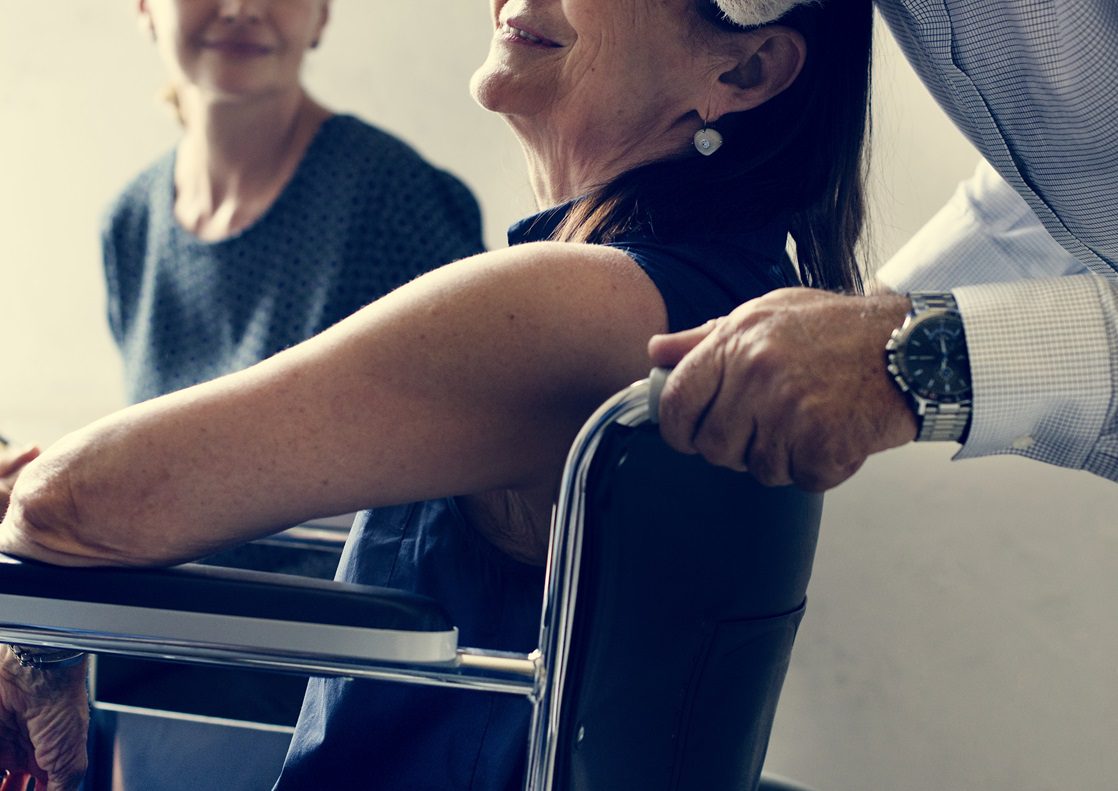

Neurorehabilitation plays a crucial role in the recovery of patients who have suffered a stroke. Following brain damage caused by the interruption of cerebral blood flow, as occurs in a stroke, rehabilitation is essential to restore lost functions and improve patients’ quality of life. In this article, we will explore what neurorehabilitation is, how it relates to stroke, its objectives, techniques, and long-term benefits.
What is neurorehabilitation and its relationship with stroke?
Neurorehabilitation is a set of medical therapies designed to help individuals recover physical, cognitive, emotional, and social abilities that may have been affected due to injuries to the nervous system, such as a stroke. When a person experiences a stroke, neuronal connections in certain areas of the brain may be damaged, resulting in loss of motor, cognitive, or speech functions. This is where neurorehabilitation plays a key role.
The primary goal of neurorehabilitation is to maximize the patient’s functional capacity, helping them regain independence and improve their quality of life. An interdisciplinary team of physicians, physiotherapists, occupational therapists, speech therapists, and neuropsychologists typically works collaboratively to develop a personalized treatment plan for each patient.
Neurorehabilitation in stroke
Neurorehabilitation is particularly relevant for individuals who have experienced a stroke, as brain damage caused by the lack of oxygen and nutrients can affect many vital functions. During a stroke, cerebral blood flow is interrupted, leading to the death of brain cells. The longer the brain is deprived of oxygen, the more severe the damage will be.
Neurorehabilitation after a stroke focuses on stimulating unaffected areas of the brain to assume the functions of the damaged regions. This process is known as brain plasticity and forms the basis of functional improvement in patients with brain injury. Although neurorehabilitation cannot fully reverse the effects of a stroke, it can accelerate recovery and optimize the patient’s adaptation to their new condition.
Objectives of neurorehabilitation
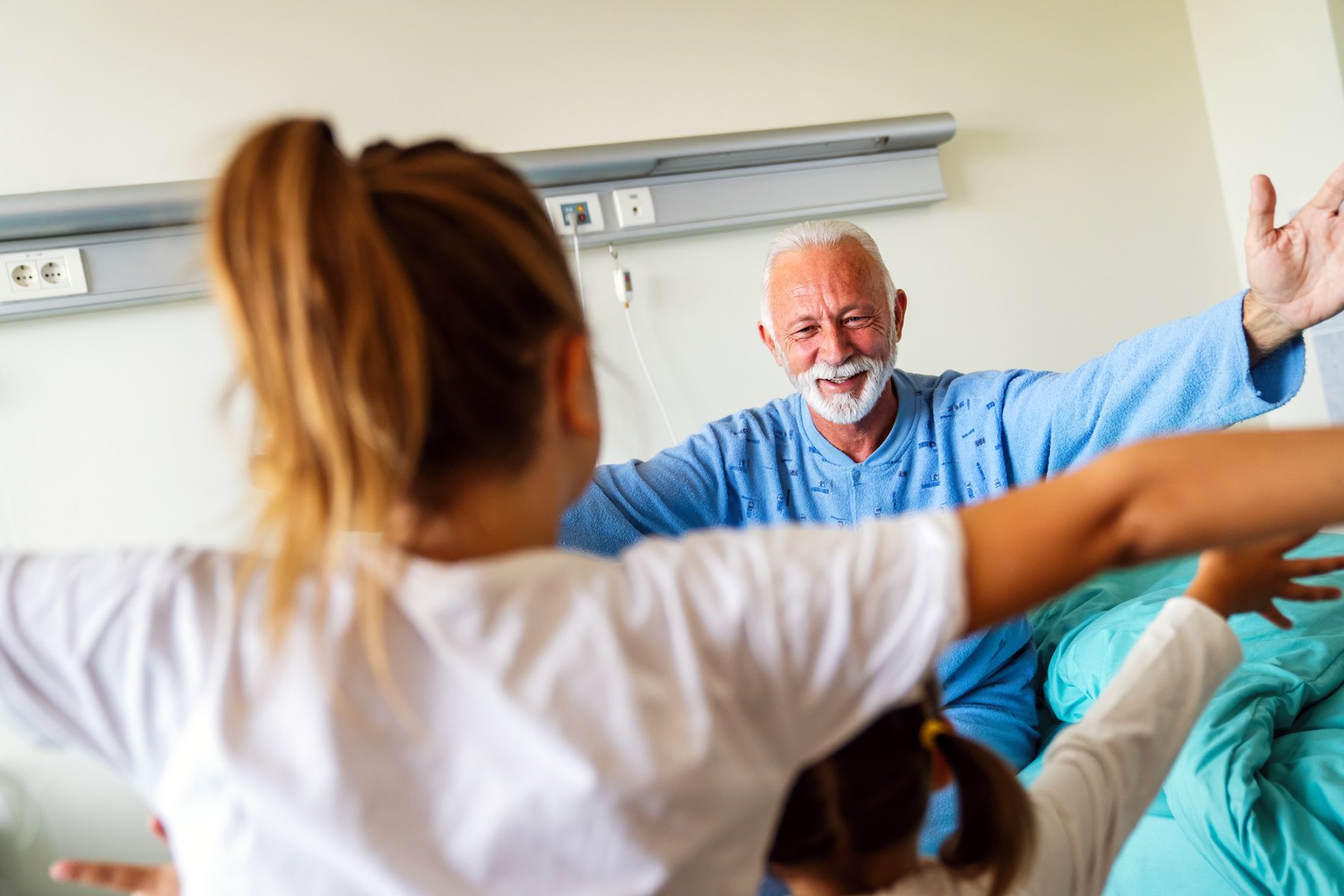
The overall objective of neurorehabilitation is to help the patient recover as many lost functions as possible following a stroke. Specific goals may vary depending on the sequelae of brain injury, but some of the most common include:
- Improve mobility and motor control: Neurorehabilitation focuses on helping patients regain control over their movements, improve muscle strength, and coordinate movements of the arms, legs, and other body parts that may have been affected by the stroke.
- Restore speech abilities: A stroke can affect the areas of the brain responsible for speech and communication. Neurorehabilitation uses speech therapy interventions to help patients improve their communication abilities.
- Retrain cognitive abilities: Cognitive functions such as memory, attention, and decision-making may be affected by a stroke. Through neurorehabilitation, these cognitive skills are targeted for improvement, helping patients regain their independence.
- Emotional and psychological rehabilitation: After a stroke, many patients experience emotional challenges such as depression or anxiety due to life changes. Neurorehabilitation includes psychological support to help patients cope with these emotional difficulties.
- Improve independence in activities of daily living: One of the main goals of neurorehabilitation is to help patients regain the ability to perform daily activities independently, such as dressing, eating, and moving from one place to another.
Neurorehabilitation techniques for stroke
There are various techniques and approaches in neurorehabilitation that are applied according to the patient’s needs. Some of the most common include:
1. Physiotherapy
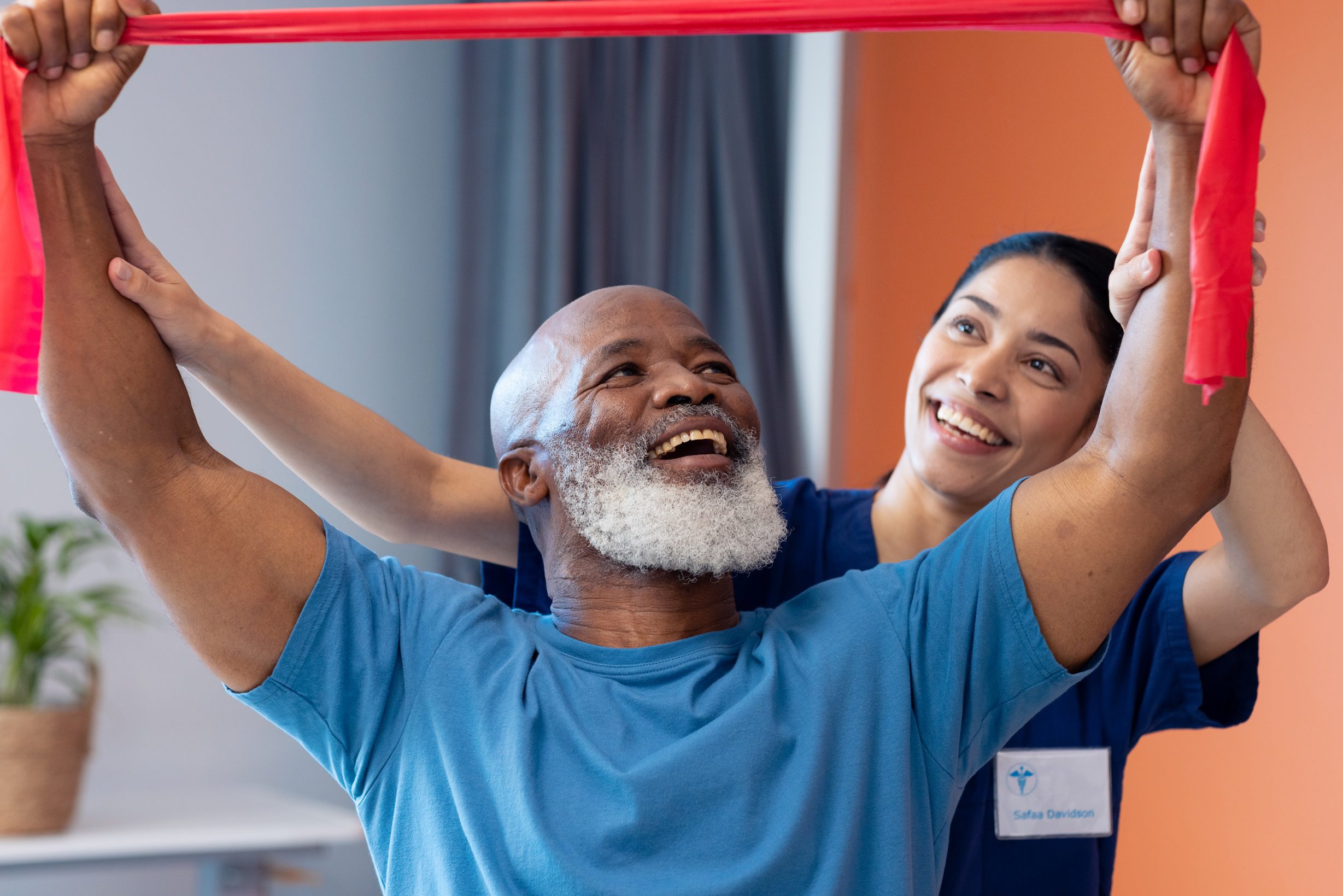
Physiotherapy is fundamental in neurorehabilitation to restore motor abilities. Through targeted exercises and passive mobilization, physiotherapists help patients strengthen their muscles, improve balance, and enhance movement coordination.
2. Occupational therapy
Occupational therapy focuses on helping patients regain the ability to perform daily activities such as eating, dressing, or bathing. In neurorehabilitation, occupational therapists work to adapt everyday tasks to the patient’s abilities, promoting independence.
3. Speech therapy
For patients who experience difficulties in speaking or understanding language after a stroke, speech therapy is an essential component of neurorehabilitation. Speech-language therapists work with patients to improve speech control, articulation, and language comprehension.
4. Functional electrical stimulation
In some cases, functional electrical stimulation is used in neurorehabilitation to activate paralyzed or weakened muscles through electrical impulses. This technique can be useful for improving movement in the arms and legs, especially in the first months after a stroke.
5. Cognitive and emotional therapy
Cognitive and emotional impairment caused by a stroke can be addressed through cognitive retraining techniques and emotional support. Neuropsychologists help patients improve memory, attention, and problem-solving skills, while also providing psychological support to cope with new emotional challenges.
Benefits of neurorehabilitation
Neurorehabilitation offers numerous benefits to patients who have experienced a stroke, including:
- Faster recovery: Early neurorehabilitation can accelerate the recovery of motor, cognitive, and speech functions.
- Improved quality of life: As patients regain essential skills for daily living, they can become more independent and enhance their overall quality of life.
- Reduced dependency: Through neurorehabilitation, many patients can decrease their reliance on caregivers or family members, achieving greater autonomy in their daily activities.
- Emotional adaptation: Neurorehabilitation also addresses the emotional aspects of recovery, helping patients adapt to changes and cope with the emotional challenges that arise after a stroke.
Long-term prevention and care
Neurorehabilitation not only focuses on immediate recovery after a stroke but also on the prevention of future events. Part of the rehabilitation process includes education on how to manage risk factors such as hypertension, diabetes, and high cholesterol to reduce the likelihood of a recurrent stroke.
In addition, neurorehabilitation involves the development of long-term care plans that may include the continuation of physical and cognitive therapies, as well as regular monitoring of the patient’s overall health.
Conclusion
Neurorehabilitation is an essential component in the recovery of patients who have experienced a stroke. Through a comprehensive approach that combines physiotherapy, occupational therapy, speech therapy, and emotional support, neurorehabilitation helps individuals regain lost abilities and improve their quality of life.
Recognizing the importance of neurorehabilitation in the recovery process, as well as adopting healthy lifestyle habits to prevent future strokes, is key to patients’ long-term well-being. Education, appropriate treatment, and ongoing support are essential to ensure that patients can adapt to their new circumstances and lead a full and functional life after a stroke.
If you would like more information about NeuroAiD II, please fill out this contact form.
"*" indicates required fields


