

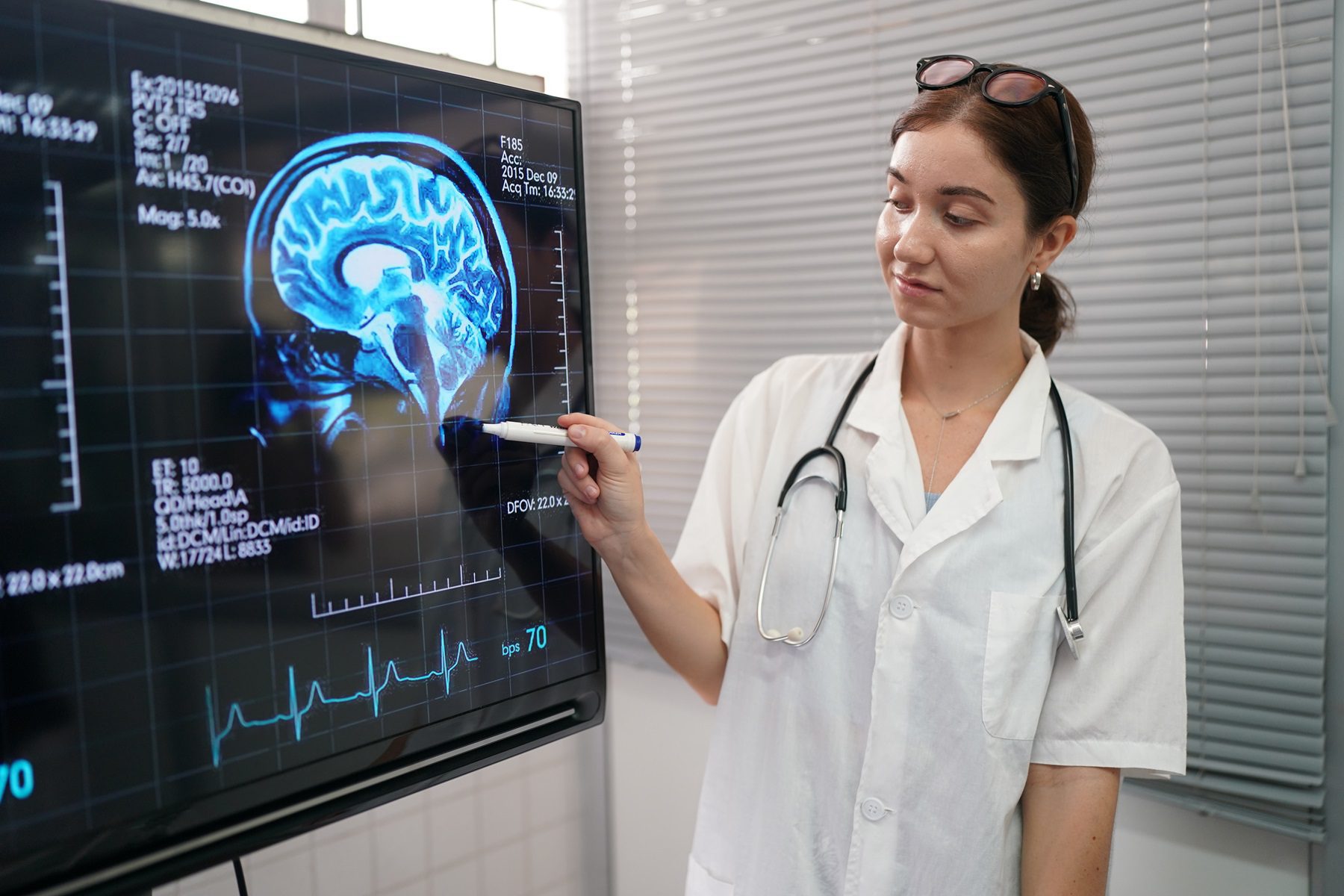

Oxygen therapy is a treatment that delivers supplemental oxygen to the body to ensure that tissues receive the necessary levels of this vital gas. Although it is commonly used to manage respiratory conditions, in recent years its application has been explored in the context of cerebrovascular accidents (stroke), one of the leading causes of disability and mortality worldwide.
What is Oxygen Therapy?
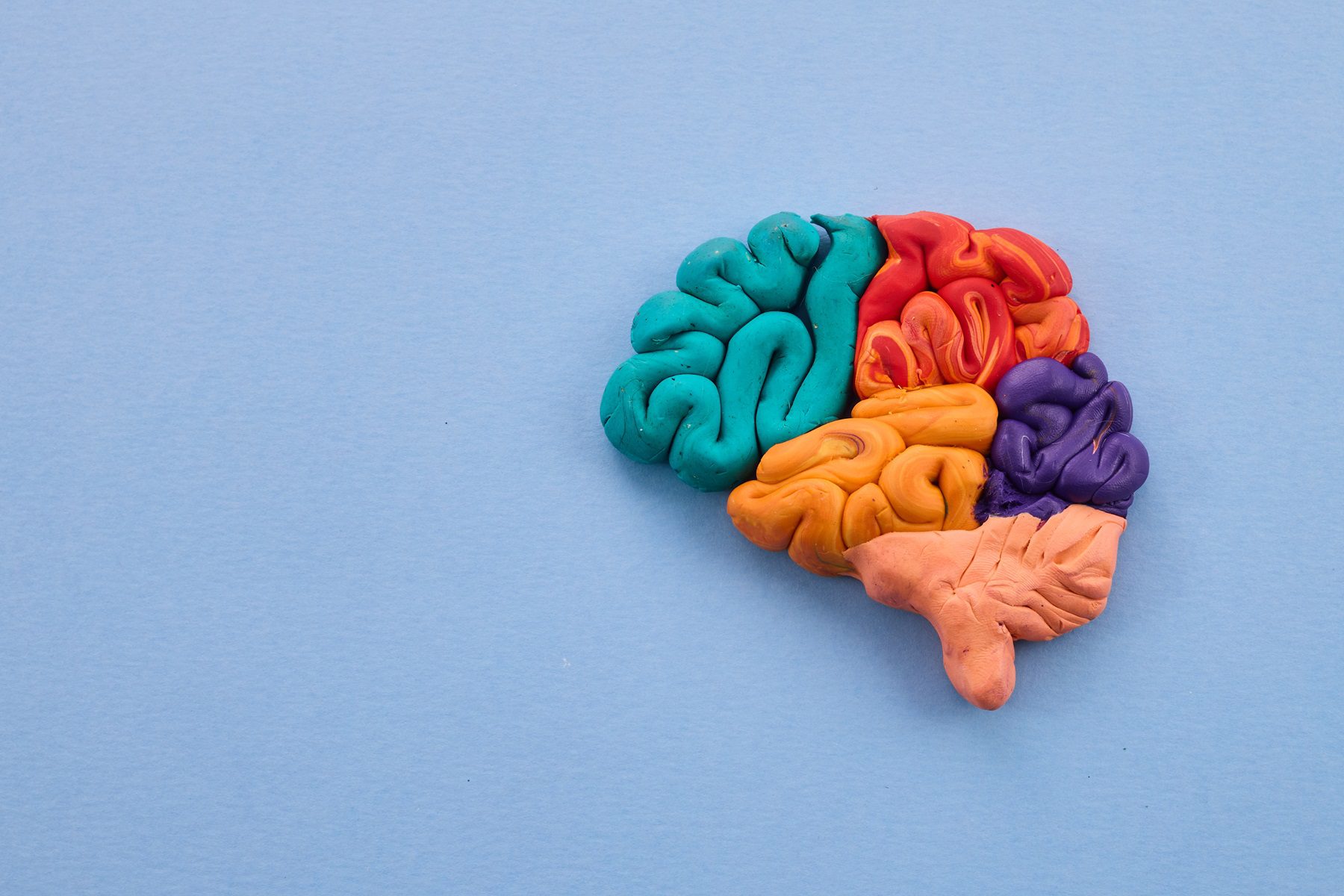
Oxygen therapy consists of administering supplemental oxygen to the patient through different delivery methods, such as face masks or nasal cannulas. The objective is to increase the amount of oxygen in the blood, ensuring adequate delivery to vital organs, especially the brain, which depends on a continuous oxygen supply to function properly.
The brain utilizes approximately 20% of the oxygen we breathe. In stress conditions such as a stroke, oxygen supply may be compromised due to disruption of blood flow. Oxygen therapy aims to improve this supply, thereby reducing cerebral damage.
The Role of Oxygen Therapy in Stroke (Cerebrovascular Accident)
A stroke occurs when blood flow to a part of the brain is blocked (ischemic stroke) or when a blood vessel ruptures (hemorrhagic stroke), resulting in deprivation of oxygen and nutrients to the affected brain tissue. Oxygen deprivation during a stroke can lead to neuronal cell death, resulting in permanent sequelae such as loss of motor or cognitive function.
Oxygen therapy has been investigated as a complementary strategy in stroke management, particularly to reduce damage occurring in the first minutes and hours after the event. Although standard treatment includes rapid restoration of blood flow through anticoagulant therapy or surgical intervention, it has been suggested that providing supplemental oxygen may help brain cells survive during the critical period until blood flow is stabilized.
How Does Oxygen Therapy Work in Patients with Stroke?
Oxygen therapy may have several beneficial effects in patients with stroke:
- Improvement of cerebral oxygenation: By increasing the amount of oxygen in the blood, oxygen delivery to at-risk brain tissue can be enhanced, helping to prevent cell death and reduce neurological damage.
- Reduction of inflammation: Supplemental oxygen may help reduce inflammation and cerebral edema, which commonly occur after a stroke. This can minimize secondary damage caused by elevated intracranial pressure.
- Stimulation of neuroplasticity: Recent studies suggest that oxygen may support brain recovery by enhancing neuroplasticity, the process by which neurons reorganize and form new connections.
- Improvement of blood perfusion: Oxygen therapy may facilitate the recruitment of collateral blood vessels, allowing improved blood flow to affected areas of the brain.
Research and Scientific Evidence
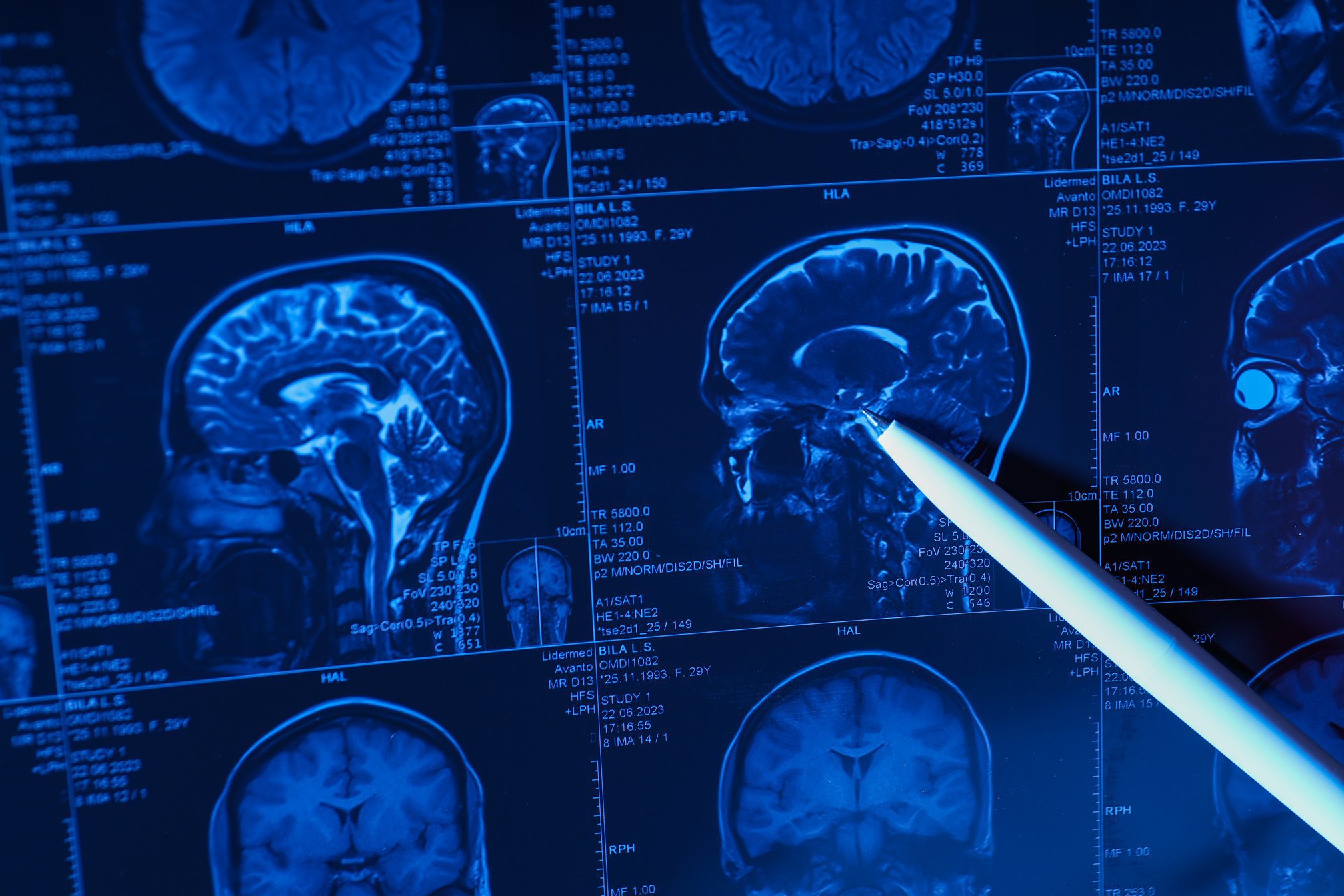
Studies on the use of oxygen therapy in stroke have produced mixed results. Some research indicates that it may be beneficial if administered promptly after an ischemic stroke, while other studies have not found a significant improvement in long-term outcomes.
- Hyperbaric oxygen therapy: One of the most studied approaches has been the use of hyperbaric oxygen therapy, in which the patient breathes pure oxygen in a pressurized chamber. This type of oxygen therapy has shown some potential to limit brain damage in the early hours after stroke, but its widespread use has not yet been adopted in treatment guidelines.
- Normobaric oxygen therapy: Another approach is normobaric oxygen therapy, which delivers oxygen at normal atmospheric pressure. Some studies have suggested that early use may be beneficial, but further research is needed to establish clear protocols on when and how to apply this therapy.
Potential Benefits and Risks
Oxygen therapy in the context of stroke presents several important theoretical benefits, but there are also potential risks that must be considered:
- Potential benefits:
- Reduction of brain damage if administered early.
- Improvement in cognitive and motor function following rehabilitation.
- Increased survival of brain cells in areas with limited blood flow.
- Risks:
- Hyperoxia: If excessive oxygen is administered over a prolonged period, it may lead to oxidative damage, potentially exacerbating cerebral inflammation.
- Limitations in hemorrhagic stroke: In this type of stroke, increased oxygen levels are not always beneficial and may, in fact, worsen the condition by increasing intracranial pressure.
When is Oxygen Therapy Recommended in Patients with Stroke?
Currently, there is no clear consensus on when oxygen therapy should be implemented in patients with stroke. In many hospitals, it is used as a supportive measure to maintain blood oxygen saturation above 95%, particularly in the first hours after the event. However, its routine use as a primary treatment remains a subject of debate.
During the recovery phase, some patients may benefit from oxygen therapy if they experience respiratory complications or have difficulty maintaining adequate oxygen levels. Additionally, for patients with extensive brain injury, hyperbaric oxygen therapy may be considered as a potential option under specialist supervision.
Conclusion
Oxygen therapy offers a promising approach to improve outcomes in patients who have experienced a stroke, particularly when administered early. However, although evidence suggests benefits in certain cases, further research is still needed to establish appropriate protocols and maximize its effectiveness without increasing risks.
As part of a comprehensive approach to stroke management, oxygen therapy may play a key role in reducing cerebral damage and improving recovery outcomes. However, its implementation should be carefully supervised and tailored to the specific needs of each patient.
If you would like more information about NeuroAiD II, please fill out this contact form.
"*" indicates required fields


