

Stroke, also known as cerebrovascular accident, may occur suddenly, but its effects often persist over time. Although advances in diagnosis and treatment have improved survival, many individuals still question the sequelae following a stroke and how it may impact daily life.
Brain injury: the underlying basis of post-stroke sequelae
A stroke occurs when blood flow to a region of the brain is interrupted, either due to a clot (ischemic stroke) or rupture of a blood vessel (hemorrhagic stroke). In both cases, brain cells are deprived of oxygen and nutrients, leading to cell death within minutes.
The brain is the central control system for all bodily functions. Therefore, understanding the sequelae following a stroke depends on identifying which region of the brain has been affected. For example, a stroke in the left hemisphere may result in language impairments, whereas a stroke in the right hemisphere may affect spatial perception.
Physical sequelae: the most apparent manifestations

When discussing the sequelae following a stroke, the most evident are typically physical. These may include:
-
Hemiparesis or hemiplegia: weakness or paralysis affecting one side of the body.
-
Muscle spasticity: increased muscle tone causing stiffness and impaired movement.
-
Balance and coordination impairments: commonly observed when the cerebellum is affected.
-
Swallowing impairment (dysphagia): increases the risk of aspiration pneumonia.
-
Severe fatigue: may occur even during minimal physical activity.
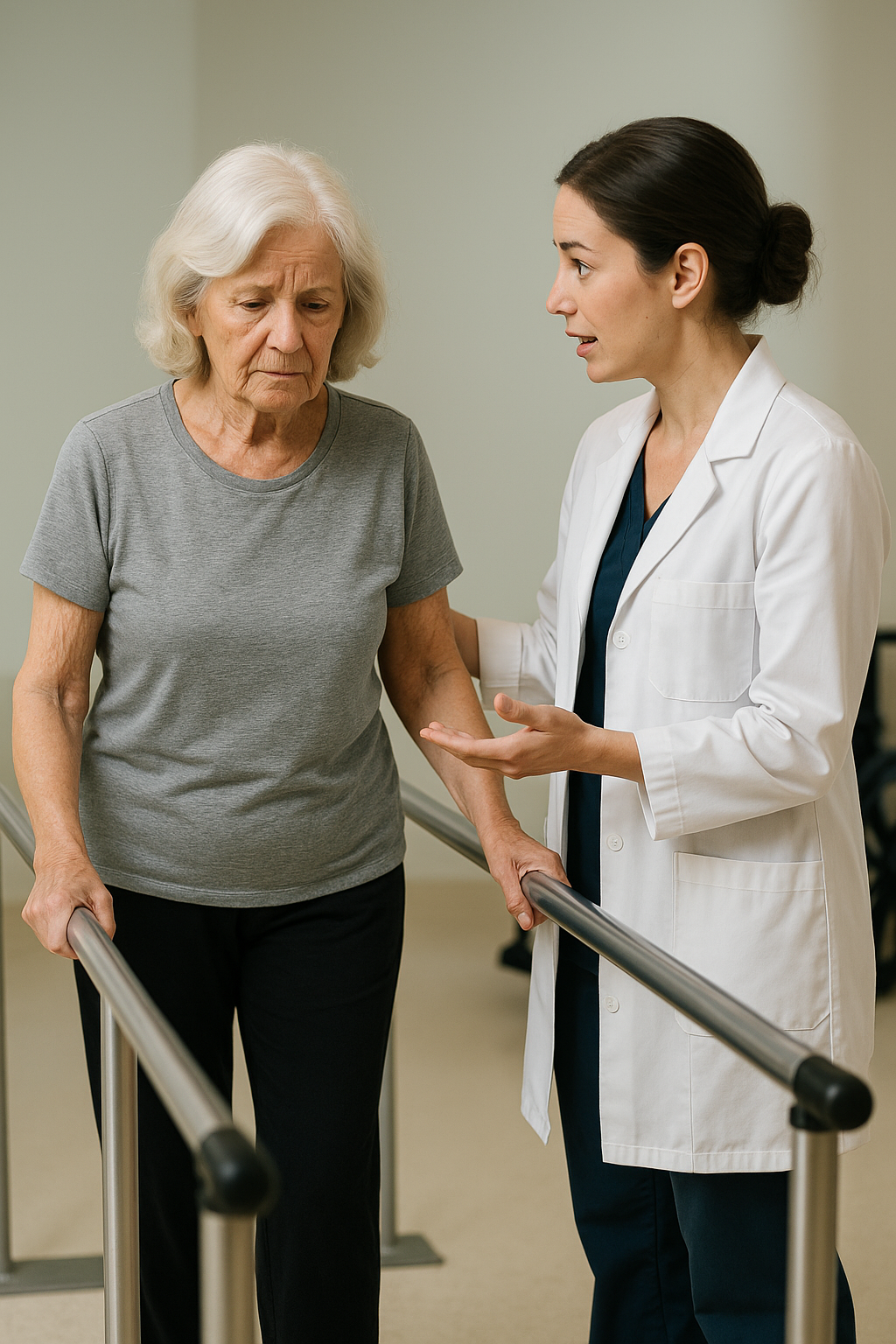
These sequelae directly impact patient autonomy, limiting the ability to walk, dress, or perform activities of daily living. Physiotherapy and occupational therapy are essential in these cases.
Language and communication impairments
Another key aspect in understanding the sequelae following a stroke is the presence of language disorders. These include:
-
Aphasia: impairment in speech production, comprehension, reading, or writing. It may be classified as expressive, receptive, or global.
-
Dysarthria: slurred or unclear speech due to muscular weakness.
-
Apraxia of speech: impaired ability to coordinate the motor movements required for speech production.
These impairments not only hinder communication but also negatively impact the patient’s self-esteem and social interactions. Speech and language therapy becomes a crucial component of rehabilitation.
Cognitive deficits: memory, attention, and executive function
Many individuals are unaware of the cognitive sequelae following a stroke, yet these impairments are common and often go unnoticed in the early stages. The main ones include:
-
Recent memory loss
-
Attention and concentration impairments
-
Impaired planning and problem-solving abilities
-
Impairment in temporal and spatial perception
-
Hemispatial neglect: the patient fails to attend to stimuli on one side of the body
These sequelae impair cognitive performance and functional independence. They may limit abilities ranging from cooking or managing finances to returning to work.
Emotional and psychological disorders
An often overlooked dimension when addressing the sequelae following a stroke is the emotional impact. Experiencing a stroke can profoundly alter personality and mood. Among the most common consequences are:
-
Post-stroke depression: estimated to affect up to 50% of survivors.
-
Anxiety: often associated with fear of recurrent stroke events.
-
Personality changes: including apathy, irritability, or impulsivity.
-
Sleep disorders
These types of sequelae impact not only the patient but also their family environment. Psychological support and psychiatric intervention may be as important as physical rehabilitation.
Sensory and perceptual impairments
When analyzing the sequelae following a stroke, sensory-related impairments must also be considered. These include:
-
Partial vision loss: hemianopia (loss of the visual field on one side).
-
Neuropathic pain: resulting from damage to sensory pathways
-
Paresthesia: tingling or numbness sensations
-
Hearing loss (hypoacusis) or auditory impairments
These impairments hinder interaction with the environment and may require specific interventions, such as visual or auditory assistive devices.
Social and occupational reintegration
One of the main concerns for those wondering about the sequelae following a stroke is whether they will be able to return to work or resume a normal life. The answer depends on multiple factors:
-
Patient age
-
Extent of persistent sequelae
-
Family and social support
-
Access to rehabilitation
-
Workplace adaptation
Some patients are able to return to work with appropriate adjustments, while others may need to reorient their professional path or apply for disability benefits.
Can stroke sequelae be reversed?
Although many stroke-related sequelae may improve with rehabilitation, others may persist partially or permanently. Neuroplasticity, particularly within the first six months following the stroke, plays a key role in recovery.
The most commonly used treatments to address stroke-related sequelae include:
-
Motor and postural physiotherapy
-
Speech and language therapy
-
Cognitive stimulation therapy
-
Psychological therapy
-
Pharmacological treatment for spasticity, pain, or mood disorders
Management should follow an interdisciplinary approach, tailored to each patient and supervised by a specialized medical team.
Caregivers: the other affected individuals

When understanding the sequelae following a stroke, it is also essential to consider caregivers. They are often close family members who assume a significant physical and emotional burden. Caregiver burnout is a well-recognized condition that should be prevented through:
-
Psychological support
-
Respite care
-
Training in basic caregiving skills
-
Support groups
Caregiver well-being directly influences the patient’s quality of life.
Conclusion
Understanding the sequelae following a stroke is essential to approach this condition with realism, empathy, and preparedness. Although stroke may result in significant long-term impairments, with an appropriate management approach, many individuals are able to regain autonomy and adapt to new ways of living.
The key lies in acting promptly, accessing comprehensive treatment, and maintaining a perseverant attitude. Sequelae do not define the patient; they are part of a process of adaptation and personal growth.
If you would like more information about NeuroAiD II, please fill out this contact form.
"*" indicates required fields


