

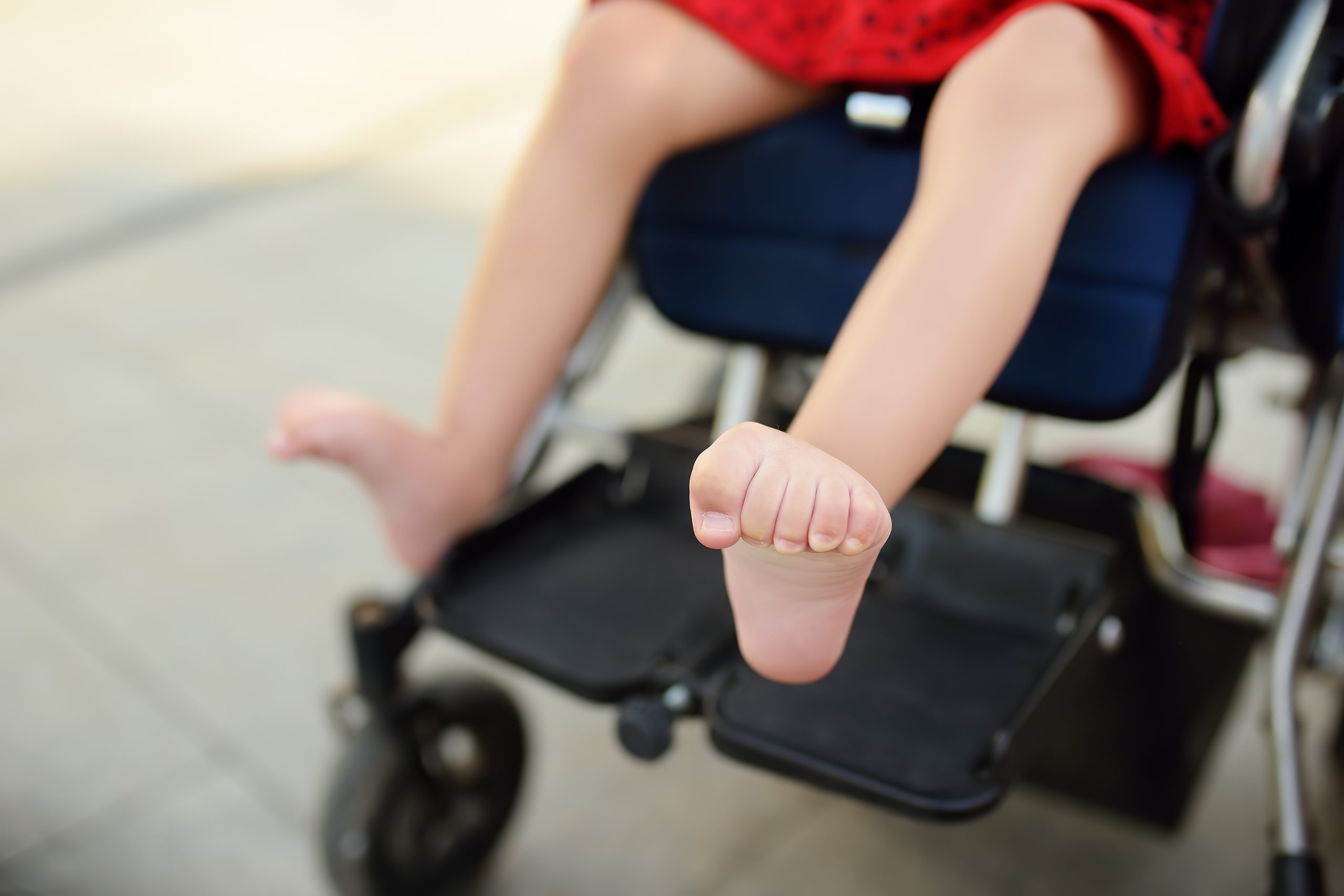

The muscles of the body maintain a “normal muscle tone,” a level of muscle tension that allows us to stay upright. However, when the tension in the muscles increases, they become rigid and are said to be “spastic.” When muscles become spastic, their range of motion decreases, and this can cause pain.
Muscle spasticity has been defined as a sensory-motor control disorder resulting from upper motor neuron (UMN) injury, characterized by intermittent or sustained involuntary activation of the muscles.
What are the characteristics of spasticity?
After an acute episode of brain or spinal injury, weakness may appear. The affected limb may have reduced ability to move voluntarily and reflexively.
 Initially, the arm falls parallel to the body when the person is sitting or standing, and the leg becomes loose, bends, and cannot support the body’s weight, making standing and walking difficult. Gradually, signs of spasticity will appear, posture will shift into extension or flaccid flexion, and tension, pain, and resistance to stretching will develop.
Clonus:
Rhythmic involuntary contractions triggered by stretching; these can interfere with walking, transfers, sitting, and personal care.
Spasms:
Sudden involuntary movements that often involve multiple muscle groups and joints in response to somatic or visceral stimuli.
Spastic Dystonia:
A form of muscle hypertonia without triggering factors, due to the inability of motor units to stop firing after voluntary or reflex activity; it causes characteristic postures and contractures of the limbs.
Spastic Contracture:
Inappropriate activation of antagonist muscles during voluntary activity due to lack of reciprocal inhibition, leading to loss of dexterity and slowness in movements.
What are the causes of muscle spasticity?
Structural injuries to the central nervous system at the brain, brainstem, or spinal cord level are very common. Throughout birth and life, there are pathological circumstances that can cause these alterations. Some conditions originate during the gestational period or at the time of birth, whether hereditary, genetic, or acquired. In other cases, the acquired damage occurs later in life—during childhood, adolescence, adulthood, or old age.
The causes are as numerous as the conditions capable of damaging the central nervous system. Among children, cerebral palsy (CP) is a leading cause, while in adults, acquired brain or spinal injuries—such as stroke, multiple sclerosis, traumatic brain injury, spinal cord injuries, tumors, and neurodegenerative disorders—are the most common.
It may appear early or as a late manifestation of the condition. It tends to remain stable or show slight changes over months and years. Over time, the consequences or related problems usually become more severe.
Is muscle spasticity common?
Muscle spasticity is relatively common and affects many groups of people with different underlying conditions equally. It often goes unnoticed. Neither the person with muscle spasticity nor their family usually complain about it.
 The examiner often does not ask about it or fails to notice it, and as a result, appropriate corrective or preventive measures are not taken. It is important to emphasize the need to detect muscle spasticity as early as possible, assess its consequences, and take action with treatment strategies that help the affected person improve functionality, relieve pain, facilitate care, and enhance quality of life.
Can muscle spasticity be prevented?
Muscle spasticity occurs and cannot be entirely prevented. However, if detected early, treatment strategies can be initiated to reduce its intensity and prevent the development of complications.
Can muscle spasticity go away?
If the cause is treatable, and the injury is minimal or reversible, muscle spasticity can become undetectable or even disappear. It is important to detect and treat as early as possible any condition that may damage the central nervous system.
If you would like more information about NeuroAiD II, please fill out this contact form.
"*" indicates required fields


