
Stroke is one of the leading causes of disability and mortality worldwide. Also known as a cerebrovascular accident, it occurs when blood flow to the brain is suddenly interrupted, preventing brain cells from receiving oxygen and nutrients. This interruption can lead to irreversible brain damage if not treated promptly. The term stroke encompasses both ischemic events, caused by clots, and hemorrhagic events, resulting from cerebral bleeding.
Types of Stroke
There are two main types of stroke: ischemic and hemorrhagic. The former accounts for approximately 85% of cases and occurs due to the obstruction of a cerebral artery. This obstruction may result from thrombosis (the formation of a clot within a cerebral artery) or embolism (a clot that forms elsewhere in the body and travels to the brain).
Hemorrhagic stroke, on the other hand, is less common but more lethal. It occurs when a blood vessel ruptures and bleeds into the brain, causing increased pressure that can severely damage brain tissue. This type is frequently associated with uncontrolled hypertension or vascular malformations.
Causes and Risk Factors
Stroke may be caused by multiple risk factors, many of which are modifiable. Arterial hypertension is the main trigger, followed by diabetes, smoking, high cholesterol, obesity, and a sedentary lifestyle. Conditions such as atrial fibrillation, a cardiac arrhythmia that promotes clot formation, also play a significant role.
Age is another important factor. The older the individual, the higher the risk of stroke. However, it can also occur in younger adults, especially in the presence of a family history or unhealthy lifestyle habits.
Warning Signs
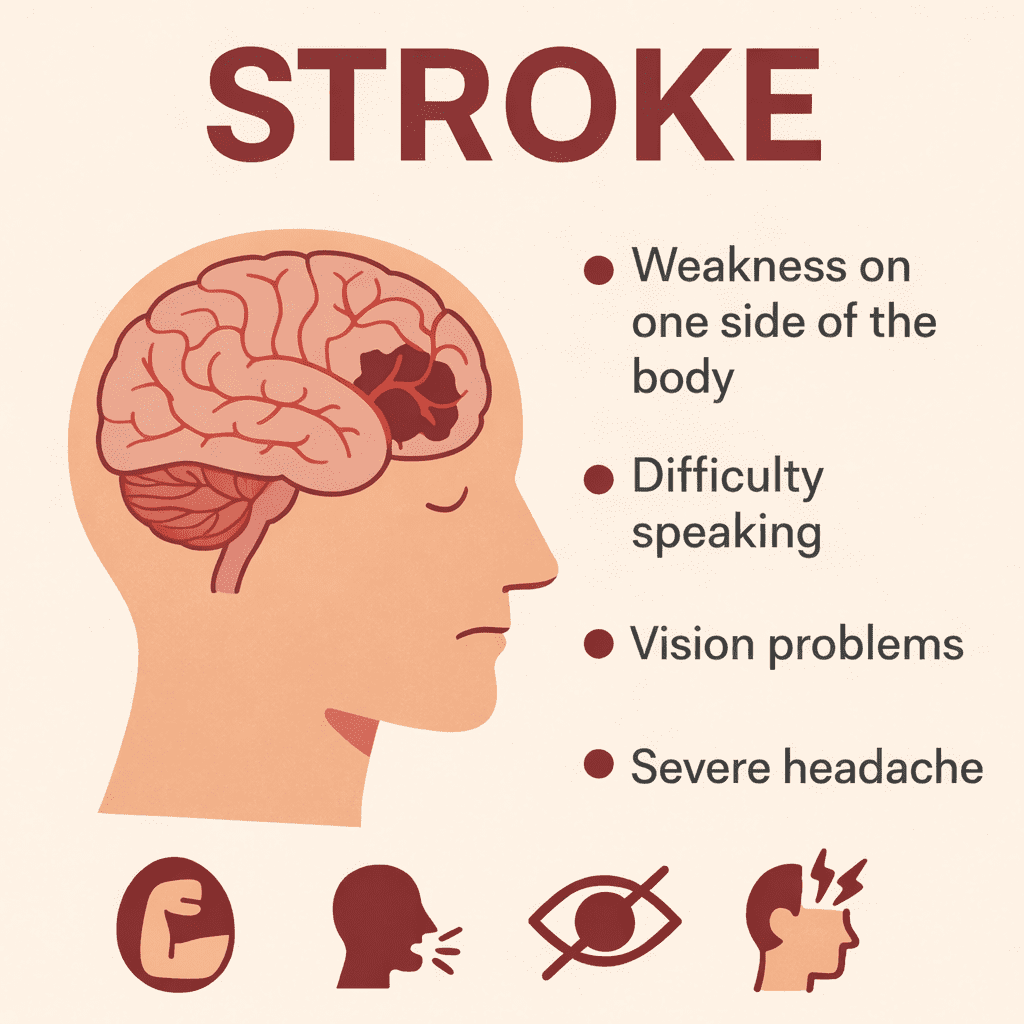
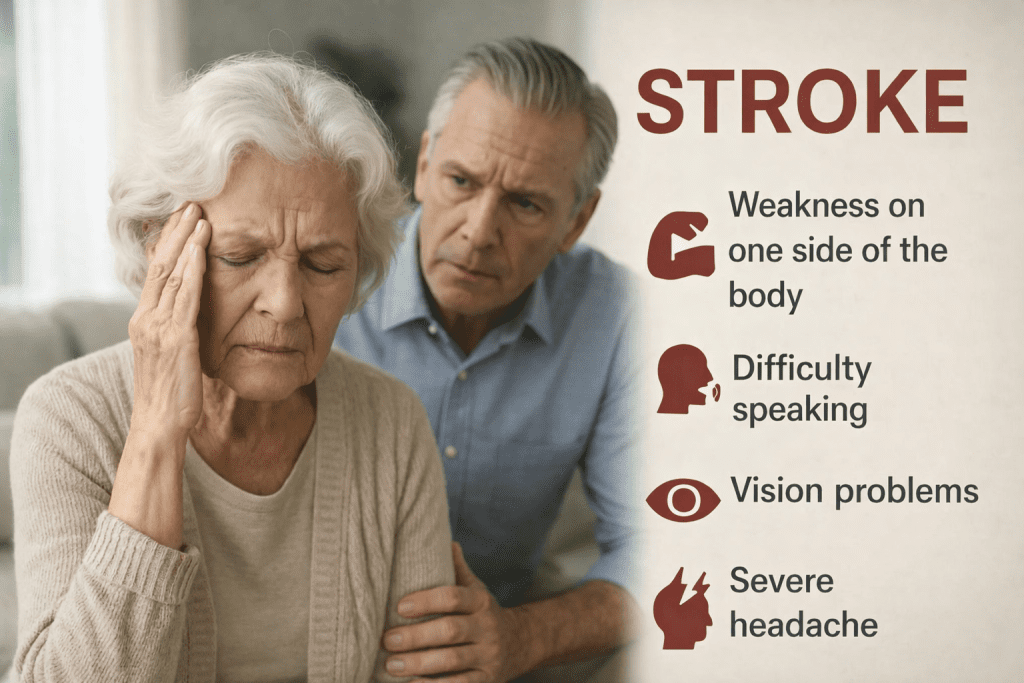
Recognizing the signs of a stroke is essential for prompt action. Symptoms typically appear suddenly and include:
-
Loss of strength or sensation on one side of the body (face, arm, or leg).
-
Difficulty speaking or understanding language.
-
Blurred vision or loss of vision in one or both eyes.
-
Severe headache with no apparent cause.
-
Dizziness, loss of balance, or coordination.
Rapid medical attention is critical. It is often said that time is brain, as millions of neurons are lost with each minute that passes without treatment.
Diagnosis
In suspected stroke, diagnosis is performed using brain imaging techniques such as computed tomography (CT) or magnetic resonance imaging (MRI). These methods allow differentiation between ischemic and hemorrhagic stroke, which is essential for determining the most appropriate treatment.
In addition to imaging studies, blood tests, electrocardiograms, and vascular assessments may be performed to identify the underlying cause of the event.
Treatment
Treatment varies depending on the type of stroke. In the case of ischemic stroke, a thrombolytic agent such as tissue plasminogen activator (rt-PA) may be administered to dissolve the clot if given within the first 4.5 hours from symptom onset. In some cases, more advanced procedures such as mechanical thrombectomy are performed.
Hemorrhagic stroke requires a different approach. In some cases, surgical intervention is needed to stop the bleeding or reduce intracranial pressure. Blood pressure levels are also strictly controlled, and potential complications are managed.
Rehabilitation
After the acute phase is overcome, a rehabilitation process begins, which may last weeks, months, or even years. The goal is to restore motor, cognitive, and language functions affected by the stroke. This process typically involves physiotherapy, occupational therapy, speech therapy, and psychological support.
Recovery depends on the affected brain area, the extent of the damage, and the speed of treatment. Some patients achieve near-complete recovery, while others face permanent disabilities.
Prevention
Stroke prevention is possible through the control of risk factors. Some recommendations include:
-
Monitor blood pressure regularly.
-
Follow a balanced diet, low in salt and saturated fats.
-
Engage in regular physical exercise.
-
Avoid tobacco and limit alcohol consumption.
-
Manage conditions such as diabetes and high cholesterol.
-
Undergo regular medical check-ups, especially if there is a family history of stroke.
In high-risk cases, the physician may recommend the use of anticoagulant or antiplatelet medications to reduce the likelihood of clot formation.
Social and Economic Impact
Stroke not only affects the individual, but also their family and the healthcare system. The consequences may include loss of independence, inability to work, and the need for long-term care. This represents a significant emotional, social, and economic burden.
Prevention and timely treatment can greatly reduce these impacts. Therefore, education and awareness about stroke should be an integral part of public health policies.
Conclusion
Stroke is a medical emergency that requires immediate attention. Recognizing its symptoms, acting quickly, and adopting healthy lifestyle habits are key to reducing its incidence and severity. Although advances in treatment have improved patient outcomes, prevention remains the most powerful tool to combat this condition.
If you would like more information about NeuroAiD II, please fill out this contact form.
"*" indicates required fields


