

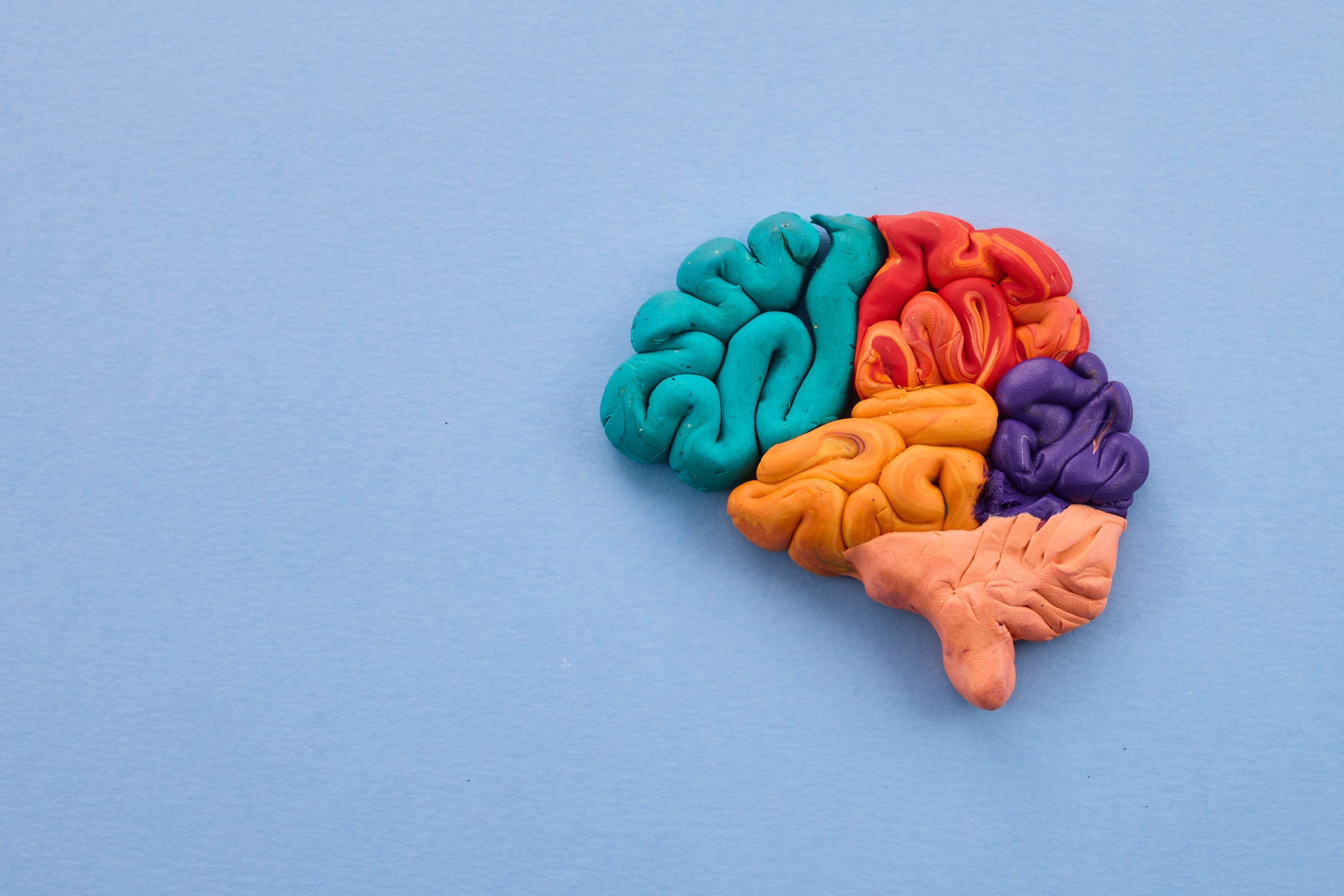

The substantia nigra is an anatomical structure located in the midbrain, which is a region of the brain situated in the middle and upper part of the brainstem. This structure gets its name from its dark coloration, which is due to the presence of a pigment called neuromelanin, which accumulates in the neurons that compose it.
The substantia nigra is divided into two main regions: the pars compacta and the pars reticulata. The pars compacta contains dopaminergic neurons, which are nerve cells specialized in the synthesis and release of dopamine, a neurotransmitter crucial for movement control and motor coordination. These dopaminergic neurons project their axons to other regions of the brain, especially the striatum, the caudate nucleus, and the globus pallidus, forming what is known as the nigrostriatal system.
The nigrostriatal system is fundamental for the regulation of voluntary movements and motor coordination. The dopamine released by the neurons of the substantia nigra acts on specific receptors in the striatum, helping to modulate neuronal activity and facilitating the execution of precise and coordinated movements.
The pars reticulata, on the other hand, plays a role in modulating neuronal activity in the thalamus, a key brain structure in the transmission of sensory information and the regulation of consciousness and attention.
The substantia nigra plays a crucial role
The substantia nigra plays a crucial role in movement control and motor coordination, as it contains neurons that produce dopamine, an important neurotransmitter in the regulation of voluntary movements. These dopaminergic neurons project their axons to areas such as the striatum, the caudate nucleus, and the globus pallidus, forming the nigrostriatal system. The loss of these dopaminergic neurons is associated with movement disorders such as Parkinson’s disease.

The substantia nigra plays several important roles in the brain:
- Dopamine production: The main function of the substantia nigra is the production of dopamine. The dopaminergic neurons in the pars compacta of the substantia nigra synthesize and release this neurotransmitter in the brain. Dopamine is crucial for the modulation of neuronal activity in various brain regions, especially in movement control and motivation.
- Movement regulation: The dopamine produced by the substantia nigra plays a fundamental role in the regulation of voluntary movements and motor coordination. The loss of dopaminergic neurons in the substantia nigra, as occurs in Parkinson’s disease, can lead to the appearance of characteristic motor symptoms such as tremors, muscle rigidity, and bradykinesia (slow movements).
- Nigrostriatal system: The substantia nigra is part of the nigrostriatal system, a neural pathway that connects the substantia nigra with the striatum, a brain structure involved in the planning and execution of movements. This connection is essential for the fine modulation of neuronal activity in the striatum and the precise regulation of movement.
- Regulation of cognition and emotion: In addition to its role in motor control, the substantia nigra is also involved in the regulation of cognitive and emotional processes. The dopamine released by the substantia nigra has effects on other brain areas, such as the prefrontal cortex and the limbic system, which are involved in higher cognitive functions such as attention, memory, and decision-making, as well as in emotional regulation.
In summary, the substantia nigra is a vital structure in the brain that plays a central role in the regulation of movement, motor coordination, and other cognitive and emotional processes through the production of dopamine and its influence on various brain regions.
Function of the substantia nigra
In addition to its role in motor control, the substantia nigra is also involved in other cognitive and emotional processes, due to its connections with other brain areas such as the limbic system.
The functions of the substantia nigra in the brain:
- Dopamine production: The main function of the substantia nigra is the synthesis and release of dopamine, a neurotransmitter crucial for communication between neurons in the brain. Dopamine plays a fundamental role in a wide range of neurological functions, including the regulation of movement, cognition, motivation, and mood.
- Regulation of movement and motor coordination: The dopamine produced by the substantia nigra is involved in the regulation of voluntary movements and motor coordination. In particular, the connection of the substantia nigra with the striatum (a structure related to movement) through the nigrostriatal system allows precise modulation of neuronal activity underlying the execution of smooth and coordinated movements.
- Participation in the nigrostriatal system: The substantia nigra is part of the nigrostriatal system, a neural pathway that connects the substantia nigra with the striatum. This connection is essential for regulating the activity of neurons in the striatum, which in turn influences movement execution and motor coordination.
- Modulation of neuronal activity in other brain regions: In addition to its role in motor control, the dopamine released by the substantia nigra also has effects on other brain regions, such as the prefrontal cortex and the limbic system. These areas are involved in higher cognitive functions such as attention, memory, decision-making, and emotional regulation, and dopamine helps modulate neuronal activity in these regions to facilitate these functions.
- Regulation of mood and motivation: Dopamine also plays an important role in regulating mood and motivation. Low dopamine levels in certain areas of the brain have been associated with mood disorders such as depression, while dopaminergic overactivity may be related to psychiatric disorders such as schizophrenia.
In summary, the substantia nigra plays a crucial role in movement control, motor coordination, cognition, mood, and motivation through the production and release of dopamine, as well as its influence on neuronal activity in various brain regions.

Disorders that affect the substantia nigra
The degeneration of dopaminergic neurons in Parkinson’s disease can cause symptoms such as tremors, muscle rigidity, bradykinesia (slow movements), and difficulties with balance and motor coordination.
Neurological disorders associated with substantia nigra dysfunction:
- Parkinson’s disease: This is the most well-known disorder related to substantia nigra dysfunction. In Parkinson’s disease, there is a progressive loss of dopaminergic neurons in the pars compacta of the substantia nigra. This loss of dopaminergic nerve cells leads to a decrease in dopamine levels in the brain, resulting in the characteristic motor symptoms of the disease, such as resting tremors, muscle rigidity, bradykinesia (slow movements), and problems with balance and coordination. Parkinson’s disease can also present non-motor symptoms, such as cognitive problems, sleep disorders, and depression.
- Multiple System Atrophy (MSA): MSA is a neurodegenerative disorder that primarily affects the autonomic nervous system and the motor system. It is characterized by the degeneration of several brain structures, including the substantia nigra. Symptoms may include problems with balance and coordination, autonomic dysfunction (such as issues with blood pressure and sexual function), muscle rigidity, and difficulty speaking.
- Progressive Supranuclear Palsy (PSP): PSP is a rare neurodegenerative disorder that causes progressive impairment in movement and cognitive function. It is characterized by the degeneration of nerve cells in several parts of the brain, including the substantia nigra. Common symptoms include balance and gait problems, muscle rigidity, difficulty looking up and down, personality changes, and cognitive problems.
- Dystonia: Dystonia is a movement disorder characterized by involuntary muscle contractions that cause abnormal movements and postures. Although dystonia can have multiple causes, it has been linked to substantia nigra dysfunction in some cases. Dystonia can affect different parts of the body and may be primary (with no known underlying cause) or secondary to other neurological conditions.
- Depression and other mood disorders: Dysfunction of the substantia nigra and reduced dopamine levels may also be associated with mood disorders such as depression. It has been observed that patients with Parkinson’s disease have a higher risk of developing depression, suggesting a connection between substantia nigra dysfunction and mood disorders.
In summary, dysfunction of the substantia nigra is associated with several neurological disorders that can affect both movement and cognitive and emotional function. These disorders can have a significant impact on patients’ quality of life and often require a multidisciplinary approach for their management and treatment.
Conclusion
In summary, the substantia nigra plays a crucial role in the regulation of movement, motor coordination, and other cognitive and emotional processes through the production and release of dopamine. Dysfunction of the substantia nigra, which may manifest in disorders such as Parkinson’s disease, multiple system atrophy, progressive supranuclear palsy, and dystonia, can have a significant impact on patients’ quality of life. In addition, the connection between substantia nigra dysfunction and mood disorders highlights the importance of understanding the complex interaction between the dopaminergic system and mental health. A multidisciplinary approach encompassing neurology, psychiatry, and rehabilitation is essential to comprehensively address these disorders and improve patients’ quality of life.
If you would like more information about NeuroAiD II, please fill out this contact form.
"*" indicates required fields


