
An ischemic stroke is the death of an area of brain tissue (cerebral infarction) due to an insufficient supply of blood and oxygen to the brain caused by the blockage of an artery.
 Detecting the symptoms of cerebral ischemia is crucial. Early medical attention and proper treatment are essential to prevent the development of the aftereffects of cerebral ischemias.
For the brain to function properly, it needs oxygen. Arteries carry oxygen-rich blood to all parts of the brain. If something blocks the blood flow, brain cells begin to die within minutes because they are not receiving oxygen. This causes a stroke.
General characteristics
In general, the symptoms of cerebral ischemia occur suddenly and worsen significantly within minutes. Most ischemic strokes begin abruptly, progress rapidly, and cause brain tissue death within minutes or hours.
Approximately 75% of all strokes are ischemic strokes. Their consequences on the brain are often catastrophic, and the symptoms they produce are highly disabling.
Strokes caused by an embolus often occur during the day, and the first symptom may be a headache. Strokes caused by a blood clot in a narrowed artery often occur at night, and the affected person first notices it upon waking up.
Main symptoms of cerebral ischemia
To understand the different causes of an ischemic stroke and thus prevent the symptoms of cerebral ischemia, I recommend reviewing the main causes.
Symptoms of cerebral ischemia include:
- Difficulty speaking and understanding what others are saying. One may experience confusion, trouble articulating words, or understanding what is being said.
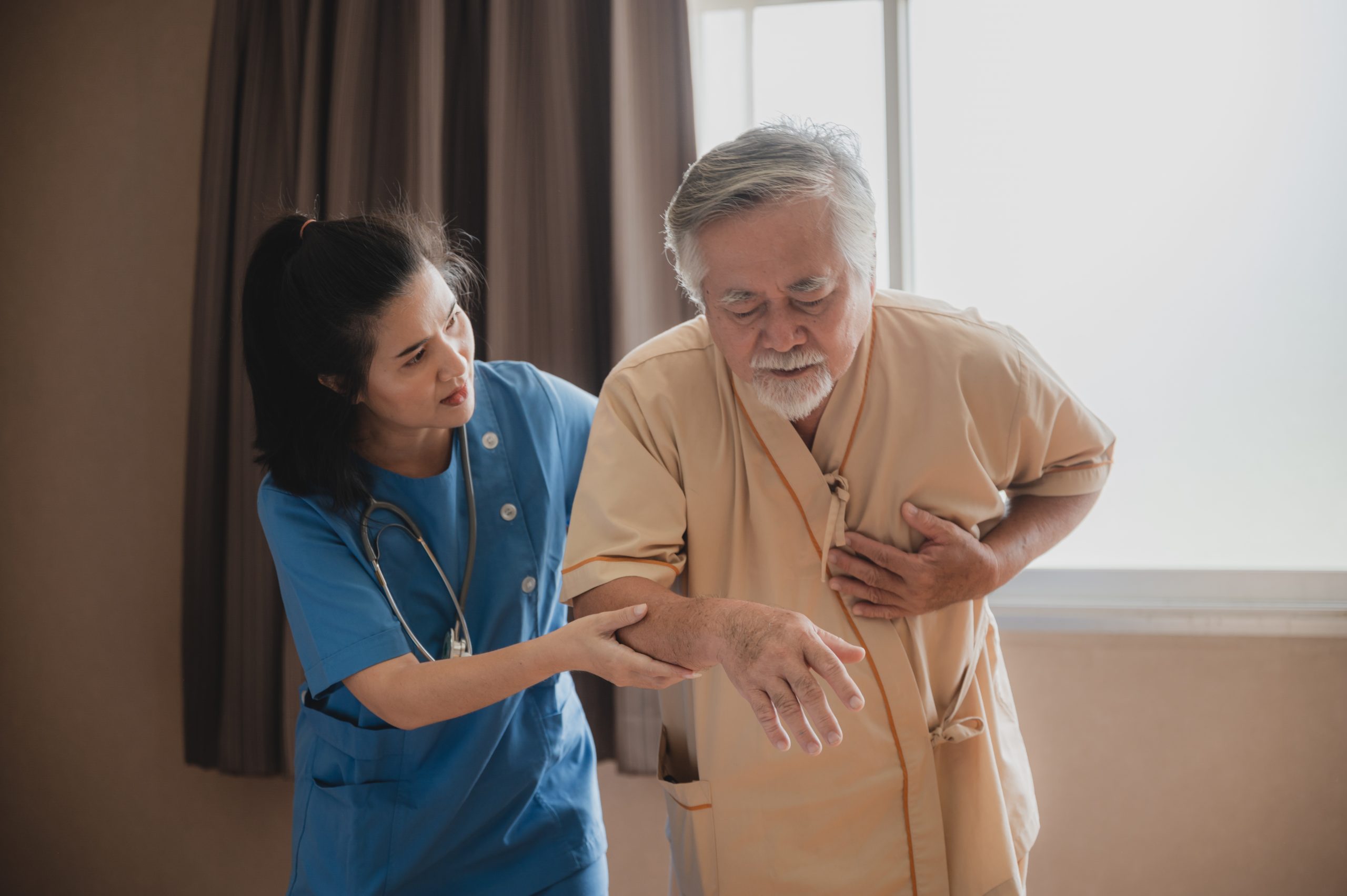
- Paralysis or numbness of the face, arm, or leg. You may experience sudden numbness, weakness, or paralysis in the face, arm, or leg. This often affects only one side of the body. Try raising both arms above your head at the same time. If one arm begins to fall, you may be having a stroke. Additionally, one side of your mouth may droop when you try to smile.
- Vision problems in one or both eyes. Suddenly, you may experience blurred or darkened vision in one or both eyes, or you may see double.
- Headache. A sudden and severe headache, which may be accompanied by vomiting, dizziness, or altered consciousness, can indicate that you are having a stroke.
- Walking difficulties. You may stumble or lose your balance. You may also experience sudden dizziness or loss of coordination.
It is important to determine whether the patient in question, presenting such symptoms, has a history of high cholesterol, blood sugar, triglycerides, or high blood pressure. These factors are symptoms of cerebral ischemia that can contribute to the occurrence of an ischemic stroke.
If the relationship between the symptoms is clear, it is advised that the patient visit a medical center as soon as possible, since in ischemic strokes, time is critical. The patient must be supervised by the appropriate medical staff (it is recommended to be monitored by a neurosurgeon) and undergo the necessary tests to identify and determine the cause.
Act according to the F.A.S.T. recommendations to identify a stroke
If you think someone may be having a stroke, act according to the F.A.S.T. recommendations and perform the following test to help identify the symptoms of cerebral ischemia:
 F – Face: Ask the person to smile. Is one side of the face drooping?
A – Arms: Ask the person to raise both arms. Does one arm drift downward?
S – Speech: Ask the person to repeat a simple phrase. Is the speech slurred or are they saying strange things?
T – Time: If you observe any of these signs, contact emergency services as soon as possible.
When a cerebral ischemia occurs, it is urgent to go to a medical care center to preserve the life of the affected person and to reduce the potential damage caused by cellular destruction.
Detecting the symptoms of cerebral ischemia is crucial; time is vital in preventing neuronal deterioration.
At the medical level, substances can be injected to help dissolve clots, or surgery may be required to remove them.
Once the highest-risk stage has passed, the patient must undergo an evaluation to determine their neuropsychological condition. This is essential for assessing both motor and cognitive functions.
Individualized treatment is usually the most appropriate approach for neuropsychological rehabilitation, aiming to promote the recovery or, at the very least, the compensation of the functions that have been affected.
If you would like more information about NeuroAiD II, please fill out this contact form.
"*" indicates required fields


