

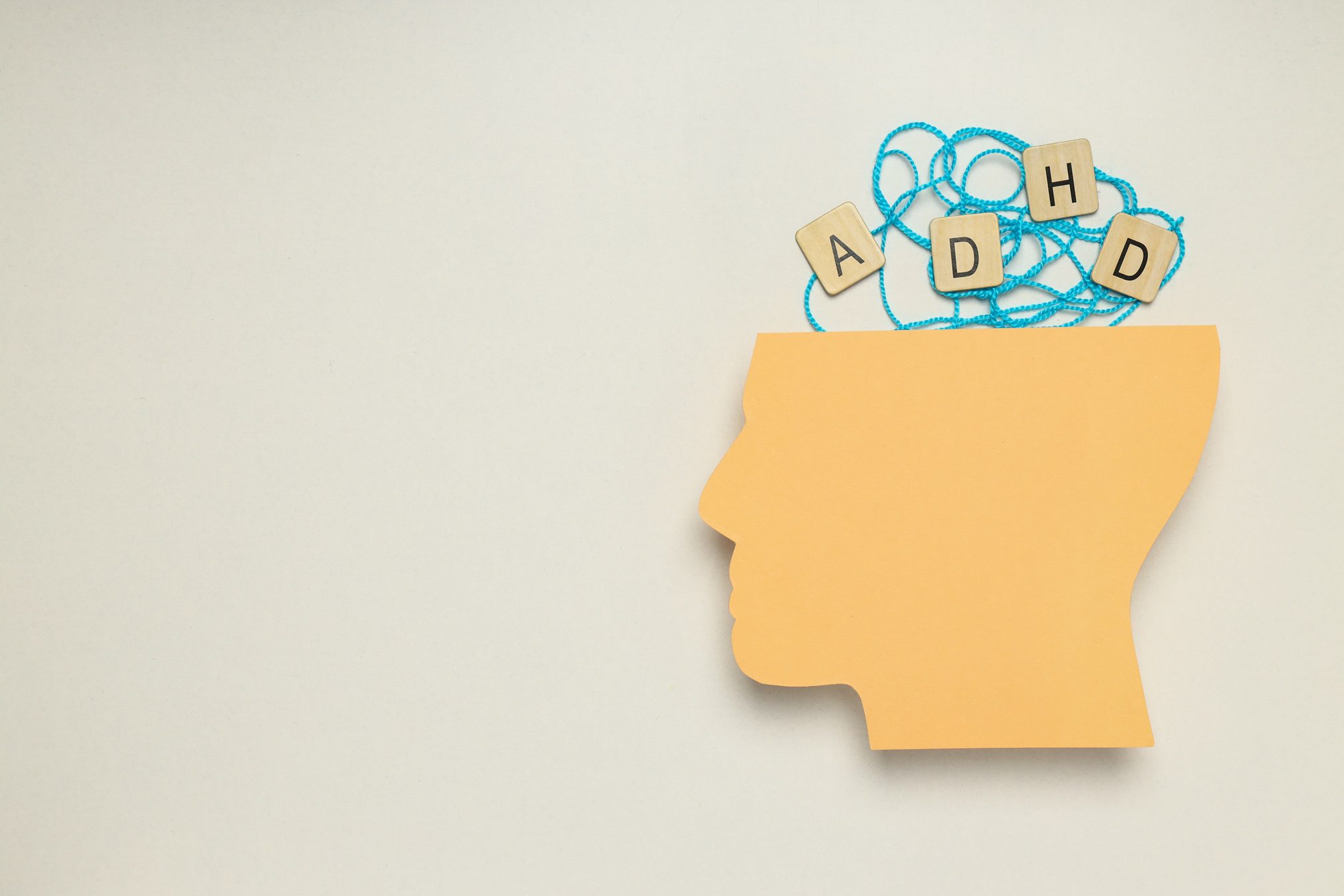

Attention Deficit Hyperactivity Disorder (ADHD) is one of the most common neurodevelopmental disorders in childhood and can persist into adolescence and even adulthood. ADHD is characterized by symptoms such as inattention, hyperactivity, and impulsivity, which can interfere with daily activities and affect the quality of life of those who have it. Although it is most commonly diagnosed in children, many adults also live with the disorder, often without being diagnosed until later in life.
What is Attention Deficit Hyperactivity Disorder (ADHD)?

ADHD is a neurodevelopmental disorder that affects a person’s ability to pay attention, control impulses, and regulate their level of physical activity. The symptoms are grouped into two main categories:
- Inattention: Difficulty maintaining focus, completing tasks, or following instructions. People with inattentive ADHD often appear disorganized, distracted, and forgetful.
- Hyperactivity and impulsivity: This includes an excessive level of physical activity (such as fidgeting or talking excessively) and difficulties controlling impulses (such as interrupting others or acting without thinking).
It is important to note that not all people with ADHD present the same symptoms. Some may be predominantly inattentive, while others may display hyperactivity and impulsivity. There is also a combined type, which is the most common and includes both categories of symptoms.
Causes of ADHD
Although the exact cause of ADHD is not known, researchers have identified several factors that may contribute to the development of the disorder. Possible causes and risk factors include:
- Genetic factors: ADHD tends to be hereditary. Studies have shown that children with close relatives who have ADHD are more likely to develop the disorder.
- Neurological factors: People with ADHD have been observed to show structural differences in brain areas related to attention and impulse control, such as the prefrontal cortex. These differences may affect how the brain processes and regulates behavior.
- Chemical imbalances: Neurotransmitters such as dopamine and norepinephrine play a crucial role in regulating attention and behavior. Studies suggest that people with ADHD may have abnormal levels of these neurotransmitters, which affects their ability to regulate attention and impulsivity.
- Prenatal exposure: The use of alcohol, tobacco, or other substances during pregnancy, as well as exposure to environmental toxins, can increase the risk of a child developing ADHD.
- Environmental factors: Some studies suggest that exposure to high levels of lead in childhood, premature birth, or low birth weight may be related to the development of ADHD.
Symptoms of ADHD
ADHD symptoms can vary depending on age and sex, but they are generally classified into two broad categories: inattention and hyperactivity/impulsivity. Below are some of the most common symptoms in each category:
- Inattention:
- Difficulty concentrating on tasks or activities.
- Making careless mistakes in schoolwork or other activities.
- Difficulty following instructions or completing tasks.
- Appears not to listen when spoken to directly.
- Difficulty organizing tasks and activities.
- Avoiding or resisting tasks that require sustained mental effort.
- Losing items necessary for daily activities, such as books, keys, or school supplies.
- Hyperactivity and impulsivity:
- Constantly moving or fidgeting in situations where remaining still is expected (such as in class).
- Running or climbing in inappropriate situations.
- Talking excessively or interrupting others during a conversation.
- Difficulty waiting for their turn or standing in line.
- Acting impulsively without thinking about the consequences.
- Interrupting or intruding on others’ activities.
Diagnosis of ADHD
The diagnosis of ADHD can be complex and requires a comprehensive evaluation by a specialized health professional, such as a child psychologist or psychiatrist. A combination of interviews, questionnaires, and observations is often used to assess the behavior of the child or adult.
- Clinical evaluation: The physician will collect information about medical history, symptoms, family background, and observed behaviors both at home and in school or the workplace.
- Diagnostic criteria: Physicians use the criteria from the Diagnostic and Statistical Manual of Mental Disorders (DSM-5) to diagnose ADHD. According to the DSM-5, symptoms must be present for at least six months and be disproportionate to the individual’s developmental level.
- Additional tests: In some cases, psychological tests or cognitive function assessments may be conducted to obtain a more complete picture of the impact of ADHD on daily life.
Treatment of ADHD
The treatment of ADHD is based on a multimodal approach that combines medication, behavioral therapy, and environmental adjustments. Below are the most common treatment options:
- Medications:
- Stimulants such as methylphenidate (Ritalin) and amphetamines (Adderall) are the most commonly prescribed medications for ADHD. They help increase attention and reduce impulsivity and hyperactivity.
- There are also non-stimulant medications, such as atomoxetine, which can be effective for some individuals.
- Behavioral therapy:
- Behavioral therapy helps people with ADHD develop strategies to manage their symptoms. Techniques include establishing routines, organizing tasks, and teaching skills to manage time and attention.
- Parents and teachers can also benefit from training in behavioral management techniques to better support children with ADHD.
- Environmental modifications:
- At school, children with ADHD may benefit from accommodations such as extra time to complete tasks, preferential seating, or breaking down large projects into smaller, more manageable parts.
- In the workplace, adults with ADHD may find it helpful to set up reminder systems, organize their workspace effectively, and request reasonable accommodations from their employers.
- Family counseling: Since ADHD can affect family relationships, counseling can help improve communication and manage the stress associated with the disorder.
ADHD in adults

Although ADHD is most often diagnosed in childhood, many people are not diagnosed until adulthood. Adults with ADHD may experience difficulties at work, in relationships, and in managing daily responsibilities.
Symptoms in adults are often more subtle than in children. Problems with organization, chronic procrastination, impulsive decision-making, and difficulty maintaining focus on long-term tasks are some of the most common manifestations of ADHD in adults.
Treatment for adults with ADHD generally includes a combination of medication and cognitive-behavioral therapy, focused on teaching practical skills for time management and better organization.
Managing ADHD across the lifespan
ADHD is a chronic disorder, but with proper treatment, many people can learn to manage their symptoms and lead full and productive lives. Some key strategies for long-term ADHD management include:
- Establishing structured routines: People with ADHD often benefit from setting regular schedules and routines to improve organization and reduce distraction.
- Developing coping skills: Through behavioral therapy and skills training, individuals can learn to manage impulsivity and improve concentration.
- Family and social support: Having a strong support network, including family, friends, and healthcare professionals, is essential for successful ADHD management.
- Continuous education: As knowledge about ADHD evolves, it is important for patients and their families to stay informed about new treatment and management strategies.
Conclusion
ADHD is a complex disorder that affects millions of people worldwide. Although it can present significant challenges, early diagnosis and proper treatment can make a remarkable difference in the lives of those affected. With the right support, both children and adults with ADHD can learn to manage their symptoms, improve their coping skills, and reach their full potential.
If you would like more information about NeuroAiD II, please fill out this contact form.
"*" indicates required fields


