
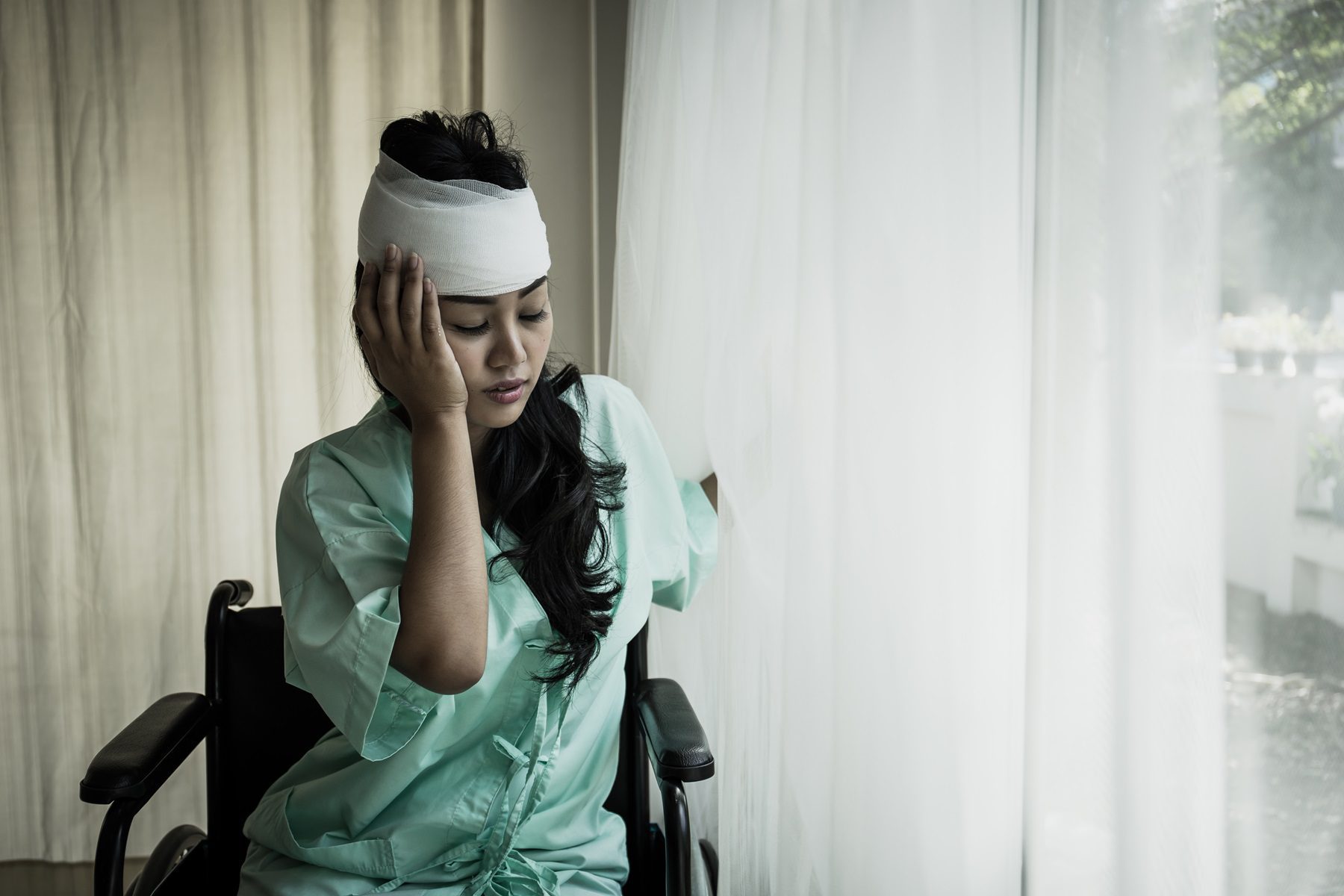

Traumatic Brain Injury (TBI) refers to any traumatic lesion that affects the brain, usually caused by a violent blow or jolt to the head. These injuries can range from mild concussions to severe damage resulting in permanent brain impairment.
What is Traumatic Brain Injury?

Traumatic brain injury occurs when an external force strikes the head, causing damage to the brain. It can be classified into two main types:
- Closed TBI: The skull remains intact, but the brain is injured due to the force of the impact.
- Open or penetrating TBI: An object pierces the skull and directly damages the brain tissue.
The severity of TBI is generally classified into three levels:
- Mild (concussion): May cause temporary loss of consciousness, confusion, or headache.
- Moderate: Involves prolonged symptoms such as confusion or memory loss.
- Severe: Characterized by prolonged loss of consciousness and significant brain damage.
Causes of Traumatic Brain Injury
TBI can result from various causes, most commonly related to accidents and violent events. The main causes include:
- Traffic accidents: These are the leading cause of TBI, especially among young individuals. Car, motorcycle, or bicycle collisions often result in direct head impacts or sudden jolts that damage the brain.
- Falls: Particularly common among children and the elderly, accidental falls can lead to severe traumatic brain injuries. Falls from heights or staircases are especially hazardous.
- Sports injuries: Contact sports such as American football, boxing, or rugby, as well as activities like skiing or cycling, can cause TBI, especially when proper protective equipment is not used.
- Violence: Direct blows to the head during fights, assaults with blunt objects, or gunshot wounds can result in severe traumatic brain injury.
- Workplace accidents: In certain sectors such as construction or manufacturing, workers are at risk of head injuries due to falling objects or impacts with machinery.
Sequelae of Traumatic Brain Injury
The sequelae of a TBI can vary widely and affect different areas of physical, cognitive, and emotional functioning. The most common aftereffects include:
- Physical sequelae:
- Chronic headaches: Many individuals who have suffered a TBI experience persistent headaches, which may last for months or even years after the injury.
- Motor impairments: Coordination, balance, and muscle strength may be affected, leading to difficulties in walking or performing daily activities.
- Motor impairments: Coordination, balance, and muscle strength may be affected, leading to difficulties in walking or performing daily activities.
- Cognitive sequelae:
- Memory loss: Amnesia, both anterograde (difficulty forming new memories) and retrograde (loss of past memories), is common after a TBI.
- Difficulty with concentration and attention: Affected individuals may struggle to focus, maintain attention, or carry out tasks that require organized thinking.
- Language difficulties: The ability to speak, understand, read, or write may be impaired, especially if the injury affects the brain areas responsible for language.
- Emotional and behavioral sequelae:
- Personality changes: After a TBI, many individuals experience shifts in behavior or personality, becoming more impulsive, irritable, or emotionally unstable.
- Depression and anxiety: Brain injuries can trigger mood disorders, increasing the risk of depression and anxiety.
- Emotional regulation problems: TBI can impair the ability to control emotions, leading to outbursts of anger or episodes of uncontrollable crying.
- Autonomic and sensory sequelae:
- Sensory disturbances: Individuals with TBI may experience changes in vision, hearing, or smell, which impair sensory perception.
- Sleep disturbances: Insomnia, frequent nighttime awakenings, or chronic fatigue are common after a TBI, negatively impacting the recovery process.
Diagnosis of Traumatic Brain Injury

Accurate diagnosis of TBI is essential to determine the severity of the injury and to plan appropriate treatment. Common diagnostic tests include:
- Clinical evaluation: The physician performs a neurological examination to assess the patient’s level of consciousness, responsiveness to stimuli, and to check for signs of injury such as memory loss or impaired coordination.
- Glasgow Coma Scale (GCS): This tool is used to assess the severity of TBI based on the patient’s ability to open their eyes, respond verbally, and move. A lower GCS score indicates a more severe injury.
- Computed Tomography (CT) Scan: CT is the most commonly used test to detect skull fractures, bleeding, swelling, or damage to the brain.
- Magnetic Resonance Imaging (MRI): Provides more detailed images of brain structures and is useful for evaluating minor injuries or long-term damage not clearly visible on a CT scan.
- Intracranial pressure monitoring: In cases of severe TBI, it may be necessary to monitor the pressure inside the skull to prevent further brain damage.
Treatments for Traumatic Brain Injury
Treatment for TBI depends on its severity. Mild cases may require rest and observation, while severe injuries need immediate medical intervention and intensive rehabilitation. The most common approaches include:
- Initial treatment:
- Emergency care: Stabilizing the patient is the top priority, ensuring the airway is clear and the head is immobilized to prevent further injury.
- Surgery: In some cases, surgical intervention may be necessary to relieve intracranial pressure, drain hematomas, or repair skull fractures.
- Medications:
- Diuretics and anticonvulsants: These are administered to reduce swelling and prevent seizures, which can be life-threatening if left untreated.
- Pain relievers: Medications are used to manage chronic pain, including headaches and other physical symptoms of TBI.
- Physical and cognitive rehabilitation: In severe cases, rehabilitation is essential to help the patient regain motor, cognitive, and emotional functions. Rehabilitation typically includes physical therapy, occupational therapy, and speech therapy.
- Complementary therapies: Cognitive behavioral therapy (CBT) can be helpful in managing behavioral changes and emotional challenges following TBI, along with participation in support groups for affected individuals and their families.
Rehabilitation of Traumatic Brain Injury
Rehabilitation is a key component in TBI recovery and varies depending on the severity of the injury. The goal is to maximize functional capacity and help the patient adapt to any permanent impairments.
- Physical therapy: Focuses on improving mobility, muscle strength, and coordination. Balance exercises and motor retraining are common, especially for patients with difficulty walking.
- Occupational therapy: Helps individuals regain independence in daily activities such as dressing, eating, and maintaining personal hygiene.
- Speech and language therapy: Essential for patients with communication difficulties or swallowing problems.
- Neuropsychological rehabilitation: Focuses on improving cognitive functions such as memory, attention, and problem-solving skills, helping patients reintegrate into work and social activities.
- Emotional and psychological support: Psychological therapy is essential for coping with emotional, behavioral, and personality changes that may arise after a TBI. Support groups also play a significant role in the recovery process.
Prognosis and Quality of Life After Traumatic Brain Injury
The prognosis for individuals who suffer a TBI depends on many factors, including the severity of the injury and the speed at which treatment is received. Mild injuries usually resolve with few long-term effects, but severe cases can result in permanent disabilities.
Despite the aftereffects, proper rehabilitation can significantly improve the quality of life for those affected, allowing them to regain much of their independence and function.
El traumatismo craneoencefálico es una lesión compleja que requiere un enfoque integral para su diagnóstico, tratamiento y rehabilitación. Es fundamental educar a las personas sobre los riesgos, síntomas y la importancia de una atención médica rápida para mejorar los resultados a largo plazo.
If you would like more information about NeuroAiD II, please fill out this contact form.
"*" indicates required fields


