
When we hear the phrase “you survive a stroke,” many people think of a miracle or unexpected luck. However, behind every case of survival there is a combination of medical factors, personal habits, and in some cases, timely intervention that makes the difference.
What is a stroke?

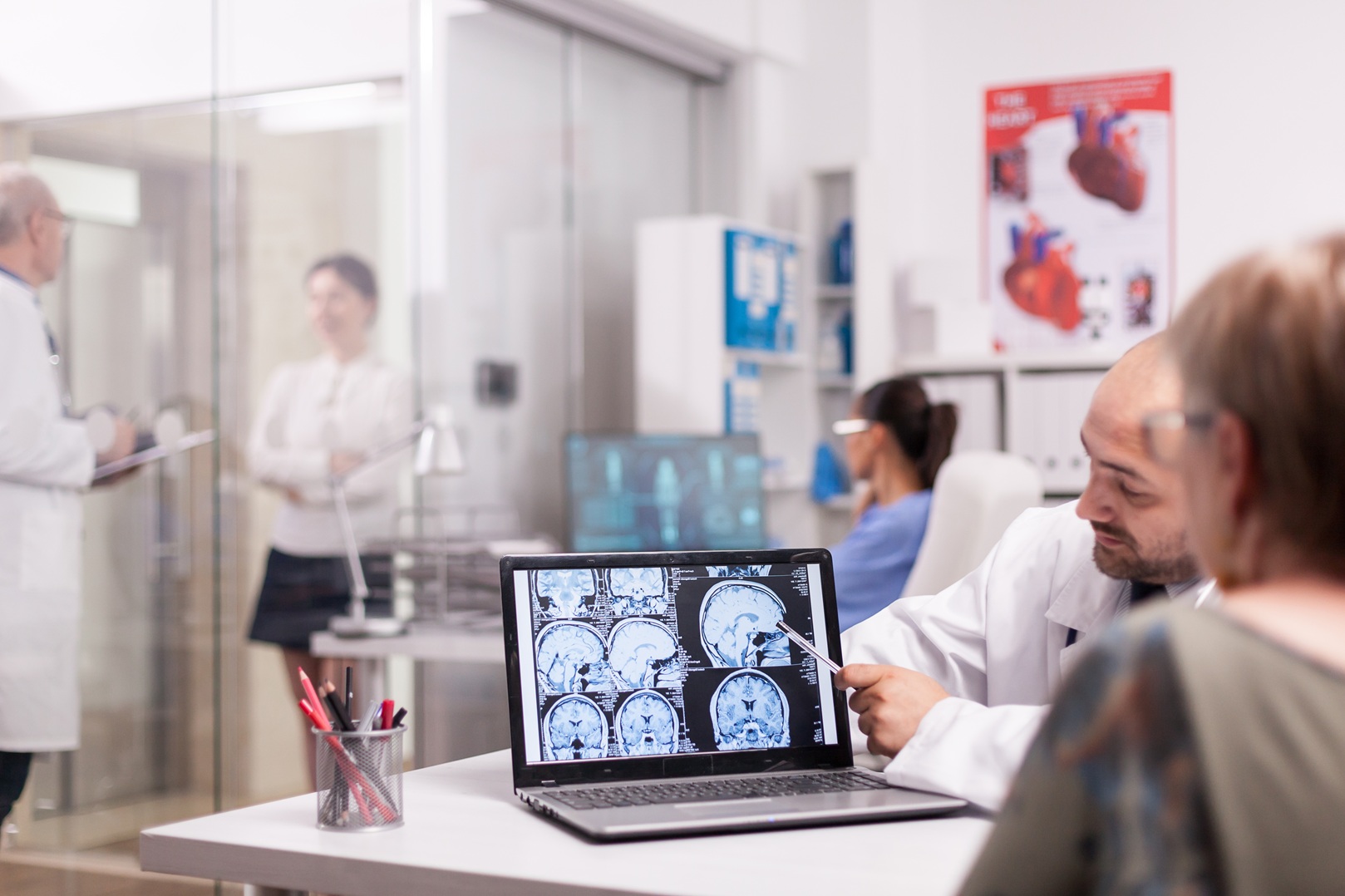
A stroke, also known as a cerebrovascular accident (CVA), occurs when blood flow to a part of the brain is interrupted. This can happen due to an artery blockage (ischemia) or the rupture of a blood vessel (hemorrhage). The consequences can range from mild motor difficulties to permanent neurological damage or even death.
Factors that determine whether you survive a stroke
You survive a stroke when certain key elements align. These include:
-
Response time: time is critical. The faster treatment is administered, the greater the chances of recovery.
-
Type of stroke: ischemic strokes have a more defined treatment, such as the use of thrombolytics. Hemorrhagic strokes usually require urgent surgery.
-
Age and overall health status: a young person without chronic illnesses has a higher likelihood of overcoming a stroke.
-
Access to specialized medical care: living near a medical center with a stroke unit exponentially improves the chances of surviving a stroke.
Warning signs that could save your life

Recognizing the initial symptoms can be the difference between life and death. Among them are:
-
Sudden loss of strength on one side of the body
-
Difficulty speaking or understanding
-
Blurred vision
-
Severe and unexplained headache
If you or someone nearby shows these signs, call emergency services immediately. Remember: you survive a stroke if you act without delay.
Prevention: the silent key to avoiding a fatal outcome
Although surviving a stroke cannot be guaranteed in every case, you can drastically reduce the chances of having one. How?
-
By controlling high blood pressure
-
By maintaining a healthy weight
-
By avoiding smoking and excessive alcohol consumption
-
By engaging in regular physical activity
-
By managing conditions such as diabetes and high cholesterol
Prevention is not a promise that you will survive a stroke, but it is your best shield.
And after the stroke?
Many people wonder if it is possible to lead a normal life after a stroke. The answer is yes, as long as there is an appropriate rehabilitation plan. If you survive a stroke, you will likely face physical or cognitive aftereffects. However, with occupational therapy, speech therapy, and neurorehabilitation, significant progress can be made.
Conclusion
When someone says “you survive a stroke,” they are summarizing a complex chain of decisions, health factors, and medical support. It is not just about luck: it is about education, prevention, speed, and access. That is why talking about stroke openly, educating the population, and promoting healthy habits are the best tools we have to truly survive a stroke.
If you would like more information about NeuroAiD II, please fill out this contact form.
"*" indicates required fields


