
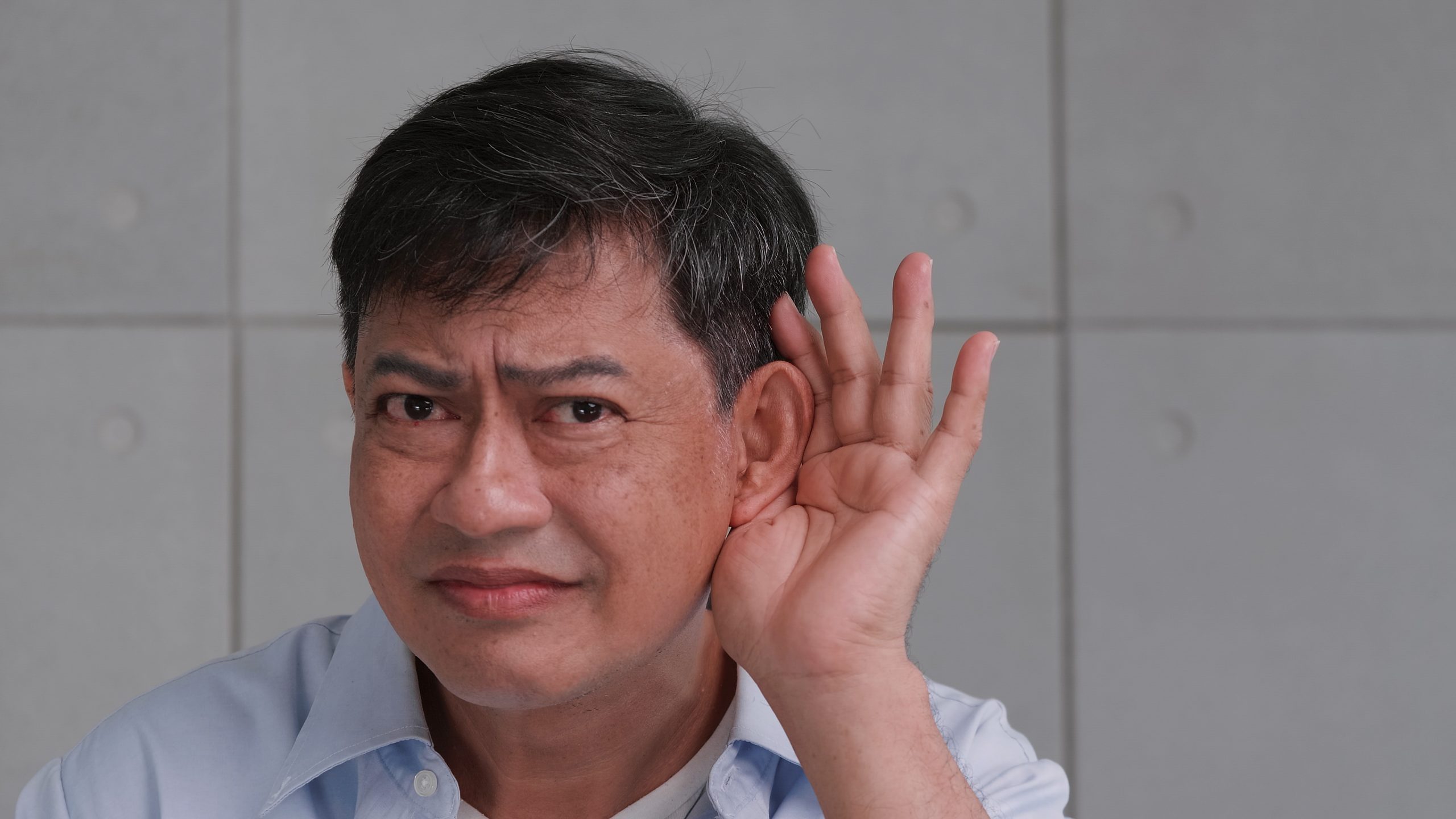

Feeling helpless when unable to find the exact word to name an object or describe a situation. This is the main characteristic of anomic aphasia.
In this article, you will find basic and simple exercises to practice and fully support you in the rehabilitation process.

It is important to remember that anomic aphasia, as a concept, refers to the phenomenon of having a word “on the tip of the tongue,” often leading to a sense of frustration in speech. People with anomic aphasia understand language well and are able to repeat words and sentences.
Anomic or nominal aphasia is caused by a lesion in the left inferior temporal gyrus or a lesion in the angular gyrus (inferior longitudinal fasciculus). It is characterized by severe difficulties in recalling words and names,  naming problems, spontaneous speech with short phrases, fluent language, preserved word repetition, and preserved language comprehension.
Characteristics of Anomic Aphasia
Oral Expression
- It is fluent, as sentence length falls within the normal average range
- Their speech may be interrupted by pauses during lexical retrieval, often providing descriptions instead of the specific word they are unable to recall
- The main characteristic is the use of an appropriate circumlocution to achieve naming
Auditory Comprehension
- Intact
Reading and Writing
- Reading is intact
- En la escritura presentan problemas a la hora de la elección de palabras que quieren escribir.
Rehabilitation Exercises for Anomic Aphasia
Affected Area
Brain lesion in the left (dominant) hemisphere, specifically in the middle and posterior parts of the left middle and inferior gyri.
Communication
Fluently, with excessive use of circumlocutions and lexical retrieval attempts.
Therapeutic Period
- Speech and Language Therapy (Speech-Language Pathology)
- Educational Psychology
- Other Disciplines According to Needs
Treatment Objectives
- Propose competencies for language improvement by carrying out exercises primarily focused on naming
- Keep the patient verbally active
- Relearn everyday language
- Provide psychological support to the patient
Treatment Exercises
- Name words and ask the person to tell you what they mean.
- Name objects in the room and have the person point to them
- Ask the person to name objects in the room, such as a chair, a lamp, or a painting.
- Describe an object and have the person name it. For example, the object is something used to cut paper, and the word is scissors.
- Say a word and have the person say a word that means the opposite. For example, hot and cold.
- Ask the person to name as many objects as possible from the same category. For example, one category is fruit, and oranges, apples, and grapes are all fruits.
- Name three things and ask the person to tell you what they have in common. For example, tiger, giraffe, and lion are all animals.
- Ask the patient to name the parts of the body shown on flashcards.
- We ask the patient to name objects found around us.
- We will say a word and ask them to tell us its opposite.
- We will ask them to point to different objects that we name.
- We will say a word, and the patient will have to create a sentence with it.
If you would like more information about NeuroAiD II, please fill out this contact form.
"*" indicates required fields


