

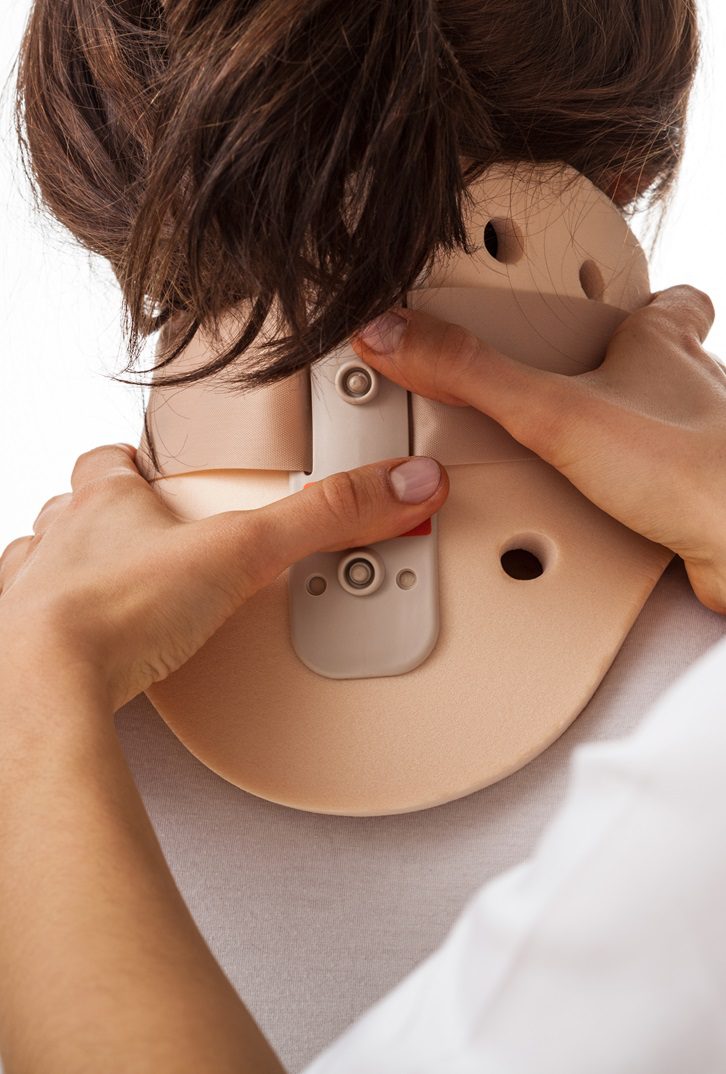

Cervical arterial dissection is a condition that occurs when there is a tear in the wall of the arteries supplying blood to the brain, such as the carotid or vertebral arteries. This tear can lead to clot formation that obstructs blood flow, making it an important cause of stroke, particularly in young and middle-aged individuals.
What is cervical arterial dissection?
Cervical arterial dissection occurs when the layers of the arterial wall separate, allowing blood to flow between them. This can form a hematoma that reduces or blocks blood flow to the brain, or cause clot fragments to embolize and occlude smaller vessels, resulting in an ischemic stroke.
This condition can affect both the carotid arteries located in the neck and the vertebral arteries in the posterior cervical region.
Main causes of cervical arterial dissection
Cervical arterial dissection can have multiple causes, which are divided into traumatic and spontaneous:
- Traumatic causes:
- Physical injuries: motor vehicle accidents, falls, or contact sports can damage the cervical arteries.
- Cervical manipulation: sudden movements during massage or chiropractic manipulation.
- Spontaneous causes:
- Genetic factors: connective tissue disorders such as Ehlers-Danlos syndrome or Marfan syndrome can weaken arterial walls.
- Arterial hypertension: sustained elevated blood pressure may predispose to arterial rupture.
- Infections: certain viral infections may temporarily weaken arterial walls.
- Minor triggering factors:
- Routine movements such as abrupt neck rotation or forceful coughing.
Symptoms of cervical arterial dissection
Symptoms may vary depending on the affected artery and the severity of the injury, but the most common include:
- Severe headache: localized to one side of the head or neck, it may be the only initial symptom.
- Neck pain: persistent and unresponsive to common analgesics.
- Vision loss or diplopia: particularly if the dissection involves the carotid arteries.
- Vision loss or diplopia: particularly if the dissection involves the carotid arteries.
- Speech disturbances: difficulty articulating words or understanding language.
- Pulsatile tinnitus: perception of rhythmic pulsing in the ear.
Relationship between cervical arterial dissection and cerebrovascular accidents
Cervical arterial dissection is one of the leading causes of ischemic stroke in individuals under 50 years of age, accounting for approximately 10% to 25% of cases in this age group.
When the artery tears, blood flow is affected in two main ways:
- Blood flow obstruction: the resulting hematoma may partially or completely occlude the artery.
- Embolization: fragments of the clot formed at the site of dissection may detach and travel to the brain, occluding smaller vessels.
Patients with cervical arterial dissection have an increased risk of cerebrovascular events if they do not receive timely treatment.
Diagnosis of cervical arterial dissection
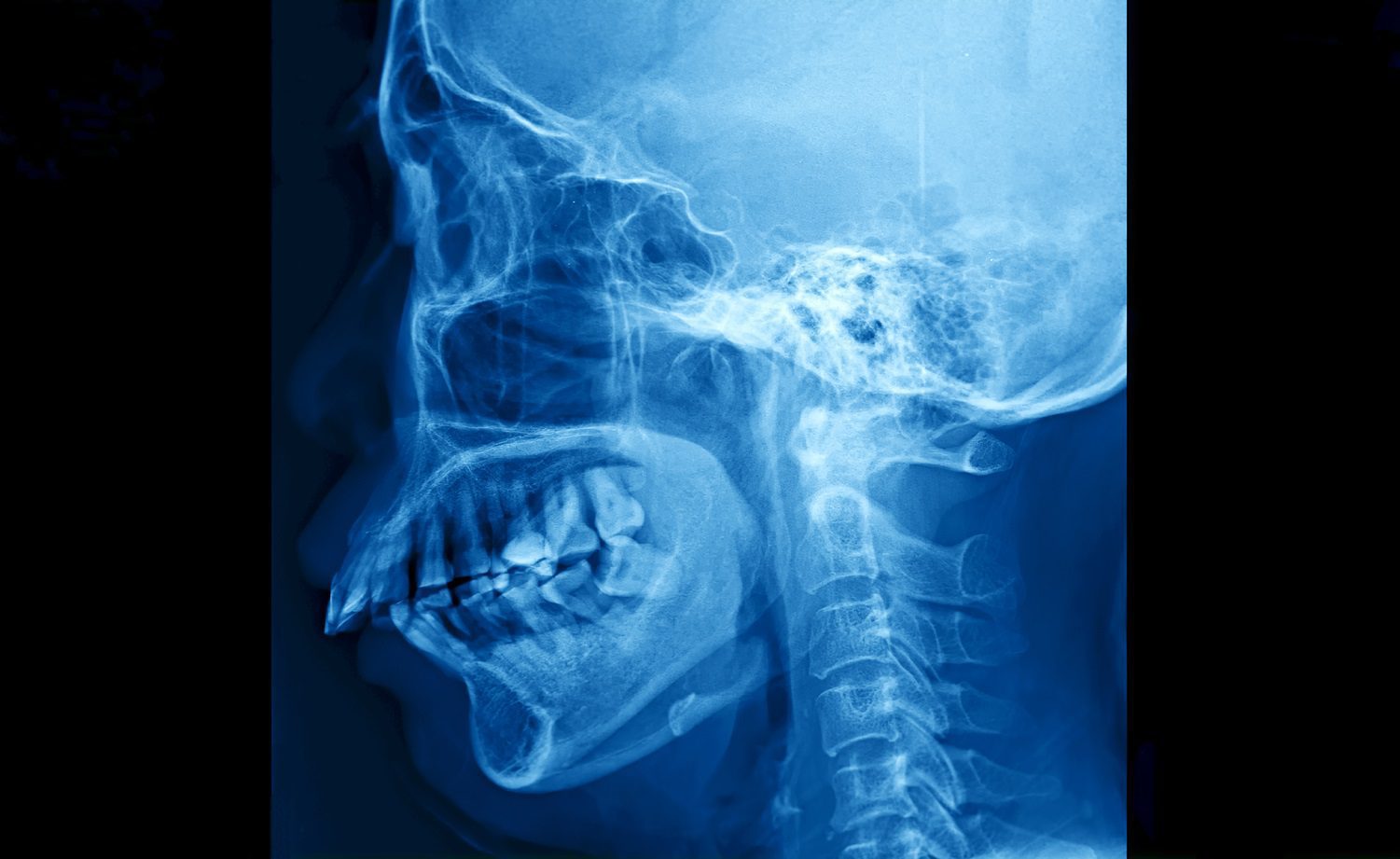
Early diagnosis is key to preventing serious complications such as stroke. The most common tests include:
- Magnetic resonance imaging (MRI) or magnetic resonance angiography (MRA):
- They detect the arterial wall hematoma and assess blood flow.
- Computed tomography (CT) with angiography:
- Useful for identifying dissections and potential obstructions in the major arteries.
- Doppler ultrasound:
- Allows non-invasive assessment of blood flow in the cervical arteries.
- Cerebral angiography:
- Considered the gold standard, but it is more invasive and generally reserved for complex cases.
Treatment of cervical arterial dissection
Treatment aims to prevent progression of the dissection and avoid complications such as stroke. The most common options include:
- Medical management:
- Anticoagulants: prevent additional clot formation and reduce the risk of embolization.
- Antiplatelet agents: such as aspirin, are used in less severe cases.
- Surgical or endovascular interventions:
- Stent placement: in cases where the artery is significantly obstructed or blood flow is unstable.
- Risk factor control:
- Blood pressure reduction, cholesterol control, and smoking cessation are essential to prevent recurrence.
Prevention and management of stroke risk
Prevention of cervical arterial dissection and its complications includes:
- Avoid abrupt movements or high-risk cervical manipulations.
- Control underlying conditions such as hypertension or connective tissue disorders.
- Undergo regular medical check-ups if there is a genetic predisposition.
In individuals with a history of dissection, medical follow-up is crucial to prevent recurrent episodes.
Conclusion
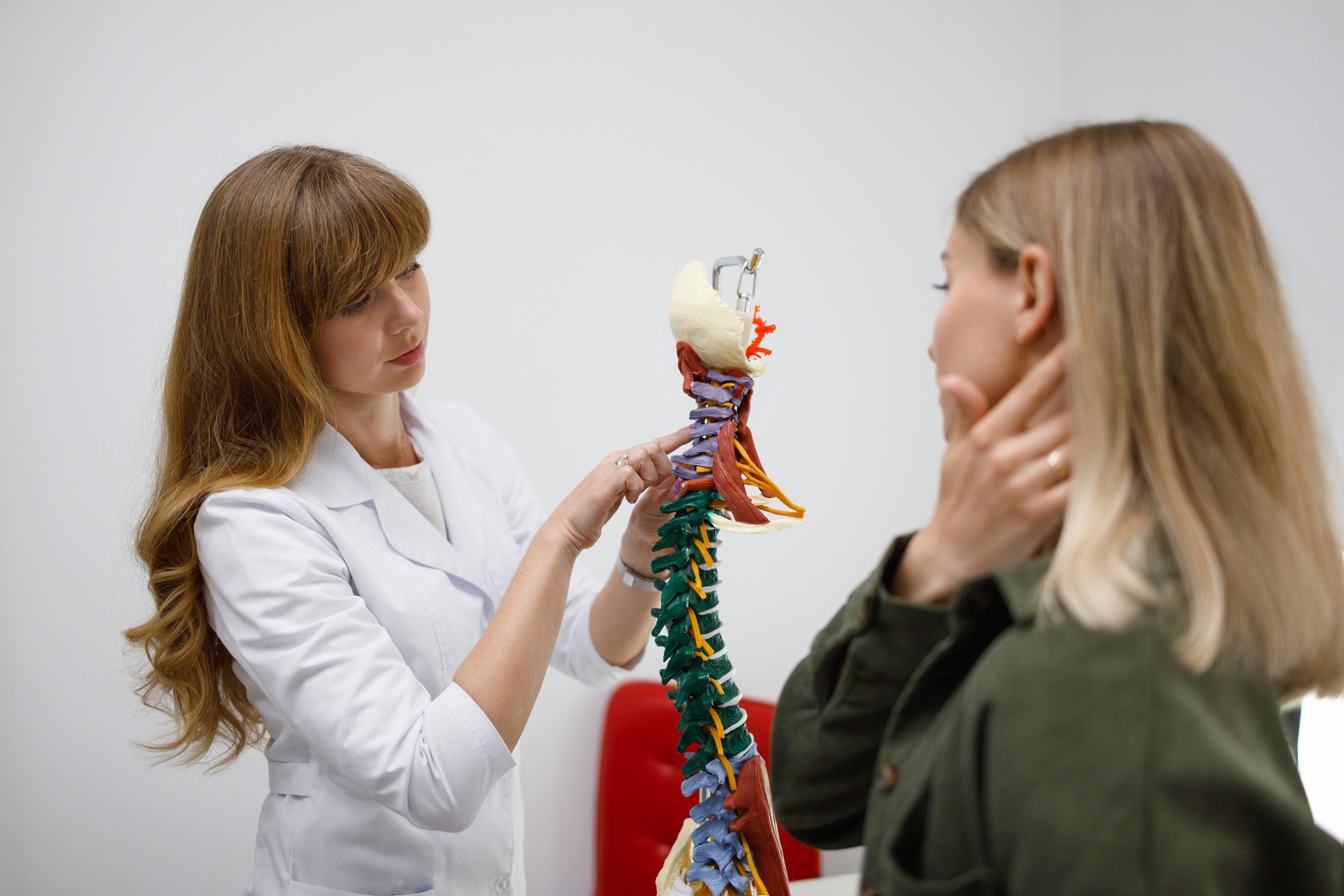
Cervical arterial dissection is a potentially serious condition that requires prompt medical attention to prevent complications such as stroke. Recognizing symptoms, seeking early diagnosis, and receiving appropriate treatment are essential steps to minimize risks and improve patient outcomes.
Education about this condition and its risk factors is key to reducing its impact and improving the quality of life of affected individuals.
If you would like more information about NeuroAiD II, please fill out this contact form.
"*" indicates required fields


