

Deep vein thrombosis (DVT) and stroke are two distinct medical conditions, but they share certain similarities and can be related in some cases. Here’s information on how they are connected:
Relationship between deep vein thrombosis and stroke
Cerebral embolism
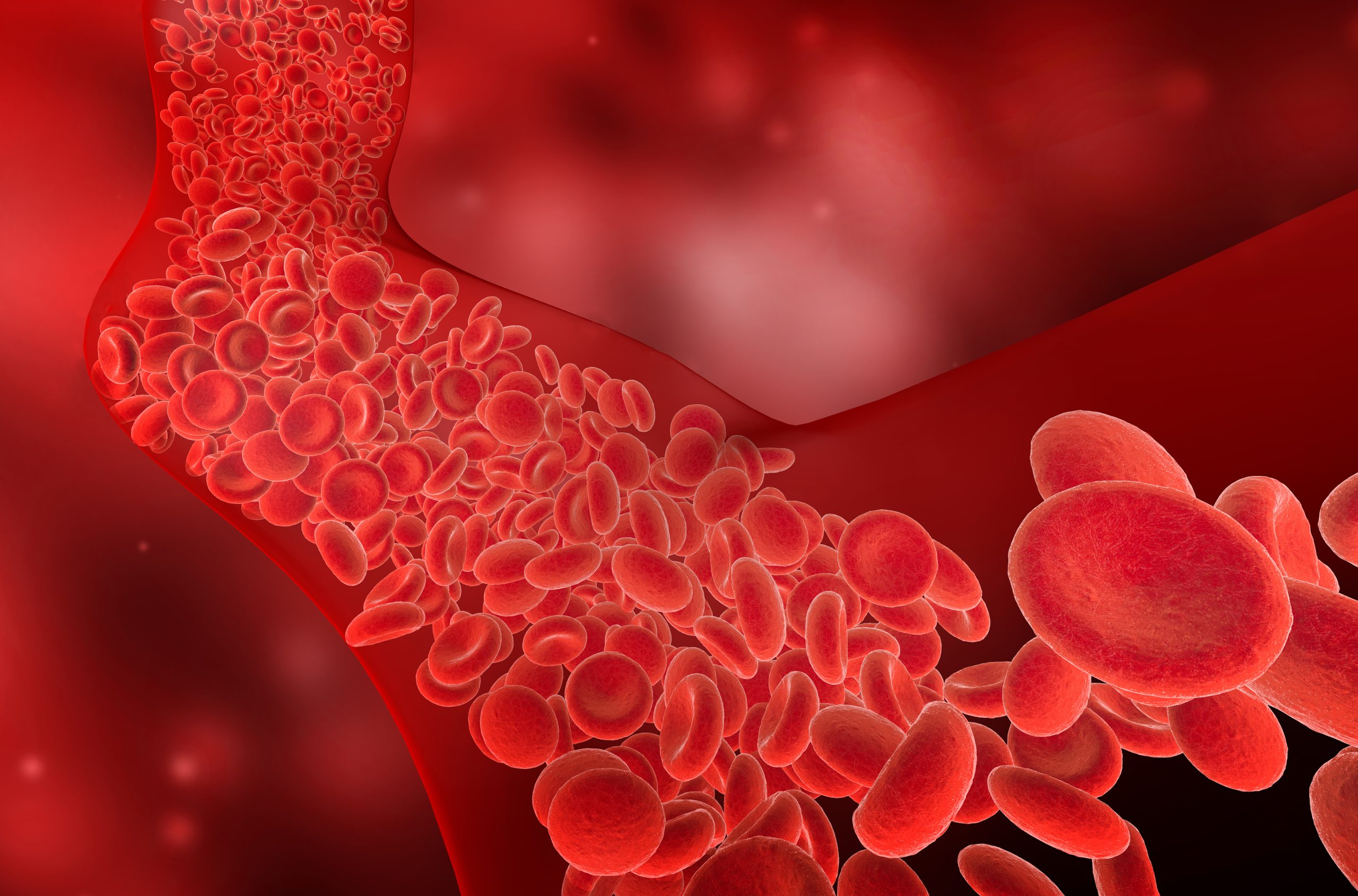
- Origin of clots: In deep vein thrombosis, clots typically form in the deep veins of the lower limbs, such as the legs. If a clot detaches from these veins, it can travel through the bloodstream and lodge in a cerebral artery, blocking blood flow to a part of the brain.
- Cerebral arterial blockage: When a clot travels from the limbs to the brain and blocks a cerebral artery, it can cause an ischemic stroke. This type of stroke is characterized by an interruption in the supply of oxygen and nutrients to brain cells, which can result in brain damage.
- Clinical manifestations: The symptoms of an ischemic stroke caused by a cerebral embolism may be similar to those of an ischemic stroke from other causes, such as weakness or paralysis on one side of the body, speech problems, difficulty walking, vision loss, and sudden severe headache.

Common risk factors
- Hypercoagulability: Both deep vein thrombosis and stroke are associated with blood hypercoagulability, meaning a state in which the blood has an increased tendency to form clots. This condition can be influenced by various factors such as obesity, diabetes, high blood pressure, and systemic inflammation.
- Endothelial injury: Damage to the walls of blood vessels, caused by factors such as high blood pressure, smoking, or diabetes, can increase the risk of clot formation in both veins and arteries. These injuries can contribute to the development of clots in the deep veins (DVT) and predispose individuals to thromboembolic events such as stroke.
Importance of prevention and treatment
- Risk factor control: Since several risk factors are common to both deep vein thrombosis and stroke, addressing these factors can help reduce the risk of both conditions. Maintaining a healthy weight, exercising regularly, managing blood pressure, and avoiding smoking are important measures to prevent clot formation and reduce the risk of thromboembolic events.
- Anticoagulant treatment: In cases of diagnosed deep vein thrombosis, anticoagulant therapy may be necessary to prevent the formation of new clots and reduce the risk of cerebral embolism and ischemic stroke. Anticoagulant medications such as heparin and vitamin K antagonists are commonly prescribed for this purpose.
- Medical monitoring: Individuals with risk factors for deep vein thrombosis and stroke should undergo regular medical evaluations and remain alert to any symptoms that may indicate the presence of these conditions. Early diagnosis and treatment are essential to prevent serious complications.

Conclusion
In conclusion, deep vein thrombosis (DVT) and stroke are two distinct but related medical conditions, especially regarding blood clot formation and the predisposition to thromboembolic events. Deep vein thrombosis can increase the risk of ischemic stroke due to the possibility of clots detaching from the deep veins of the limbs and traveling to the brain, causing a cerebral embolism. This connection highlights the importance of addressing common risk factors, such as blood hypercoagulability and endothelial injury, through appropriate preventive and therapeutic measures. Blood pressure control, maintaining a healthy weight, regular exercise, and anticoagulant treatment are key aspects in preventing serious thromboembolic events such as ischemic stroke. A thorough understanding of this relationship can guide clinical management strategies and patient education to reduce the risk of severe complications associated with both conditions.
If you would like more information about NeuroAiD II, please fill out this contact form.
"*" indicates required fields


