

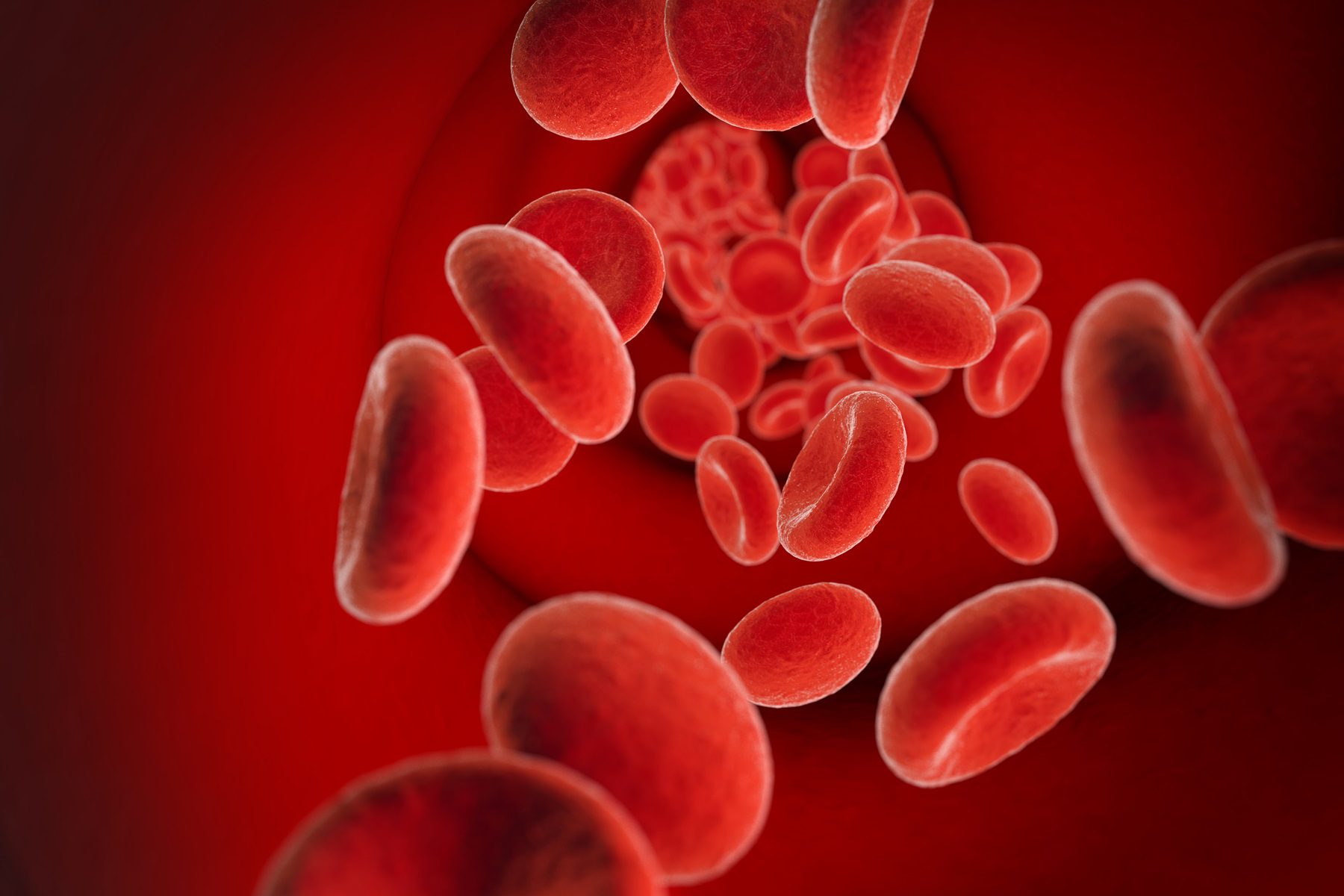

Endothelial dysfunction is an impairment in the function of the cells lining the interior of blood vessels, known as the endothelium. This condition affects the vascular system’s ability to regulate blood flow, inflammation, and coagulation, significantly increasing the risk of developing cardiovascular diseases, including stroke.
What is endothelial dysfunction?

The endothelium is a thin layer of cells lining the interior of blood vessels and performs essential functions, such as:
- Regulating vascular tone and blood flow.
- Regulating coagulation and preventing thrombus formation.
- Reducing inflammation and oxidative damage.
Endothelial dysfunction occurs when these functions are impaired, leading to:
- Reduced vasodilation: decreased production of nitric oxide, a key molecule responsible for vascular relaxation.
- Increased inflammation: the endothelium loses its protective function over the arteries, promoting inflammatory processes.
- Increased risk of thrombosis: imbalance between anticoagulant and procoagulant factors.
Causes of endothelial dysfunction
Endothelial dysfunction can be caused by a variety of factors, including:
- Modifiable risk factors:
- Hypertension: elevated blood pressure progressively damages endothelial cells over time.
- Diabetes mellitus: elevated glucose levels impair endothelial function and increase oxidative stress.
- Hypercholesterolemia: oxidized LDL particles contribute to endothelial damage.
- Smoking: toxic substances in tobacco directly damage endothelial cells.
- Non-modifiable risk factors:
- Aging: the endothelium deteriorates over time, reducing its protective capacity.
- Genetic predisposition: certain genetic factors may lead to reduced nitric oxide production.
- Chronic inflammatory conditions:
- Autoimmune diseases or persistent infections may trigger inflammation and endothelial damage.
Relationship between endothelial dysfunction and stroke
Endothelial dysfunction plays a fundamental role in the development of conditions that predispose to stroke, such as:
- Atherosclerosis:
- Endothelial damage promotes the accumulation of fatty plaques in the arteries, narrowing blood vessels and increasing the risk of ischemic stroke.
- Thrombosis:
- The inability of the endothelium to regulate coagulation may lead to the formation of clots that obstruct blood flow to the brain.
- Hypertension:
- Endothelial dysfunction reduces the ability of blood vessels to relax, contributing to elevated blood pressure, a key factor in both hemorrhagic and ischemic stroke.
Symptoms associated with endothelial dysfunction
Although endothelial dysfunction does not present direct symptoms, it may manifest through related conditions, such as:
- Chest pain or pressure (angina).
- Fatigue or reduced tolerance to physical activity.
- Signs of advanced cardiovascular disease, such as hypertension or atherosclerosis.
Diagnosis of endothelial dysfunction
Diagnosis is performed through tests that assess vascular function and endothelial health, such as:
- Endothelial function tests:
- Assessment of flow-mediated vasodilation in the brachial arteries.
- Biomarker analysis:
- Levels of molecules such as nitric oxide, selectins, and endothelins.
- Imaging tests:
- Doppler ultrasound or tomography to detect signs of atherosclerosis in the vessels.
Treatment and management of endothelial dysfunction
Management of endothelial dysfunction focuses on controlling its underlying causes and preventing complications. Strategies include:
- Lifestyle modifications:
- Healthy diet: rich in fruits, vegetables, and healthy fats.
- Regular exercise: improves nitric oxide production and reduces oxidative stress.
- Smoking cessation: protects endothelial cells.
- Pharmacological therapy:
- Statins: reduce cholesterol levels and improve endothelial function.
- Antioxidants: such as vitamins C and E, which reduce oxidative damage.
- Antihypertensives: such as ACE inhibitors, which protect the endothelium.
- Management of underlying conditions:
- Control of diabetes and other chronic inflammatory conditions.
Prevention of endothelial damage

Preventing endothelial dysfunction is key to reducing the risk of stroke and other cardiovascular complications. Preventive measures include:
- Undergoing regular medical check-ups to monitor risk factors.
- Maintaining healthy blood pressure, cholesterol levels, and blood glucose levels.
- Adopting healthy lifestyle habits from an early age.
Conclusion
Endothelial dysfunction is an early process in the development of many cardiovascular diseases, including stroke. Understanding its relationship with modifiable risk factors and underlying conditions allows for the design of effective prevention and treatment strategies.
With a comprehensive approach that combines lifestyle modifications and appropriate medical treatment, it is possible to reduce its impact and improve vascular health, thereby protecting the brain and heart in the long term.
If you would like more information about NeuroAiD II, please fill out this contact form.
"*" indicates required fields


