

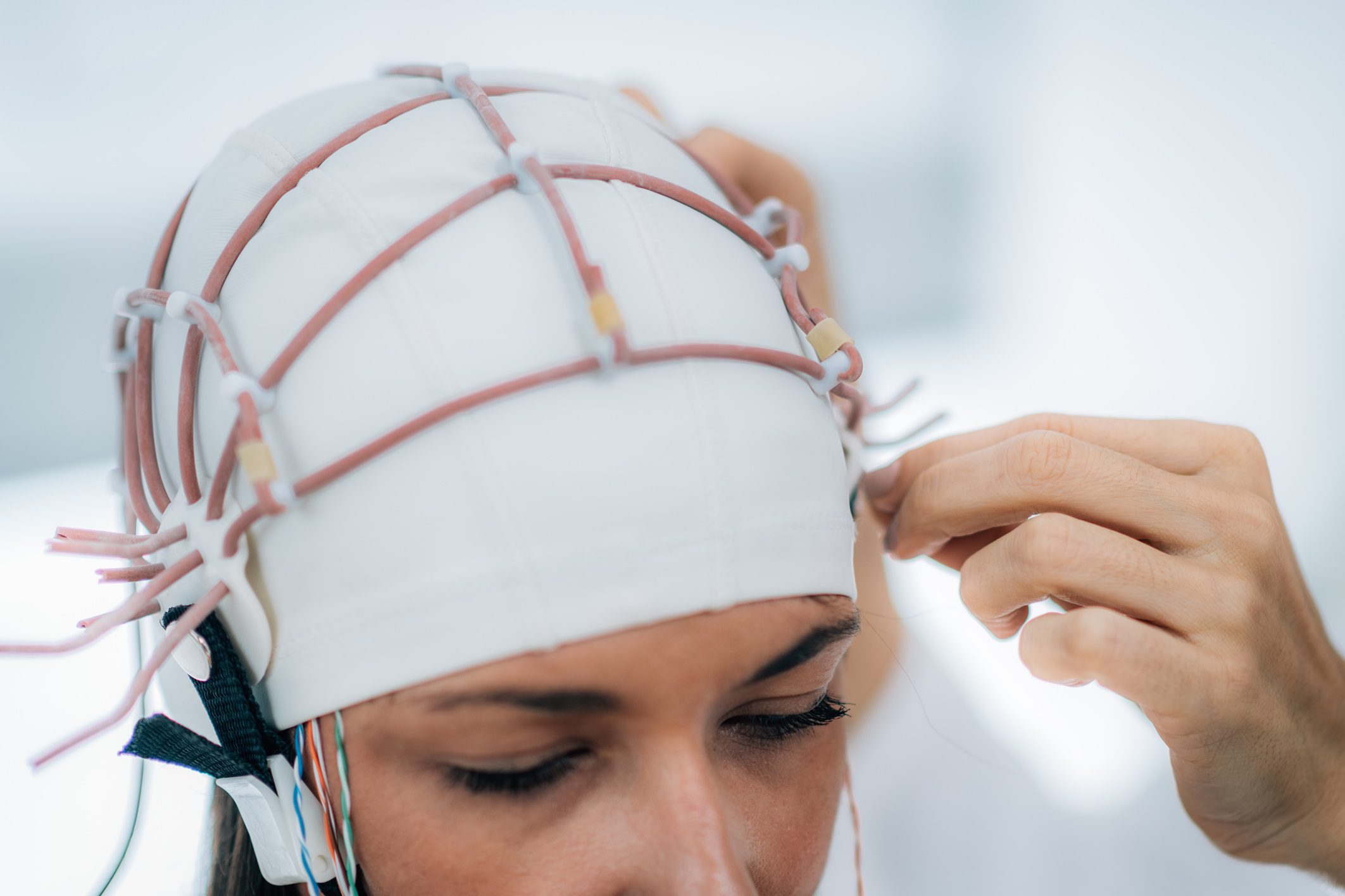

The electroencephalogram (EEG) is a diagnostic test used to assess the brain’s electrical activity. By placing small electrodes on the scalp, the EEG records brain waves and allows the detection of possible abnormalities in their functioning. This test is fundamental in neurology for diagnosing various conditions, such as epilepsy, sleep disorders, and brain activity problems associated with traumatic brain injuries.
What is an electroencephalogram?
The electroencephalogram (EEG) is a non-invasive test that measures the brain’s electrical activity. The neurons in the brain communicate through electrical impulses, and the EEG records these impulses, showing the different brain waves that occur under various conditions, such as during sleep or wakefulness.
The EEG is used to observe normal and abnormal patterns of electrical activity that may indicate neurological disorders. The test is painless, safe, and does not involve any type of radiation, which makes it widely used in both children and adults.
How does an electroencephalogram work?
During an EEG, electrodes are placed on the patient’s scalp. These electrodes are connected to a machine that amplifies the brain’s electrical signals and records them on a graph or monitor. The brain waves are recorded as lines that vary in frequency and amplitude, depending on neuronal activity.
There are different types of brain waves that an EEG can record, each associated with different mental states:
- Alpha waves: Associated with relaxation and a calm wakeful state.
- Beta waves: Related to active thinking and concentration.
- Theta waves: Associated with light sleep or drowsiness.
- Delta waves: Present during deep sleep.
Abnormal changes in brain waves can be an indicator of neurological problems such as seizures or brain damage.
What is an electroencephalogram used for?
The electroencephalogram is a key tool in the evaluation of various neurological conditions. Its main uses include:
- Epilepsy diagnosis: The EEG is the primary method for diagnosing and monitoring epilepsy, a condition characterized by abnormal electrical discharges in the brain that cause seizures. During an epileptic seizure, the EEG can show irregular electrical activity, which helps confirm the diagnosis.
- Sleep disorder evaluation: It is used to diagnose sleep problems such as insomnia, narcolepsy, or sleep apnea syndrome, as it records brain waves while the person is sleeping.
- Encephalopathy diagnosis: The EEG can identify brain alterations caused by infections, trauma, or metabolic diseases, which often result in encephalopathy (brain damage or dysfunction).
- Coma or brain death monitoring: In severe cases of coma or brain damage, the EEG is used to assess residual brain activity, helping determine whether there is any level of brain function or to confirm brain death.
- Damage assessment after trauma: In people who have suffered brain injuries, such as severe head blows or traumatic brain injuries, the EEG can help detect abnormal changes in brain activity.
- Study of psychiatric disorders: Although less common, in some cases the EEG is used to study brain patterns in people with severe psychiatric disorders.
What to expect during an electroencephalogram?
An electroencephalogram is a simple and generally quick procedure. The usual steps are described below:
- Preparation: The patient may be seated or lying on a reclining chair. They will be asked to relax during the test. In some cases, the patient may be required to be sleep-deprived to increase the chances of detecting abnormal activity.
- Electrode placement: The technician places between 16 and 25 small electrodes on the scalp using a special conductive paste. These electrodes do not cause pain and only record electrical activity.
- Brain activity recording: The patient will remain still while the EEG records brain activity for a period that can last between 20 and 40 minutes, although in some cases it may last longer.
- Additional tests: To better assess brain activity, additional procedures may be performed during the EEG, such as asking the patient to breathe deeply (hyperventilation) or look at flashing lights (intermittent photic stimulation) to induce any abnormal response, as in cases of photosensitive epilepsy.
- Conclusion: Once the recording is finished, the electrodes are removed and the patient can return to their normal activities.
Electroencephalogram results

The EEG provides a graph of brain waves that is analyzed to identify normal or abnormal patterns. Normal results will show brain waves with rhythms and frequencies within the expected ranges for the person’s mental state (wakefulness, sleep, etc.).
However, abnormal results may include:
- Epileptiform discharges: Associated with seizures or epilepsy.
- Slow or asymmetric waves: May indicate brain damage or encephalopathy.
- Absence of brain activity: Indicative of brain death in some severe cases of coma.
The EEG results are evaluated by a neurologist, who will determine whether additional tests are needed to confirm a diagnosis or adjust a treatment plan.
Treatment and use of the electroencephalogram
The EEG is an integral part of the diagnosis and treatment of many neurological conditions. Depending on the EEG findings, the doctor may recommend changes in treatment, such as adjusting antiepileptic medication in patients with epilepsy or initiating other interventions to manage sleep disorders.
In cases of epilepsy, repeated EEGs can be useful for monitoring the effectiveness of treatment and adjusting medication doses according to the recorded brain activity. In addition, in patients with sleep disorders, changes in brain waves can guide treatment strategies to improve sleep quality.
Conclusion
The electroencephalogram (EEG) is a fundamental tool in modern neurology for diagnosing and managing various conditions related to brain activity, such as epilepsy, sleep disorders, and monitoring in cases of coma. Its non-invasive, safe, and effective nature makes it one of the most widely used tests for assessing brain health.
hrough the EEG, doctors can detect abnormalities in the brain’s electrical activity and develop personalized treatment plans that improve patients’ quality of life. Although not all brain disorders require an EEG, its use is crucial for identifying problems that might otherwise go unnoticed.
If you would like more information about NeuroAiD II, please fill out this contact form.
"*" indicates required fields


