

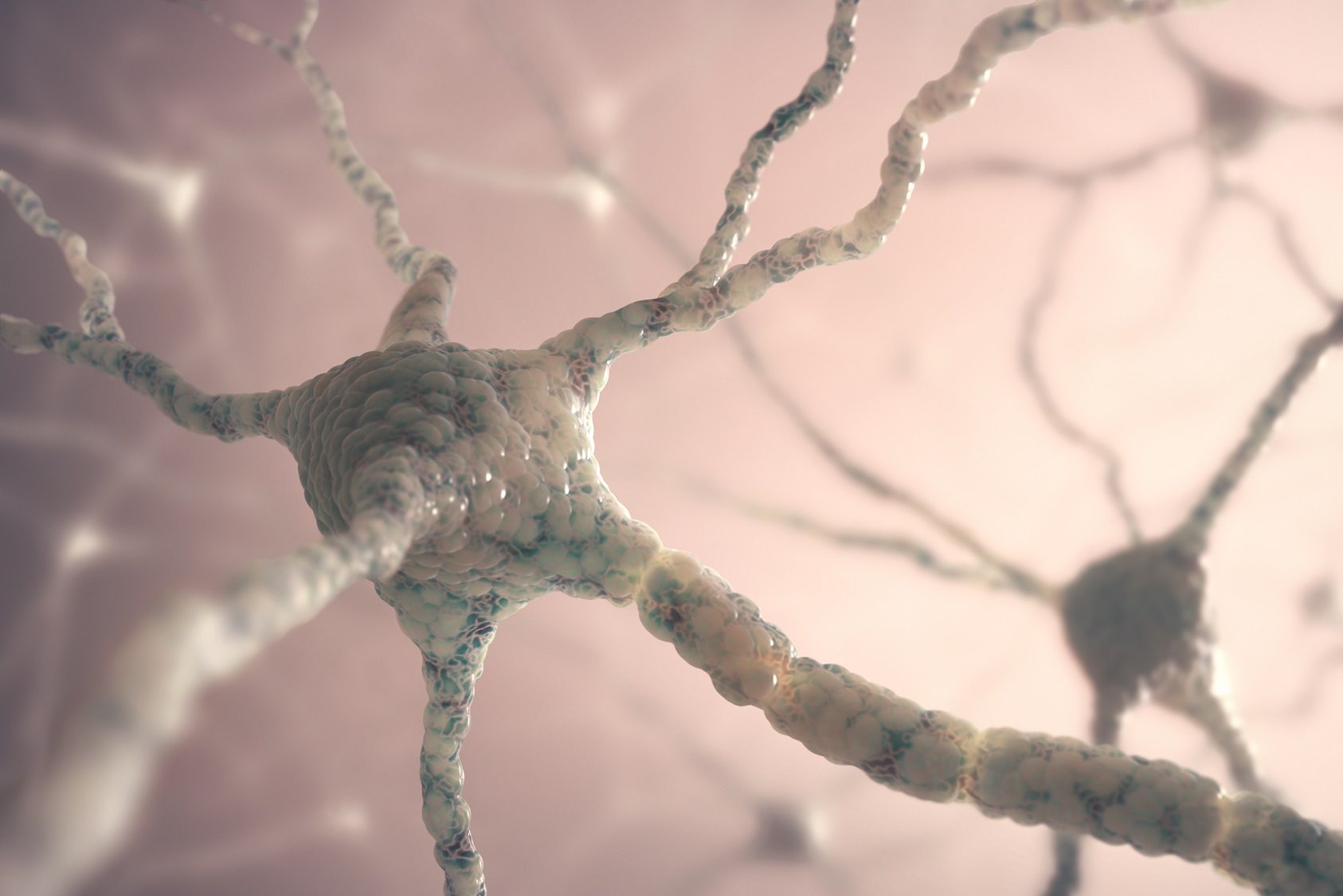

Excitotoxic neuronal necrosis is a pathological process in which neurons undergo irreversible damage and cell death due to excessive stimulation by neurotransmitters, primarily glutamate. This mechanism plays a critical role in various neurological conditions, including stroke, traumatic brain injury, and neurodegenerative disorders.
What is excitotoxic neuronal necrosis?
Excitotoxic neuronal necrosis occurs when neurons are overstimulated by excitatory neurotransmitters, such as glutamate. Under normal conditions, glutamate facilitates signal transmission between neurons. However, when it accumulates excessively, it leads to uncontrolled activation of neuronal receptors, triggering a cascade of harmful events, such as:
- Massive calcium influx into the cell:
- Leads to mitochondrial dysfunction and oxidative stress.
- Free radical production:
- Causes structural damage to cellular membranes and organelles.
- Energy failure:
- Metabolic overload results in cell death.
Relationship between excitotoxic necrosis and stroke
In the context of a stroke, particularly of the ischemic type, excitotoxic neuronal necrosis plays a crucial role:
- Reduction of cerebral blood flow:
- The lack of oxygen and nutrients leads to the accumulation of glutamate in the synaptic cleft, initiating the excitotoxic process.
- Damage in surrounding areas (ischemic penumbra):
- Although not directly damaged, these regions are vulnerable to excitotoxicity, which worsens the consequences of stroke.
- Progression of brain damage:
- Excitotoxicity activates inflammatory and apoptotic cascades that amplify the extent of the lesion.
Common causes of excitotoxic neuronal necrosis
- Stroke:
- Hypoxia reduces the ability of cells to regulate glutamate levels.
- Traumatic brain injury:
- Physical injury can release large amounts of glutamate in the brain.
- Neurodegenerative disorders:
- Conditions such as Alzheimer’s disease and Parkinson’s disease are associated with chronic excitotoxicity.
- Epilepsy:
- Excessive electrical discharges during seizures promote excitotoxic damage.
- Exposure to toxins:
- Neurotoxic substances can mimic glutamate, leading to abnormal activation of its receptors.
Symptoms associated with excitotoxic neuronal necrosis
Symptoms depend on the underlying cause and the affected area of the brain, but may include:
- Motor or sensory deficits
- Cognitive impairments, such as memory loss
- Muscle spasms or seizures
- Changes in level of consciousness
Diagnosis of excitotoxic neuronal necrosis
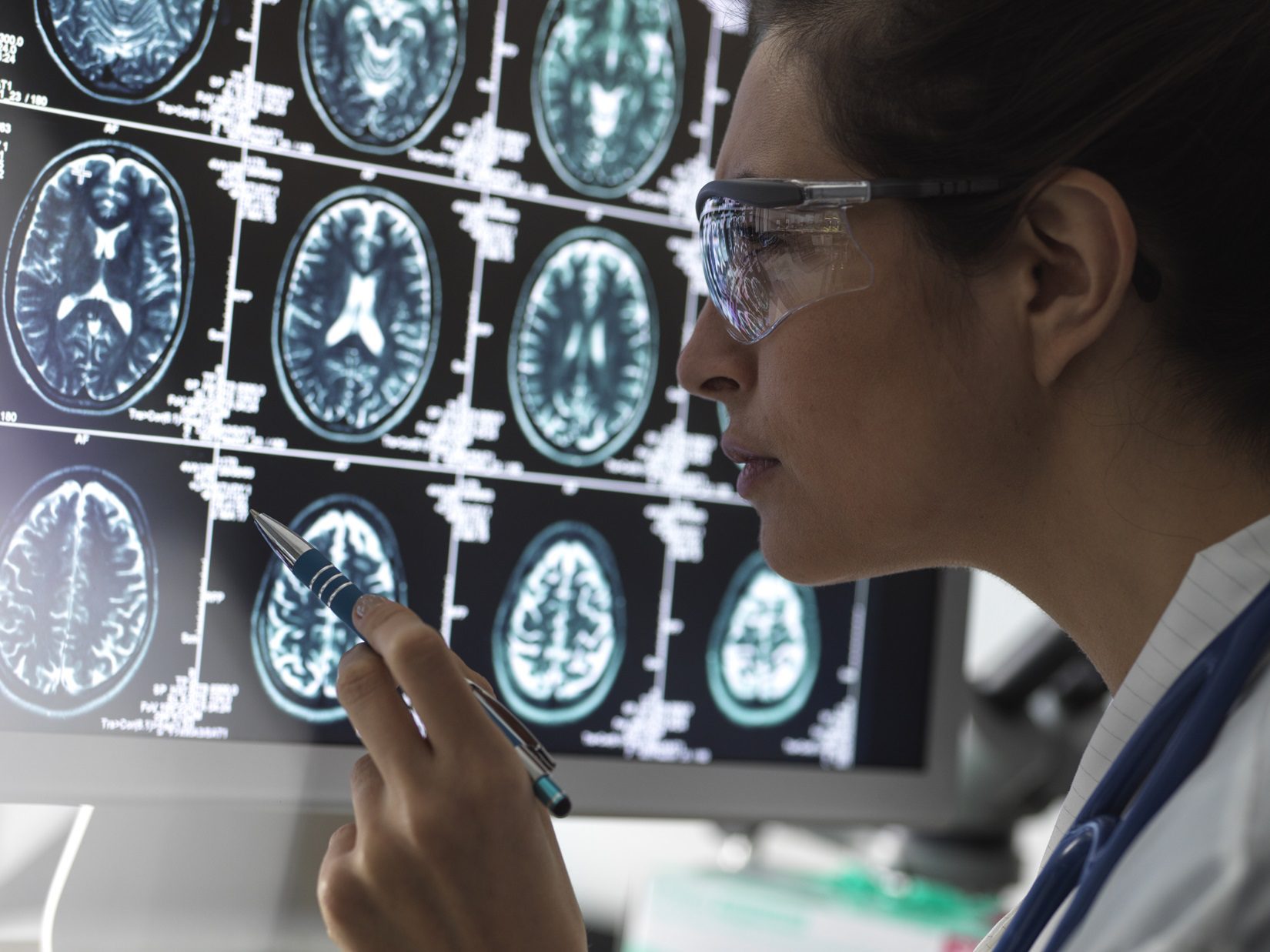
The diagnosis of excitotoxic neuronal necrosis is indirect and is based on identifying the conditions that trigger it. The most common tools include:
- Brain imaging tests:
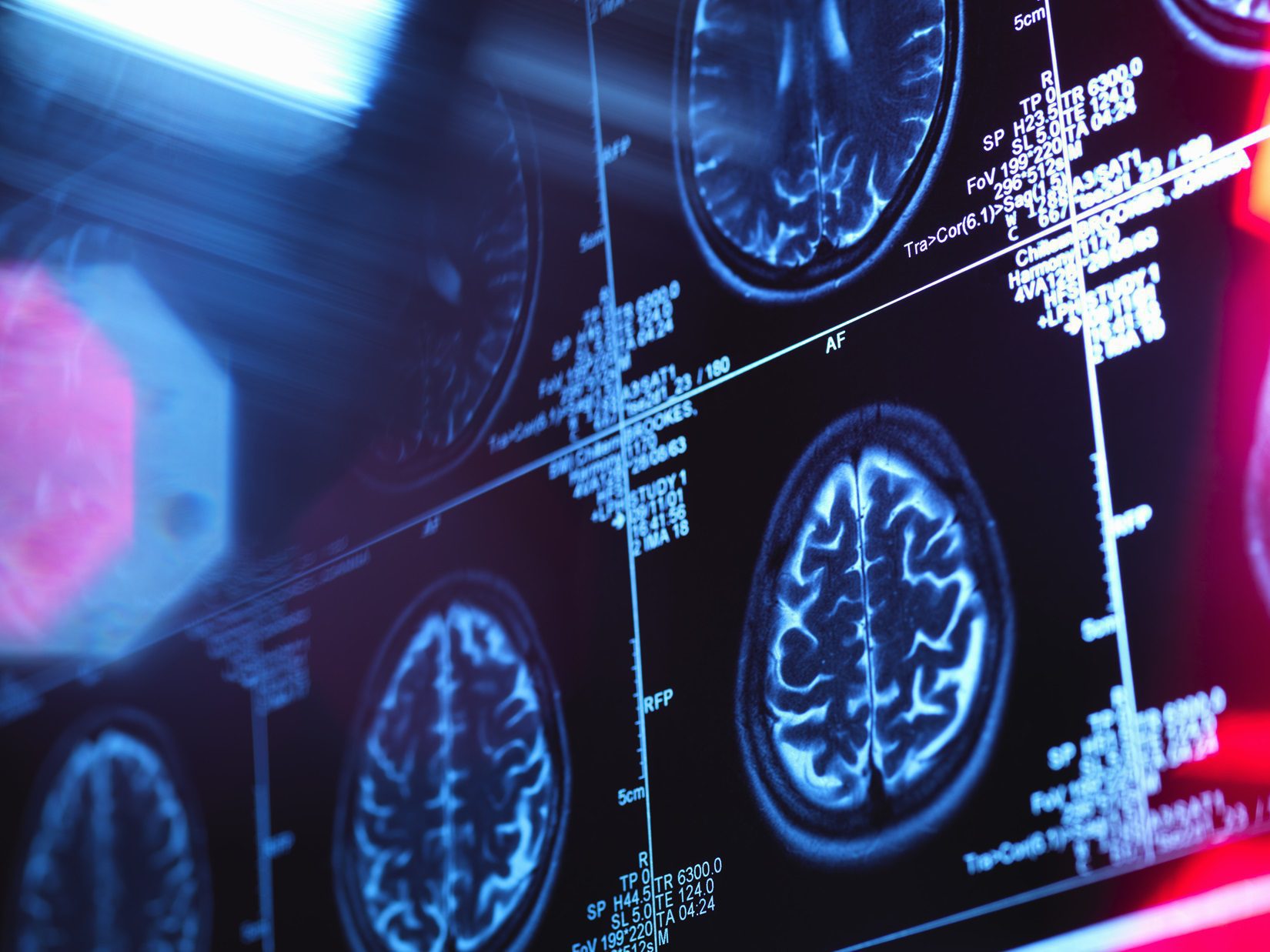
- Magnetic resonance imaging (MRI) and computed tomography (CT) to assess structural damage
- Neurochemical studies:
- Cerebrospinal fluid analysis to measure glutamate levels
- Electroencephalography (EEG):
- To detect abnormal electrical patterns in cases of epilepsy or brain injury
Treatment and management of excitotoxic neuronal necrosis
Treatment aims to limit neuronal damage and prevent long term complications. Strategies include:
- Pharmacological therapies:
- NMDA receptor antagonists: medications that block the action of glutamate at its receptors, such as memantine
- Antioxidants: reduce oxidative stress associated with excitotoxicity
- Neuroprotective therapy: compounds that stabilize neurons in vulnerable areas
- Neurological rehabilitation:
- Physical and occupational therapy to restore motor and cognitive functions
- Management of the underlying cause:
- Early management of stroke or treatment of neurodegenerative diseases
Prevention of excitotoxic neuronal necrosis
Avoiding factors that contribute to excitotoxicity can reduce its incidence and severity. Preventive measures include:
- Proper management of chronic diseases such as hypertension and diabetes
- Prevention of head injuries through safety measures
- Early monitoring of neurological conditions at risk of stroke or epilepsy
- Promotion of a healthy lifestyle to maintain brain health
Conclusion
Excitotoxic neuronal necrosis is a devastating process that worsens brain damage in various neurological conditions, especially in strokes. Understanding it is key to developing targeted treatments aimed at protecting neurons and reducing neurological sequelae.
With a multidisciplinary approach that combines prevention, neuroprotective therapies, and rehabilitation, it is possible to minimize the impact of excitotoxicity, improving patients’ quality of life and reducing the risk of irreversible brain damage.
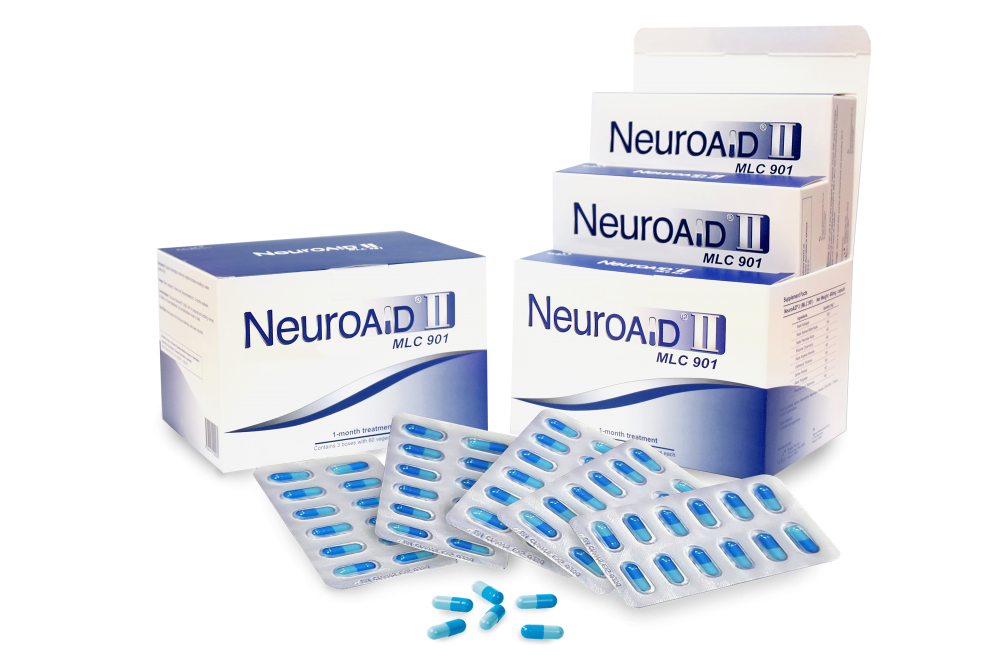
If you would like more information about NeuroAiD II, please fill out this contact form.
"*" indicates required fields


