

Stroke, also known as cerebrovascular accident (CVA), is one of the leading causes of death and disability worldwide. Although many people consider it an unpredictable event, the reality is that there are multiple ways to prevent it. Understanding how to prevent a stroke is essential to preserve long-term brain health. Below, we will explore the most common causes, risk factors, and, most importantly, lifestyle changes and medical strategies that can help significantly reduce the likelihood of experiencing a stroke.
What is a stroke and why does it occur?
A stroke occurs when blood flow to a part of the brain is interrupted. This can happen due to the blockage of an artery (ischemic stroke) or the rupture of a blood vessel (hemorrhagic stroke). In both cases, neurons stop receiving oxygen and nutrients, leading to brain damage within minutes.
Symptoms are usually sudden: difficulty speaking, paralysis on one side of the body, vision loss, confusion, or severe dizziness. Understanding how to prevent a stroke involves acting before these signs appear, anticipating them through active prevention.
Risk factors you should control
Understanding how to prevent a stroke requires identifying and controlling the factors that increase risk. Some cannot be modified, such as age or family history, but others are within your control:
-
Hypertension: It is the most important risk factor. Elevated blood pressure damages the arteries and can lead to their rupture or blockage.
-
High cholesterol: Excess LDL cholesterol promotes the formation of plaques that obstruct blood flow.
-
Diabetes: High glucose levels damage blood vessels.
-
Smoking: Tobacco use increases blood clotting and damages arterial walls.
-
Sedentary lifestyle and obesity: Excess body weight and lack of physical activity are factors that increase the risk of stroke.
-
Excessive alcohol consumption: Heavy drinking alters blood pressure and affects the heart.
Recognizing these factors is the first step in deciding how to prevent a stroke in everyday life.
Healthy diet: the foundation of prevention
One of the most effective answers to the question of how to prevent a stroke is to modify your diet. A balanced diet can lower blood pressure, control cholesterol levels, and reduce systemic inflammation. Some recommendations include:
-
Reduce salt intake: This helps maintain healthy blood pressure.
-
Increase the intake of fruits and vegetables: Rich in potassium, antioxidants, and fiber, they help protect the vascular system.
-
Choose healthy fats: Olive oil, avocado, and nuts provide beneficial fatty acids.
-
Avoid ultra-processed foods: These are typically high in trans fats, sugar, and sodium.
-
Include oily fish: Salmon, sardines, and tuna contain omega-3 fatty acids, which help prevent clot formation.
The Mediterranean diet is an excellent option if you are looking for a practical model on how to prevent a stroke through nutrition.
Regular physical exercise
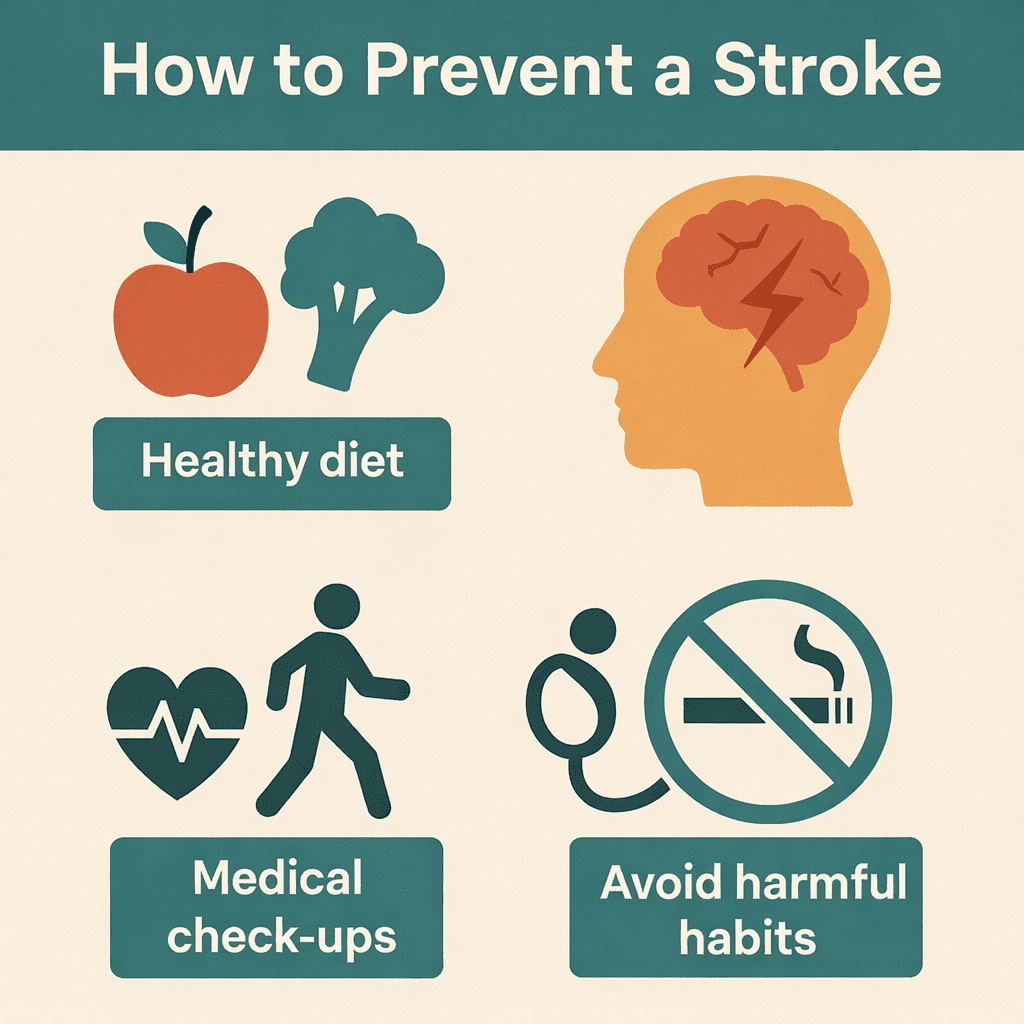
Physical activity is a powerful tool for maintaining cardiovascular health. Engaging in moderate exercise for 30 to 45 minutes a day, at least five days a week, can drastically reduce the risk of stroke.
Examples of beneficial exercises:
-
Brisk walking
-
Cycling
-
Swimming
-
Dancing
-
Yoga or Pilates, which also help reduce stress
Incorporating movement into your routine is key if you are wondering how to prevent a stroke in a natural and sustainable way.
Stress management and mental health
Chronic stress increases cortisol levels, affects blood pressure, and promotes inflammation. Therefore, learning relaxation techniques and emotional management is also part of how to prevent a stroke. Some recommended practices:
-
Daily meditation
-
Deep breathing
-
Psychological therapy
-
Sleep 7 to 8 hours per night
-
Avoid constant multitasking
A calm mind also protects the brain in the long term.
Regular medical check-ups
It is not enough to take care of yourself at home. Consulting healthcare professionals is a crucial part of how to prevent a stroke. Some essential evaluations include:
-
Blood pressure measurement
-
Lipid profile (cholesterol and triglycerides)
-
Blood glucose levels
-
Cardiac rhythm assessment (detection of arrhythmias such as atrial fibrillation)
Early detection of abnormalities allows for timely intervention with preventive treatments and medications that reduce the risk of stroke.
Avoid harmful habits
If you truly want to understand how to prevent a stroke, you must completely eliminate certain habits:
-
Smoking: Quitting tobacco improves circulation from the first week
-
Excessive alcohol consumption: Limit alcohol intake to a maximum of one drink per day
-
Self-medication: Some medications increase the risk of clot formation without medical supervision
-
Excessive screen time and sedentary behavior: Prolonged sitting slows circulation and increases the risk of thrombosis
Stroke in young adults: an emerging reality
Although it is commonly associated with older adults, stroke can also affect younger individuals. Fast-paced lifestyles, poor diet, substance use, and work-related stress have increased the number of cases in people under 45. Therefore, understanding how to prevent a stroke is relevant even for those who consider themselves at low risk.
Supplements and pharmacological prevention

In some cases, physicians may recommend the use of medications or supplements when there is a family history or non-modifiable risk factors. For example:
-
Low-dose aspirin: for patients at high risk of thrombosis
-
Statins: if cholesterol levels do not decrease with diet
-
Antihypertensive agents: such as ACE inhibitors or calcium channel blockers
-
Omega-3, vitamin D, or coenzyme Q10 supplements, always under medical supervision
These treatments may be part of the plan on how to prevent a stroke in patients with a complex medical history.
Conclusion
Stroke is a silent threat, but not an inevitable one. Adopting a healthy lifestyle, avoiding risk factors, managing mental health, and attending regular medical check-ups are essential actions if you truly want to understand how to prevent a stroke. It is not about eliminating all risks, but about minimizing them as much as possible through knowledge, discipline, and active prevention.
Remember that brain health care starts today, not when symptoms appear. Prevention is the most powerful tool to ensure a full, independent life free from neurological sequelae.
If you would like more information about NeuroAiD II, please fill out this contact form.
"*" indicates required fields


