

Muscle stiffness is a common condition that can affect individuals of all ages. It may occur after physical activity, prolonged immobility, or even as a response to psychological stress. One of the key concerns for those affected is understanding how to relieve muscle stiffness effectively and prevent it from recurring.
What is muscle stiffness?
Muscle stiffness is described as a sensation of hardness, tightness, or resistance when attempting to move a part of the body. While it is often not painful, it can be uncomfortable and limiting. Understanding how to relieve muscle stiffness first requires recognizing that this sensation may stem from both physical and emotional factors.
Main causes of muscle stiffness

Before looking for solutions, it is essential to understand the most common causes:
-
Physical overload: Intense exercise without proper warm-up.
-
Sedentary lifestyle: Spending many hours sitting or lying down.
-
Stress and anxiety: The body reflects emotional tension.
-
Injuries: Blows, sprains, or micro muscle tears.
-
Neurological conditions: Such as multiple sclerosis or Parkinson’s disease.
Each cause requires a different approach to effectively relieve muscle stiffness.
How to relieve muscle stiffness at home?
There are very effective techniques you can apply from home:
-
Gentle stretching: Performing stretching exercises helps improve flexibility and reduce tension.
-
Apply local heat: Heating pads, warm showers, or electric warmers are great allies for relaxing the muscles.
-
Massages: Self-massage or the use of foam rollers can improve circulation and relieve stiffness.
-
Proper hydration: Drinking enough water is essential for maintaining muscle health.
-
Progressive mobilization: Move the affected area slowly and in a controlled manner.
These measures are the first steps in answering the big question: how to relieve muscle stiffness?
When to seek professional help
Muscle stiffness doesn’t always go away on its own. It is advisable to see a specialist if:
-
The stiffness lasts for more than a week.
-
It is accompanied by severe pain.
-
There is loss of strength or sensation.
-
It interferes with daily activities.
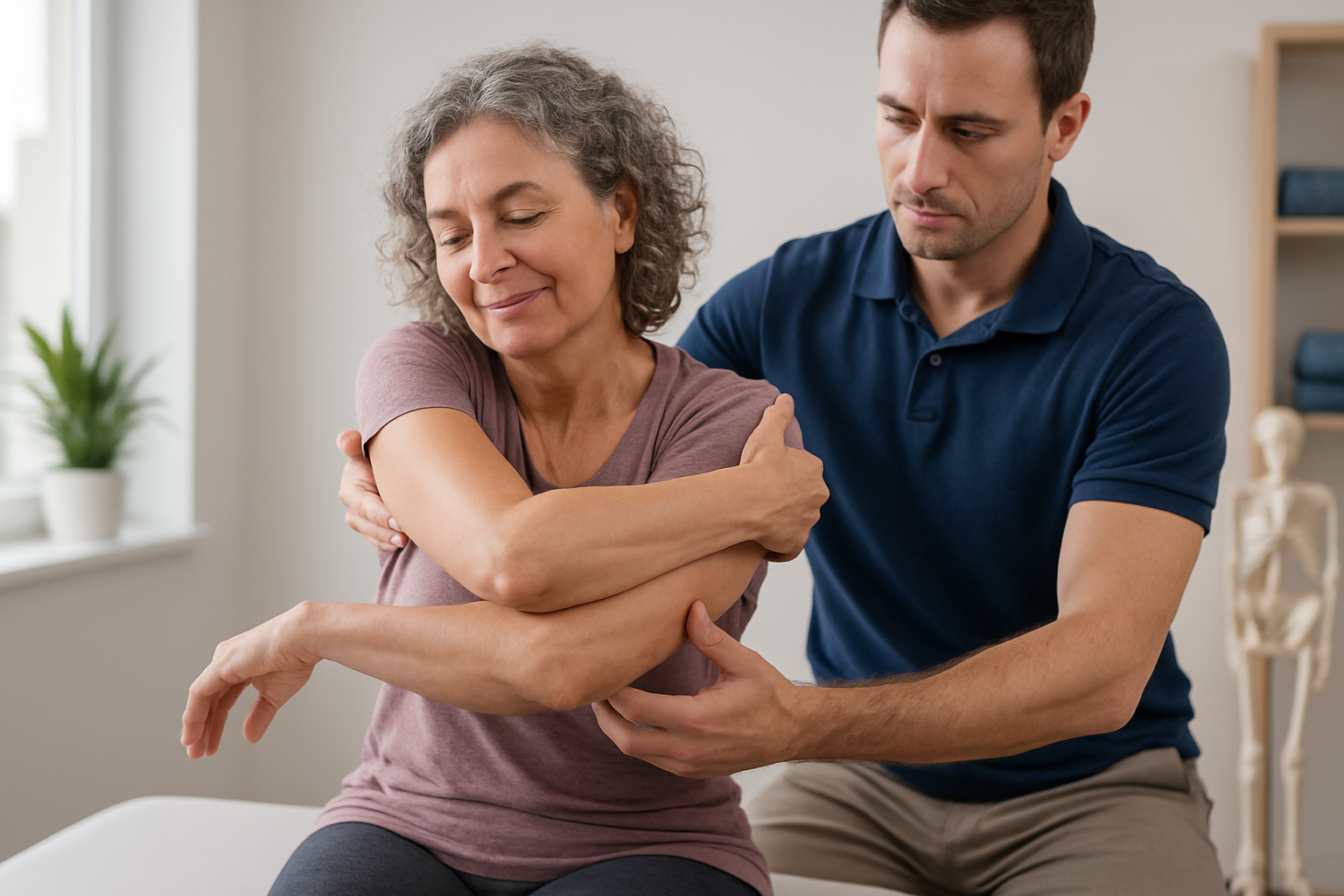
A physical therapist can guide you on how to relieve muscle stiffness with a treatment plan tailored to your specific situation.
Available medical treatments
In more complex cases, the doctor may recommend:
-
Personalized physical therapy: Includes manual techniques and guided exercises.
-
Anti-inflammatory medications: To reduce inflammation and facilitate movement.
-
Injections: In specific cases of severe pain and stiffness.
These advanced treatments complement the basic strategies for relieving muscle stiffness in persistent cases.
Recommended exercises to combat stiffness
One of the best answers to how to relieve muscle stiffness is movement. Some helpful exercises include:
-
Gentle joint rotations: Neck, shoulders, wrists, hips, and ankles.
-
Leg and back stretches: Especially after long hours of inactivity.
-
Yoga or Pilates: Activities that combine stretching, strength, and mindful breathing.
Practicing these exercises daily can make a big difference in relieving muscle stiffness and preventing future discomfort.
Practical tips to prevent muscle stiffness
In addition to taking action when discomfort arises, the ideal approach is to prevent it. To do so:
-
Take active breaks every hour if you work while sitting.
-
Do stretching exercises before and after working out.
-
Maintain good posture both when walking and sitting.
-
Manage stress with relaxation techniques or deep breathing exercises.
-
Don’t forget to rest: Sleeping well supports muscle recovery.
These healthy habits help not only to prevent stiffness, but also to make it easier to relieve muscle stiffness when it appears occasionally.

Final reflection
Muscle stiffness is uncomfortable, but it doesn’t have to become a permanent burden. Now that you know how to relieve muscle stiffness, you can apply simple, natural, and effective solutions at home. The key lies in staying active, maintaining good posture, staying hydrated, and seeking professional help when necessary.
Don’t let stiffness limit your well-being. With small daily steps, your body can regain the flexibility and vitality it deserves.
If you would like more information about NeuroAiD II, please fill out this contact form.
"*" indicates required fields


