

La contractura espástica es una condición caracterizada por un aumento sostenido en el tono muscular, causado por la hiperactividad de los reflejos musculares. Esta condición suele ser el resultado de daño en el sistema nervioso central, afectando las vías neuronales que controlan la contracción y relajación muscular. Diversas condiciones neurológicas pueden estar asociadas con la contractura espástica, como el accidente cerebrovascular, lesiones cerebrales traumáticas, esclerosis múltiple, parálisis cerebral, entre otras.
Mechanism of Spastic Contracture
Spastic contracture arises due to the loss of normal neural inhibition in the central nervous system. Under normal conditions, there is a delicate balance between signals that promote muscle contraction and relaxation. When this balance is disrupted, the muscles can become stiff and tense.
Neurological damage disrupts this balance, leading to increased excitability of muscle reflexes. The lack of normal neural control leads to excessive muscle activity, resulting in stiffness and muscle spasms.
Symptoms of Spastic Contracture
The symptoms of spastic contracture can vary in severity and presentation, but commonly include:
- Muscle Stiffness:The affected muscles tend to become rigid and tense.
- Involuntary Spasms:Sudden, unwanted muscle movements may occur spontaneously.
- Loss of Range of Motion:Spastic contracture can limit the ability to move a joint through its full range of motion.
- Abnormal Postures:Tight muscles can lead to the adoption of abnormal or uncomfortable postures.
These symptoms not only affect physical functionality but can also have a significant impact on the individual’s quality of life.
Underlying Causes of Spastic Contracture
La contractura espástica generalmente está asociada con trastornos neurológicos. Las causas subyacentes pueden incluir:

- Stroke:A cerebrovascular event can damage specific areas of the brain, affecting the nerve signals that control muscle tone.
- Traumatic Brain Injuries:Injuries to the brain, such as those that can occur after head trauma, may lead to spastic contracture.
- Multiple Sclerosis:This autoimmune disease affects the central nervous system, causing damage to nerve fibers and contributing to spasticity.
- Cerebral Palsy:A condition that affects brain development before, during, or shortly after birth, cerebral palsy is often associated with muscle spasticity.
- Other Neurological Conditions:Neurodegenerative disorders and diseases of the central nervous system can also contribute to spastic contracture.
Diagnosis
The diagnosis of spastic contracture generally involves clinical evaluation by healthcare professionals such as neurologists or physical therapists. Imaging studies, such as MRI scans, can be used to identify structural damage in the central nervous system. In addition, the patient’s medical history and the observation of symptoms are key components in the diagnostic process.
Treatments for Spastic Contracture
The management of spastic contracture involves a multidisciplinary approach and may include:
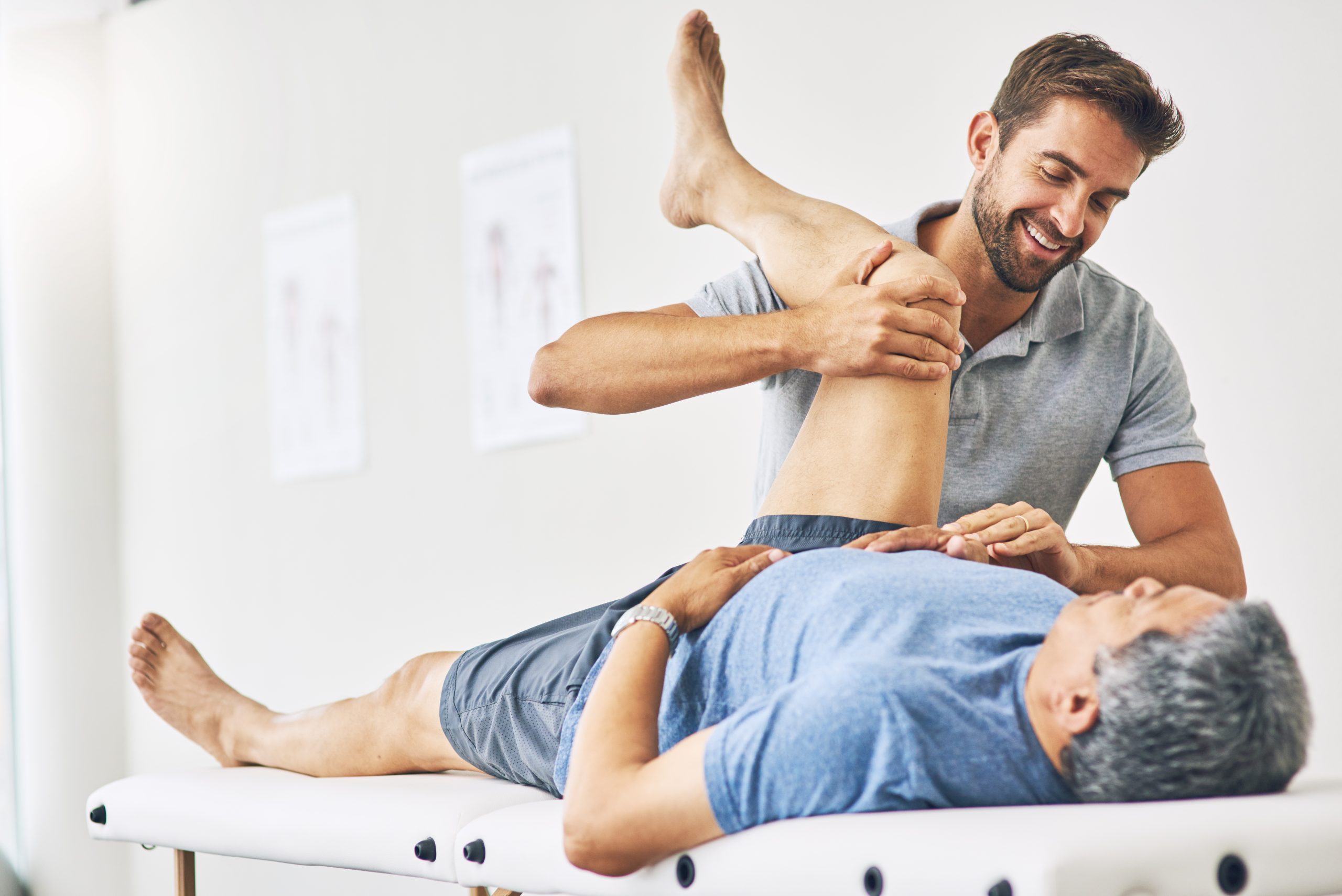
- Physical Therapy:Physical therapists play a vital role in treatment by designing specific exercise programs to improve muscle strength, range of motion, and coordination.
- Medications:Medications such as muscle relaxants may be prescribed to reduce spasticity. Botulinum toxin (Botox) is also used to block nerve signals to the affected muscles.
- Occupational Therapy:Occupational therapists work on adapting daily activities to improve independence and functionality.
- Surgery:In severe cases or when other treatment options are ineffective, surgery may be considered to correct structural problems or release tight muscles.
Prevention and Long-Term Care
The prevention of spastic contracture involves proactive measures such as:
- Ejercicio regular: La movilización y el estiramiento regular de las articulaciones y músculos pueden ayudar a prevenir la rigidez y mantener el rango de movimiento.
- Control de la espasticidad: Los medicamentos y tratamientos específicos pueden ayudar a controlar la espasticidad antes de que se convierta en una contractura completa.
- Adaptaciones en el entorno: Modificaciones en el entorno y la vida cotidiana pueden ser necesarias para facilitar la independencia y reducir la carga sobre los músculos afectados.

Spastic contracture not only affects physical function but can also have an impact on the mental and emotional health of the affected person. Psychosocial support and mental health care are crucial components in the comprehensive management of the condition.
Conclusion
In summary, spastic contracture is a neuromuscular condition that results from hyperactivity of muscle reflexes due to damage to the central nervous system. Early diagnosis and a comprehensive treatment approach can significantly improve the quality of life of those affected by this condition. The combination of physical therapy, medications, and long-term care can help minimize symptoms and improve daily functionality. Ongoing research and advances in the field of neurology may also open new doors for the management and treatment of spastic contracture in the future.
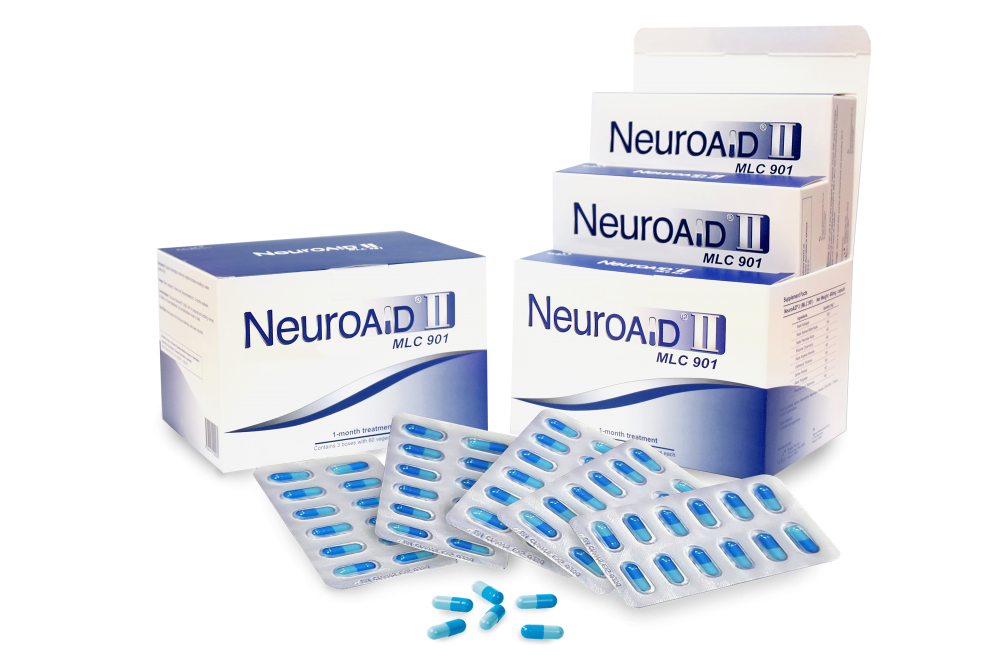
If you need information about NeuroAiD II, you can fill out this contact form.
"*" indicates required fields


