



LDL cholesterol is a low-density lipoprotein that transports cholesterol from the liver to peripheral tissues. Although it is necessary for various cellular functions, when its blood levels remain consistently elevated, it becomes a critical risk factor for the cardiovascular system. The accumulation of LDL cholesterol promotes vascular damage, which translates into an increased risk of atherosclerosis, heart attacks, and strokes.
Understanding how LDL cholesterol acts, how it affects the walls of blood vessels, and which factors enhance its impact is essential for designing prevention and treatment strategies.
LDL cholesterol and its function in the body
Cholesterol is a lipid molecule essential for hormone synthesis, the formation of cell membranes, and the production of vitamin D. However, cholesterol does not circulate freely in the blood; it is transported bound to lipoproteins. LDL cholesterol is the fraction responsible for carrying cholesterol from the liver to the organs that need it.
The problem arises when there is an excess of circulating LDL cholesterol. This excess is not always used by cells and tends to deposit in the intima of the arteries. Unlike other lipoproteins, LDL cholesterol more easily penetrates the vascular wall and accumulates there, initiating the process of atherogenesis which, over time, compromises arterial health.
The role of LDL cholesterol in atherosclerosis
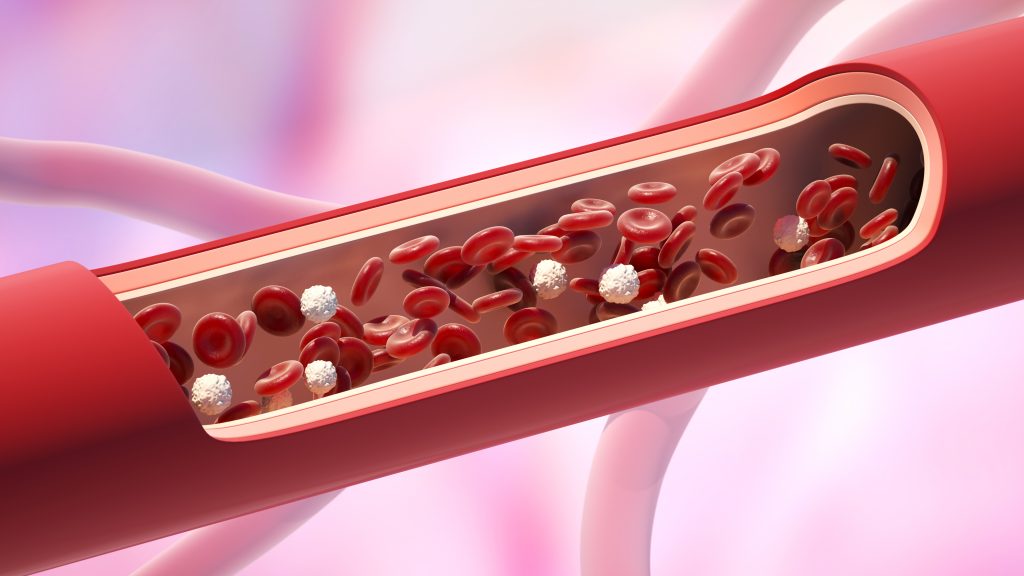
When LDL cholesterol penetrates the arterial wall, it becomes oxidized and triggers an inflammatory response. This process stimulates the accumulation of immune cells and lipids that, over time, form atherosclerotic plaques. These plaques narrow the arteries, reduce blood flow, and impair the elasticity of the vessels. The result is progressive vascular damage that can ultimately lead to the complete obstruction of an artery.
Factors that worsen vascular damage
LDL cholesterol does not act in isolation. Its harmful effects are amplified by other risk factors such as hypertension, smoking, diabetes, and a sedentary lifestyle. In the presence of these factors, vascular damage progresses more rapidly, severely compromising blood circulation and increasing the likelihood of serious cardiovascular events.
-
Hypertension: elevated pressure on the vascular wall facilitates the penetration of LDL cholesterol into the endothelium.
-
Diabetes mellitus: high glucose levels directly damage the endothelium and promote the glycation of LDL cholesterol, which increases its harmful effect.
-
Smoking: tobacco smoke alters endothelial function and accelerates the oxidation of LDL cholesterol.
-
Obesity and sedentary lifestyle: excess body fat and physical inactivity increase plasma levels of LDL cholesterol.
-
Genetic predisposition: some individuals have familial hypercholesterolemia, which significantly elevates LDL cholesterol levels from an early age.
Prevention and control strategies

Reducing LDL cholesterol is essential to protect the arteries. A balanced diet, low in saturated fats and high in fiber, along with regular physical activity, can lower LDL cholesterol levels and improve vascular health. In high-risk cases, healthcare professionals often recommend specific pharmacological treatments that help reduce cholesterol and stabilize existing plaques.
Conclusion
LDL cholesterol and vascular damage are closely related. Maintaining adequate levels of this lipoprotein is essential to prevent the progression of atherosclerosis and reduce the incidence of cardiovascular complications. Taking care of LDL cholesterol ultimately means preserving the integrity of the vascular system and protecting long-term health.
Maintaining optimal LDL cholesterol levels not only helps prevent a heart attack or stroke, but also preserves quality of life and ensures greater longevity. The relationship between LDL cholesterol and vascular damage is one of the most solid links in preventive medicine, and its management represents a key pillar for public health worldwide.
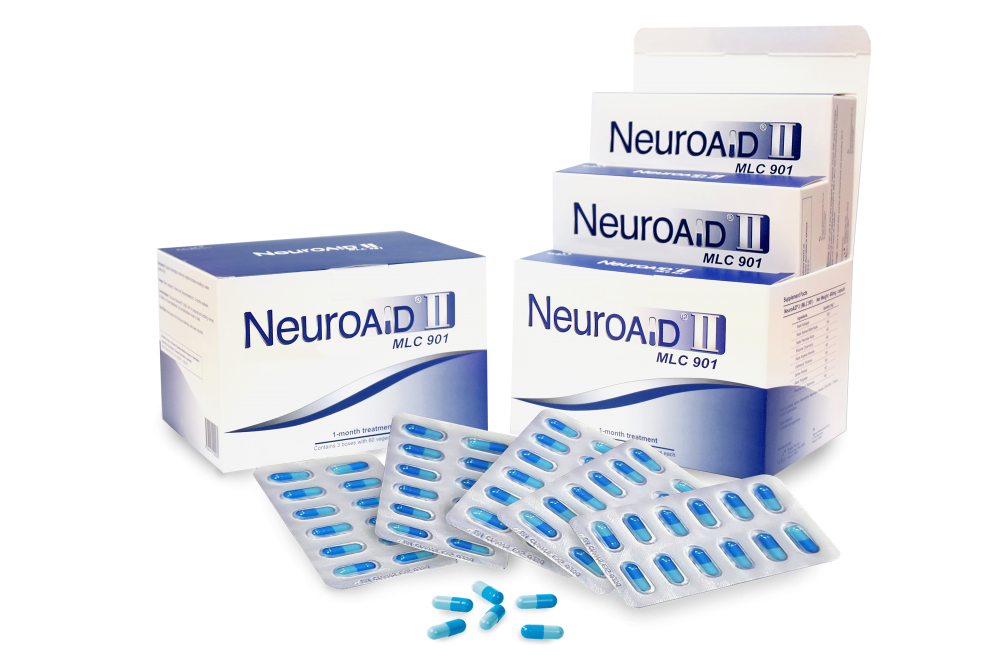
If you would like more information about NeuroAiD II, please fill out this contact form.
"*" indicates required fields


