

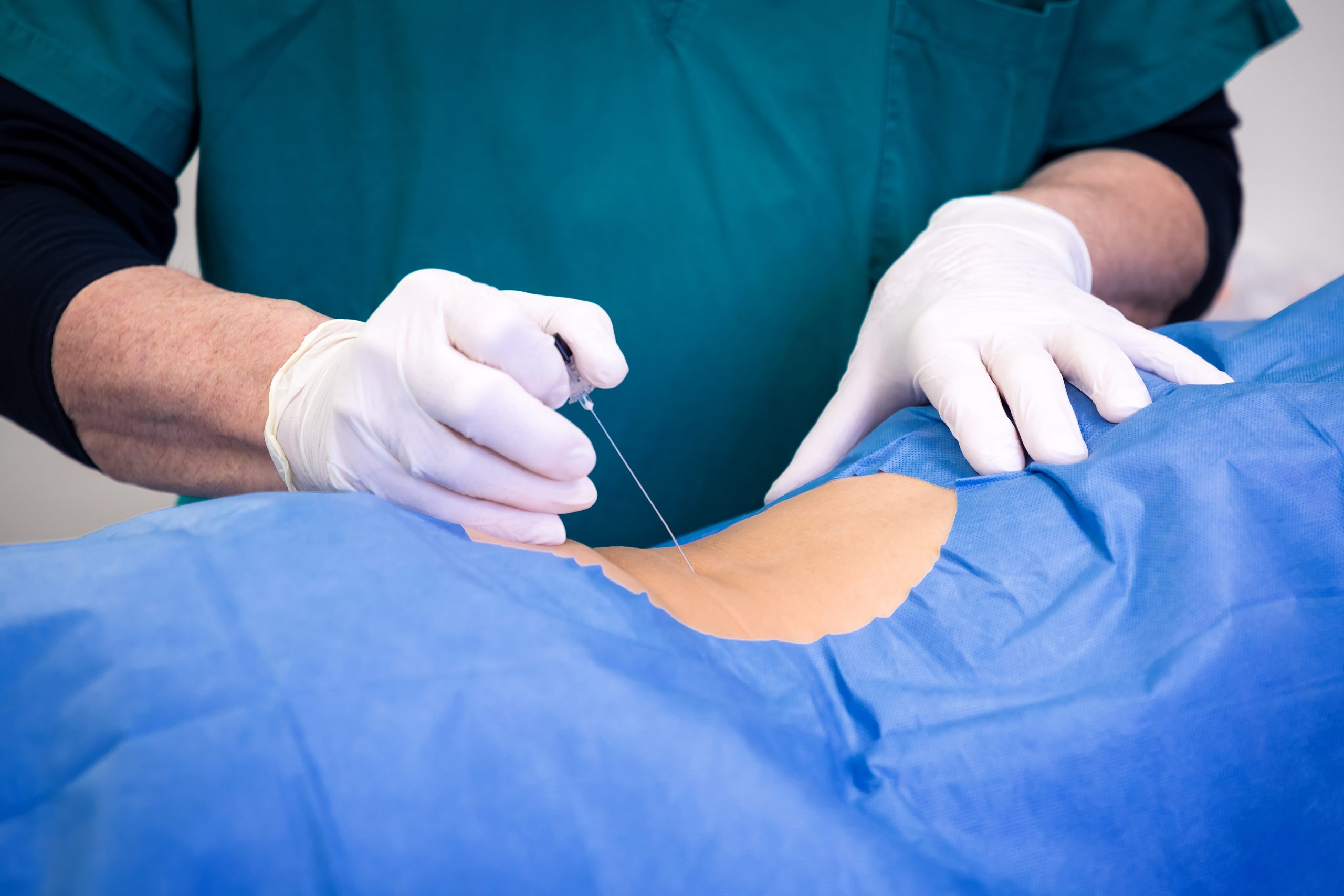

Lumbar puncture is a medical procedure in which a thin needle is inserted between two lumbar vertebrae to obtain a sample of the cerebrospinal fluid (CSF) that surrounds the brain and spinal cord. This technique is mainly used to diagnose diseases that affect the central nervous system, such as infections, subarachnoid hemorrhages, and inflammatory disorders.
In relation to strokes, lumbar puncture can play a role in certain cases to rule out other medical conditions that may present with symptoms similar to those of a stroke or to identify underlying risk factors. Some important points to consider include:
Ruling out other causes through lumbar puncture
Evaluation of atypical symptoms
- In some cases, the symptoms of a stroke can be atypical or nonspecific, making accurate diagnosis difficult. This is especially true in young patients or those with complex medical histories.
- Lumbar puncture can be useful to rule out other conditions that may present with symptoms similar to those of a stroke, such as:
- Meningitis: an infection of the lining of the brain and spinal cord.
- Encephalitis: an inflammation of the brain, usually caused by a viral infection.
- Subarachnoid hemorrhage: bleeding in the space between the brain and the skull, usually caused by a ruptured aneurysm.
Importance of a differential diagnosis
- It is essential to carry out a complete differential diagnosis to determine the underlying cause of the neurological symptoms and guide appropriate treatment.
- Lumbar puncture, together with other neuroimaging studies and blood tests, can provide additional information to confirm or rule out these conditions and help avoid misdiagnoses.
Considerations in patients with nonspecific symptoms
- In patients with nonspecific symptoms or changes in mental status, lumbar puncture can be part of a comprehensive approach to rule out non-neurological causes, such as metabolic imbalances or drug toxicity.
- The presence of certain findings in the cerebrospinal fluid (CSF), such as an abnormal white blood cell count or the presence of specific proteins, may indicate a non-vascular cause of the symptoms and guide appropriate treatment.
In summary, lumbar puncture plays an important role in the evaluation of patients with atypical or unclear neurological symptoms, helping to rule out other potential causes such as infections or hemorrhages that can mimic a stroke. This comprehensive diagnostic approach is essential to ensure appropriate management and improve clinical outcomes.
Assessing intracranial pressure

Importance of intracranial pressure
- Intracranial pressure refers to the pressure inside the skull and is a crucial factor in normal brain function. When intracranial pressure increases significantly, it can indicate the presence of a brain mass, cerebral edema, or other pathological conditions.
Relationship with stroke
- In the case of certain types of stroke, such as intracranial hemorrhages or massive cerebral infarctions, increased intracranial pressure can be a serious and potentially life-threatening complication.
- Lumbar puncture can provide information about the pressure of the cerebrospinal fluid (CSF), which is in direct communication with the subarachnoid space around the brain and spinal cord. An increase in CSF pressure may indicate increased intracranial pressure.
Usefulness in diagnosis and management
- In patients with suspected stroke and signs of intracranial hypertension, measuring CSF pressure through lumbar puncture can be a useful tool to assess the severity of the condition and guide clinical management.
- Early identification of increased intracranial pressure can be crucial for initiating therapeutic measures such as controlling blood pressure, administering medications to reduce cerebral edema, or considering urgent surgical interventions to relieve pressure on the brain.
Considerations in follow-up
- Continuous monitoring of intracranial pressure may be necessary in patients with severe stroke or significant neurological complications to ensure an adequate response to treatment and prevent clinical deterioration.
- Lumbar puncture can be repeated at specific intervals to assess the response to treatment and adjust interventions as needed.
In summary, lumbar puncture can play an important role in the assessment of intracranial pressure in patients with stroke, especially in those with signs of intracranial hypertension or severe neurological complications. Measuring CSF pressure provides valuable information that can influence clinical management decisions and improve outcomes for these patients.
Identifying risk factors and underlying causes
Evaluation of blood cells and proteins in the cerebrospinal fluid (CSF)
- Lumbar puncture allows for the collection of a cerebrospinal fluid (CSF) sample, which surrounds the brain and spinal cord. This sample can be analyzed to detect the presence of abnormal blood cells, such as white blood cells, which may indicate an inflammatory or infectious response in the central nervous system.
- In addition, CSF analysis can reveal the presence of specific proteins, such as immunoglobulins, which may be elevated in certain inflammatory or autoimmune disorders that increase the risk of stroke.
Importance in identifying underlying diseases
- The presence of abnormal blood cells or elevated protein levels in the CSF may indicate the presence of underlying diseases that increase the risk of stroke, such as:
- Infections of the central nervous system, such as meningitis or encephalitis.
- Inflammatory or autoimmune disorders, such as multiple sclerosis or vasculitis.
- Hematological disorders, such as leukemia or thrombocytopenia, which can increase the risk of coagulopathies and blood clot formation.
- Identifying and treating these underlying conditions is essential to prevent future cerebrovascular events and improve long-term clinical outcomes.
Guide for treatment and prevention
- The information obtained from lumbar puncture can guide the treatment and prevention of cerebrovascular events in patients with identified risk factors or underlying diseases.
- For example, in patients with infections of the central nervous system, specific antibiotics or antivirals can be administered to treat the infection and reduce the risk of cerebrovascular complications.
- In patients with autoimmune or inflammatory disorders, immunomodulatory or immunosuppressive therapies can be used to control the immune response and prevent further damage to the central nervous system.
In summary, lumbar puncture provides valuable information about the presence of abnormal blood cells, protein levels, and other characteristics of the cerebrospinal fluid that may indicate the presence of underlying diseases that increase the risk of stroke. Early identification and treatment of these conditions are essential to prevent future cerebrovascular events and improve clinical outcomes in these patients.

Conclusion
It is important to note that lumbar puncture is not routinely performed in all stroke cases and is only considered when there are specific indications based on the clinical presentation and findings from other diagnostic tests. The procedure also carries certain risks, such as post-lumbar puncture headache, infection, bleeding, or damage to nearby nerve structures, so it should be performed by an experienced physician with appropriate precautions.
If you would like more information about NeuroAiD II, please fill out this contact form.
"*" indicates required fields


