

Moyamoya syndrome originated in Japan, where it was first described by a Japanese physician named Takeuchi and his colleague, Shimizu, in the 1950s. The term “Moyamoya” was coined by these doctors and means “puff of smoke” in Japanese, referring to the hazy appearance of the additional blood vessels that form in the brain.
Initially, Moyamoya syndrome was described as a rare disease that primarily affected the Japanese population, but over time cases have been reported worldwide.
For decades, the understanding and treatment of Moyamoya syndrome have evolved significantly. Advances in neurosurgery, especially in cerebral revascularization techniques, have improved treatment options and allowed patients to live healthier and more productive lives.
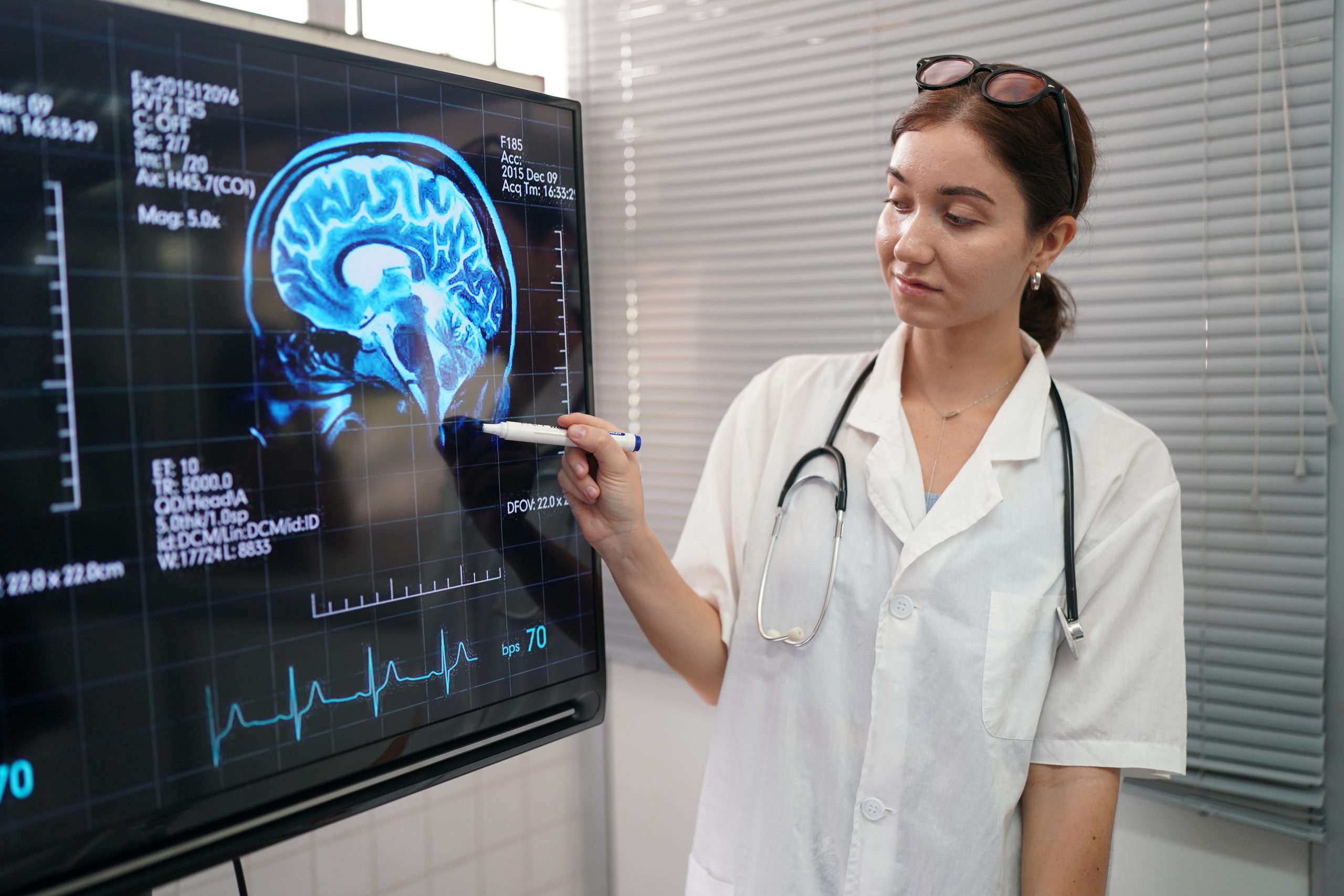
Moyamoya syndrome is a rare disease that affects the blood vessels in the brain. It is characterized by the progressive narrowing of the internal carotid arteries, which reduces blood flow to the brain and can lead to the formation of small and fragile blood vessels in an attempt to compensate for the lack of blood flow. The term “Moyamoya” means “puff of smoke” in Japanese, and it comes from the appearance of these additional blood vessels on an angiography, which resemble a cloud of smoke.
As research continues, the understanding of the underlying mechanisms of Moyamoya syndrome is expected to further improve, which could lead to better treatment approaches and greater public awareness of this disease.
Symptoms of Moyamoya syndrome
Strokes (Cerebrovascular Accidents, CVA)
These can be ischemic or hemorrhagic. Ischemic strokes occur when a narrowed or blocked artery reduces blood flow to the brain, which can lead to brain damage. Symptoms include weakness or paralysis on one side of the body, difficulty speaking or understanding speech, loss of coordination, blurred or double vision, and dizziness. Hemorrhagic strokes occur when a weakened blood vessel ruptures and bleeds into the brain. This can cause sudden and severe headache, nausea, vomiting, seizures, and loss of consciousness.
Headache
It may be severe and recurrent. This headache can be similar to a migraine and may worsen over time.

Seizures
Seizures may occur due to lack of blood flow to the brain or irritation caused by damaged brain tissue.
Changes in cognitive function
Reduced blood flow to the brain can affect cognitive function, which may manifest as difficulties with memory, concentration, learning, or decision-making.
Vision problems
Reduced blood flow to the brain can affect the visual centers and cause vision problems, such as blurred vision, double vision, or loss of vision on one side of the visual field.
Speech problems
Insufficient blood flow to the area of the brain that controls speech can cause difficulties in speaking, understanding speech, or finding the right words.
Muscle weakness or paralysis
Depending on the area of the brain affected by reduced blood flow, there may be weakness or paralysis on one side of the body, known as hemiparesis or hemiplegia.
It is important to note that symptoms can vary in severity from person to person and may worsen over time if the disease is not treated. If you experience any of these symptoms, especially if they are sudden or severe, it is important to seek medical attention immediately.
Conclusion
In conclusion, Moyamoya syndrome is a rare disease that affects the blood vessels in the brain, characterized by the progressive narrowing of the internal carotid arteries. This leads to reduced blood flow to the brain and may result in the formation of small and fragile blood vessels in an attempt to compensate for the lack of flow.

The symptoms of Moyamoya syndrome can vary in severity and may include strokes (ischemic or hemorrhagic), severe headache, seizures, changes in cognitive function, vision problems, speech problems, and muscle weakness or paralysis on one side of the body.
Diagnosis is made through imaging tests such as cerebral angiography. Treatment may include medications to prevent strokes and surgery to improve blood flow to the brain, such as direct or indirect revascularization.
It is crucial that individuals diagnosed with Moyamoya syndrome receive regular medical care and follow the recommended treatment plan to reduce the risk of serious complications such as strokes. In addition, education about symptoms and the promotion of healthy lifestyle habits are important to manage this disease effectively and improve patients’ quality of life.
If you would like more information about NeuroAiD II, please fill out this contact form.
"*" indicates required fields


