

Paresis is a medical condition characterized by partial loss of voluntary movement or impaired movement. Unlike paralysis, which involves complete loss of muscle function, paresis refers to partial weakness or incomplete paralysis. It can affect any part of the body and is usually the result of damage to the nervous system.
Types of Paresis
Paresis can be classified based on the location and extent of muscle weakness. This classification is essential for determining the most appropriate therapeutic plan and setting individualized rehabilitation goals.
Hemiparesis
Hemiparesis involves weakness or partial loss of movement on one side of the body, typically as a result of a stroke affecting one cerebral hemisphere. This condition can impact the arm, leg, and even the facial muscles on the same side. Patients with hemiparesis often experience difficulty walking, holding objects, or performing daily tasks. Treatment includes intensive physical therapy to restore balance, coordination, and strength, as well as occupational therapy to regain independence in daily activities.
Paraparesis
Paraparesis affects both legs and is common in cases of spinal cord injuries, multiple sclerosis, or neurodegenerative diseases. It can present symmetrically or asymmetrically and with varying degrees of severity. Patients may experience muscle stiffness, spasticity, and sometimes impaired sphincter control. Treatment includes physical therapy focused on gait training, stretching exercises, and in many cases, the use of orthopedic or assistive devices to improve mobility.
Monoparesis

Monoparesis is localized weakness in a single limb, either an arm or a leg. It can be caused by focal lesions in the brain, spinal cord, or peripheral nerves. Although less common than other forms of paresis, it can be an early manifestation of broader neurological conditions. Rehabilitation for monoparesis focuses on restoring functionality in the affected limb through targeted therapy, strengthening exercises, and neuromuscular reeducation techniques.
Quadriparesis
Quadriparesis, also known as tetraparesis, refers to weakness in all four limbs. It is generally caused by upper spinal cord injuries or severe neurological diseases such as amyotrophic lateral sclerosis (ALS). This form of paresis can significantly compromise patient independence, affecting both mobility and the ability to perform basic tasks. The therapeutic approach includes comprehensive rehabilitation, use of assistive technology, multidisciplinary medical care, and in some cases, psychological support.
Each type of paresis involves unique challenges and may require a specific approach to assessment, treatment, and ongoing support. A clear understanding of the type of paresis is essential to optimize rehabilitation outcomes and improve the patient’s quality of life.
Common Causes of Paresis
- Stroke (CVA)
- Traumatic brain injuries
- Spinal cord injuries
- Multiple sclerosis
- Cerebral palsy
- Nervous system tumors
- Infections such as meningitis or encephalitis
Diagnosis of Paresis
The diagnosis of paresis involves a thorough neurological examination. Physicians assess muscle strength, reflexes, coordination, and sensory perception. Imaging tests such as magnetic resonance imaging (MRI) and computed tomography (CT) are essential for identifying the underlying cause.
Symptoms of Paresis
- Muscle weakness
- Difficulty with coordination
- Fatigue
- Reduced motor control
- Numbness or pain
These symptoms may vary depending on the part of the body affected and the underlying cause of the paresis.
Rehabilitation for Paresis
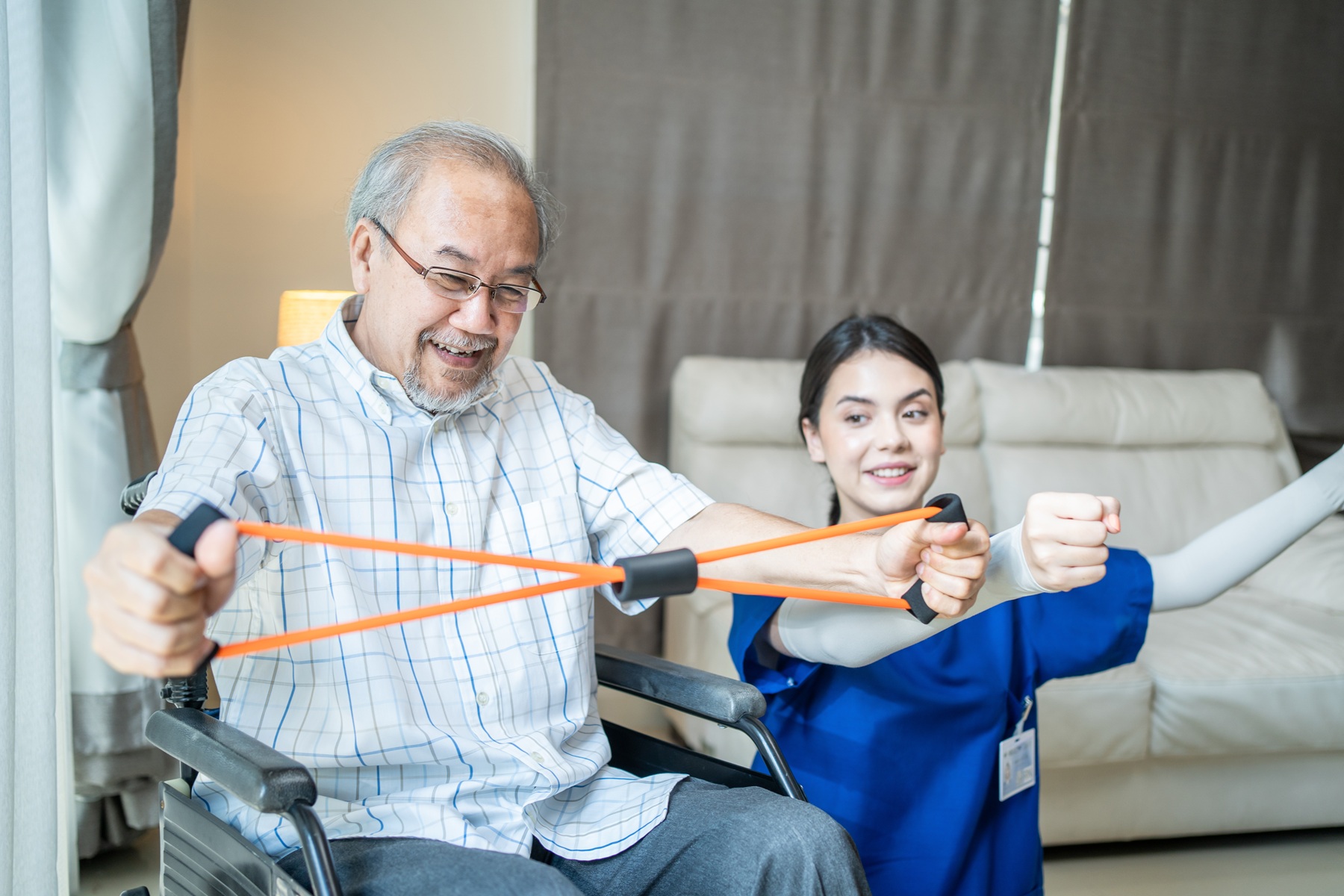
Physical therapy
It is the foundation of rehabilitation for paresis. It includes exercises to improve strength, balance, coordination, and flexibility.

Occupational therapy
Helps patients perform daily tasks such as dressing, bathing, and eating. It may also include the use of adaptive equipment.
Speech and language therapy
For patients with facial or oral paresis, which affects speech and swallowing.
Complementary Medical Treatments
- Medications (muscle relaxants, pain relievers)
- Treatment of underlying conditions (such as multiple sclerosis)
- Assistive devices (canes, walkers, braces, wheelchairs)
Psychological support
The emotional impact of living with paresis can be significant. Psychological counseling, support groups, and emotional guidance are key components of comprehensive treatment.
Advances in the Treatment of Paresis
- Functional electrical stimulation (FES)
- Robot-assisted therapy
- Virtual reality rehabilitation
These innovations are offering new hope for faster and more effective recovery.
Prevention of Paresis
- Healthy lifestyle
- Management of chronic conditions such as hypertension and diabetes
- Use of protective equipment
- Immediate medical attention for infections
Importance of education and awareness
Education and awareness about paresis are essential for early diagnosis and timely access to treatment. Public health campaigns and community programs can significantly improve patient outcomes.
Conclusion
Paresis is a complex neurological condition that can deeply affect the quality of life of those who experience it. However, with timely diagnosis, appropriate treatment, and personalized rehabilitation, many patients achieve significant improvements.
Learning more about paresis, its causes, types, and available treatments is essential to support those affected and promote a better quality of life. Ongoing research continues to open new doors, and the future for patients with paresis is increasingly hopeful.
If you would like more information about NeuroAiD II, please fill out this contact form.
"*" indicates required fields


