

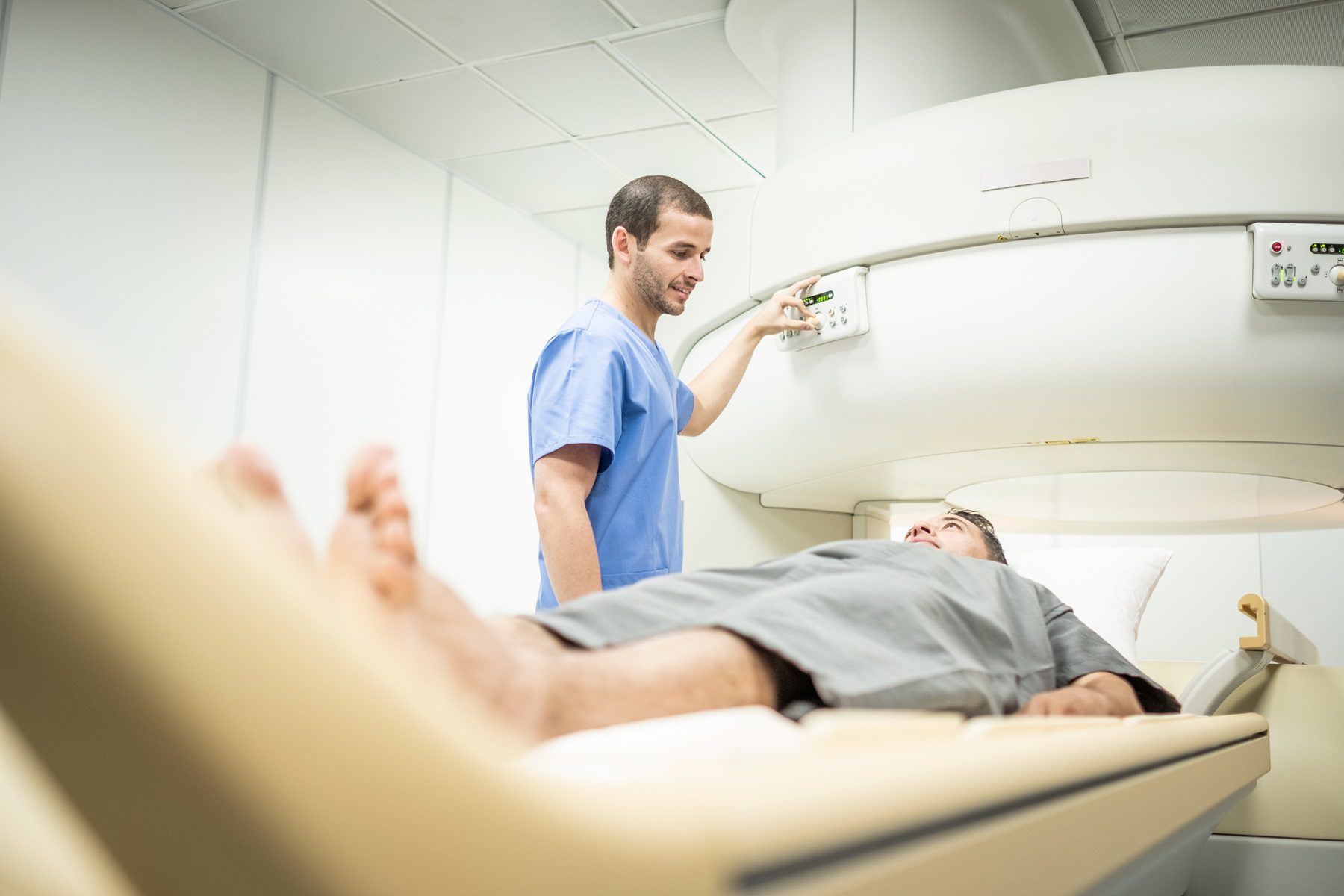

Perfusion MRI (Magnetic Resonance Imaging) is an advanced technique used in the diagnosis and treatment of strokes. This tool allows doctors to obtain detailed images of blood flow in the brain, helping identify areas affected by a stroke or brain hemorrhage. In this article, we will discuss in depth what perfusion MRI is, how it is used, its relevance in the treatment of strokes, and why it is a crucial test for assessing the condition of patients who have suffered a stroke. The keyword perfusion MRI will be repeated several times to highlight its importance.
What is perfusion MRI?
Perfusion MRI is an advanced imaging modality used to measure cerebral blood flow in real time. Through this technique, doctors can assess which areas of the brain are receiving enough blood and oxygen, which is essential for detecting damage caused by a stroke. Perfusion MRI uses contrast agents to visualize how blood flows through the brain’s vessels, allowing the identification of areas where blood flow is inadequate or has stopped.
This test is mainly used in emergency situations when a stroke is suspected, especially to determine whether it is an ischemic stroke (caused by the obstruction of an artery) or a hemorrhagic stroke (caused by the rupture of a blood vessel).
How is perfusion MRI used in strokes?

In the context of a stroke, perfusion MRI is used to assess cerebral blood flow and detect areas at risk of permanent damage. Strokes occur when the blood supply to part of the brain is interrupted, which can cause damage to brain tissue due to lack of oxygen. Perfusion MRI is especially useful for distinguishing between areas of the brain that have already suffered irreversible damage and those that are at risk but can still be saved with timely treatment.
The perfusion MRI procedure involves the injection of a contrast agent that travels through the circulatory system to the brain. The magnetic resonance scanner detects changes in blood flow and generates real-time images showing how blood flows through the brain’s arteries and veins. This is crucial in stroke assessment, as it allows doctors to identify affected areas and make rapid treatment decisions.
Why is perfusion MRI important in stroke treatment?
Perfusion MRI is a fundamental tool in the treatment of strokes due to its ability to provide detailed information on the extent and severity of brain damage. One of the main reasons this test is so valuable is that it can help doctors determine whether a patient is a candidate for treatments such as intravenous thrombolysis or mechanical thrombectomy, procedures designed to restore blood flow in patients with ischemic stroke.
In ischemic strokes, time is critical. The sooner blood flow is restored in the affected areas, the greater the chances of avoiding permanent brain damage. Perfusion MRI allows doctors to accurately identify which areas of the brain can still benefit from treatment, significantly improving patient recovery rates. In addition, this test can also be useful for monitoring the response to treatment and adjusting therapeutic strategies as needed.
What information does perfusion MRI provide?
Perfusion MRI provides several types of key information that are essential for assessing the impact of a stroke:
- Cerebral blood flow: The test measures the amount of blood passing through a specific area of the brain over a period of time. This helps identify areas with reduced blood flow, indicating a high risk of brain damage.
- Cerebral blood volume: This parameter refers to the total amount of blood present in a specific area of the brain. A low volume may indicate brain damage or an area at risk of developing it.
- Mean transit time: Perfusion MRI also measures the time it takes for blood to pass through a region of the brain. A prolonged transit time may suggest an obstruction or a significant reduction in blood flow.
These measurements allow doctors to obtain a clear and accurate view of the brain’s condition and the areas affected by the stroke. With this information, it is possible to make quick, evidence-based decisions about the most appropriate treatment.
Benefits of perfusion MRI in stroke management
Perfusion MRI offers several benefits in the management and treatment of strokes. Some of the most important include:
- Early detection of brain damage: Perfusion MRI can detect brain damage much earlier than other imaging methods, such as computed tomography (CT). This allows doctors to intervene quickly to minimize the aftereffects of the stroke.
- Distinction between damaged and at-risk brain tissue: One of the most valuable aspects of perfusion MRI is its ability to differentiate between brain tissue that has already suffered irreversible damage and areas that can still be saved if treated in time.
- Guidance in therapeutic decision-making: The detailed information provided by perfusion MRI allows doctors to make informed decisions about the use of treatments such as thrombolysis or mechanical thrombectomy, which can be critical for restoring blood flow in patients with ischemic stroke.
- Monitoring patient progress: In addition to being useful in the acute phase of a stroke, perfusion MRI can also be used to monitor the patient’s progress and evaluate the effectiveness of treatment.
Limitations of perfusion MRI
Despite its many benefits, perfusion MRI is not without limitations. One of the main ones is that the test requires the administration of a contrast agent, which may not be suitable for all patients, especially those with kidney problems. In addition, perfusion MRI is a more expensive test and less widely available than other imaging methods, such as CT.

Another limitation is that interpreting perfusion MRI results requires a high level of expertise from radiologists and neurologists, as careful analysis is needed to draw accurate conclusions about the condition of the brain.
Who should undergo perfusion MRI?
Perfusion MRI is mainly indicated for patients who present symptoms of a stroke and for those who have already been diagnosed with a stroke, especially if therapeutic interventions are being considered. Some of the symptoms that may justify a perfusion MRI include:
- Sudden loss of the ability to speak or understand language.
- Paralysis or weakness on one side of the body.
- Difficulty walking or maintaining balance.
- Sudden loss of vision in one or both eyes.
- Mental confusion or disorientation.
Patients who have been diagnosed with a stroke and are undergoing treatment can also benefit from perfusion MRI to assess the effectiveness of interventions and adjust the therapeutic plan as needed.
Conclusion
Perfusion MRI is an invaluable tool in the diagnosis and treatment of strokes. Thanks to its ability to provide detailed images of cerebral blood flow, this test allows doctors to quickly identify areas of the brain at risk and make informed decisions about the most appropriate treatment. In situations where time is critical, such as in the case of strokes, perfusion MRI can make the difference between a complete recovery and irreversible neurological damage.
In summary, perfusion MRI is an advanced and essential technique in stroke management, helping improve clinical outcomes and save lives.
If you would like more information about NeuroAiD II, please fill out this contact form.
"*" indicates required fields


