


A stroke is a medical emergency that can cause permanent damage if not treated promptly. Many people are familiar with the initial symptoms, but few truly understand the phases of a stroke and what happens in the body and in the patient’s life as time progresses.
What is a stroke?

Before analyzing the phases of a stroke, it is important to understand what a stroke actually is. A stroke occurs when the blood flow to the brain is interrupted, either by a blockage (ischemic stroke) or by bleeding (hemorrhagic stroke). This lack of oxygen damages brain cells, which can lead to the loss of motor, cognitive, or sensory functions, depending on the area affected.
Acute phase: the critical moment
The first phase of a stroke is the acute phase. This is the moment immediately following the event, where every second counts. The acute phase covers the first 24 to 72 hours after symptoms appear. During this stage, the main goal is to restore blood flow to the brain as quickly as possible.
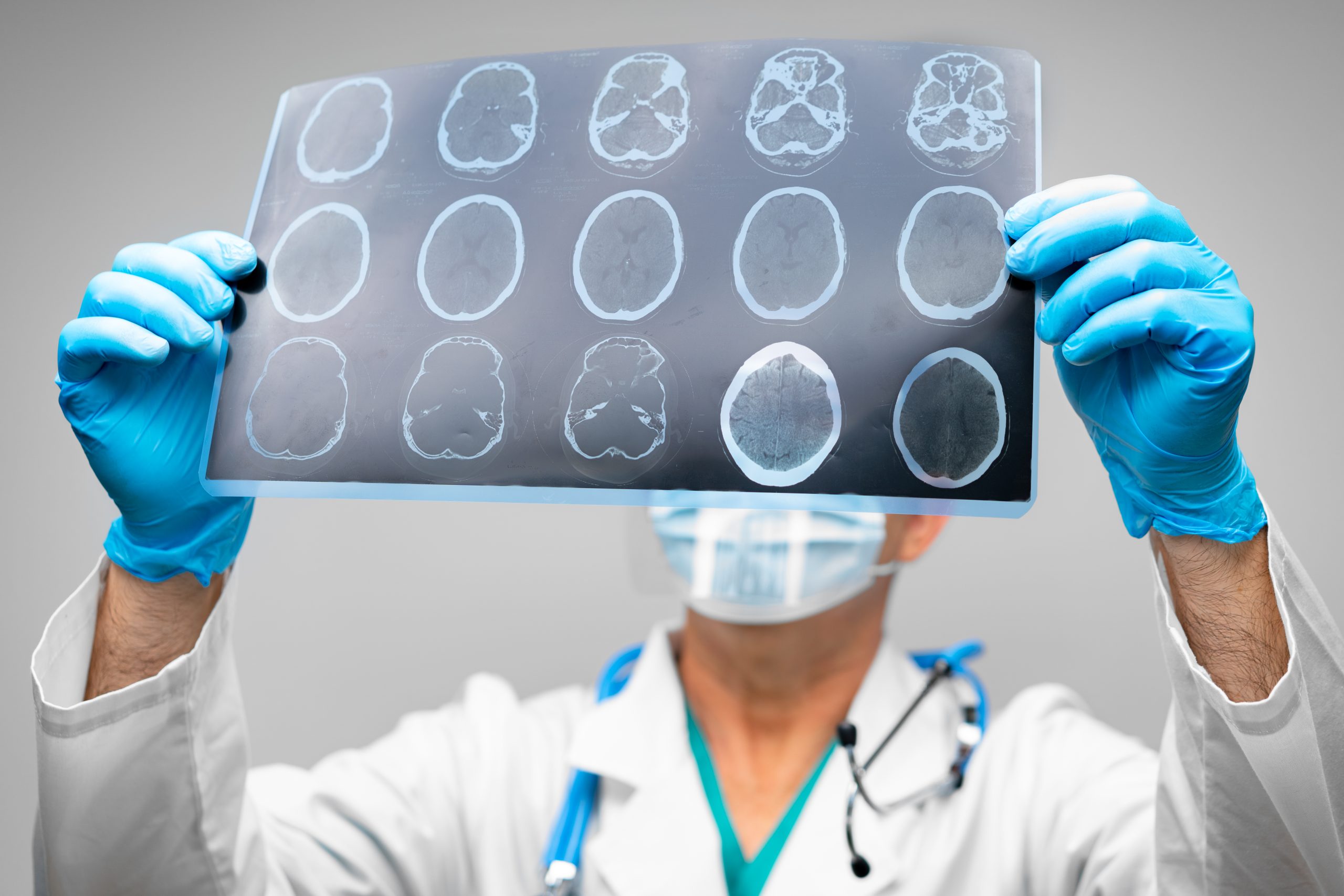
During this phase, diagnostic tests such as a CT scan or MRI are performed. In the case of an ischemic stroke, thrombolytic medication can be administered if treatment begins within the first few hours. For a hemorrhagic stroke, the focus is on controlling the bleeding and stabilizing the patient. This stage has the greatest influence on the prognosis, which is why recognizing the warning signs and seeking emergency care immediately is essential.
Subacute phase: stabilization and evaluation
Once the critical stage is over, the subacute phase begins, one of the most important within the phases of a stroke. This phase can extend from the third day to several weeks after the event. The focus here is to stabilize the patient, prevent complications, and begin planning their recovery.
During the subacute phase, the medical team assesses the neurological and functional damage and begins to design a personalized rehabilitation plan. Efforts are also made to prevent complications such as infections, pressure ulcers, or thrombosis. This is a stage where the extent of the sequelae becomes clearer, but so do the possibilities for recovery.
Rehabilitation phase: the path to autonomy
The third phase of a stroke is the rehabilitation phase, which can last several months. This stage involves a multidisciplinary approach that includes physical therapists, occupational therapists, speech therapists, and psychologists. It is essential for recovering motor, cognitive, and language functions that may have been affected.
Rehabilitation should begin as early as possible to take advantage of brain plasticity, which is the brain’s ability to adapt and form new connections. Each patient progresses at a different pace, but with a proper program and continuous support, the improvements can be significant. This is also one of the stroke phases where the family and social environment plays a key role.
Chronic phase: adaptation and prevention
The final phase of a stroke is the chronic phase. This is the period following initial rehabilitation, where the main goals are to maintain the progress achieved, improve quality of life, and prevent another episode. Many people are able to return to their daily routines, while others may require ongoing assistance.
During this stage, adaptation strategies are introduced, such as home modifications, assistive devices, and psychological therapy. Secondary prevention is also addressed through the management of blood pressure, cholesterol, blood sugar, and other risk factors. Understanding this final phase of a stroke allows for long-term planning and comprehensive support for the patient.
Importance of understanding the phases of a stroke
Talking about the phases of a stroke is not just a medical matter. It also involves understanding the emotional, family, and social impact of this condition. Each stage presents different challenges, and knowing what to expect at each point helps to face the situation with more tools and less uncertainty.
In addition, understanding the phases of a stroke allows for timely and precise action. From detecting the first symptoms to reintegrating the patient into daily life, every step matters. Proper care at each phase improves the prognosis and reduces the chances of permanent disability.
The patient experience: beyond the hospital

One of the least discussed aspects when talking about the phases of a stroke is the patient’s own experience. Each phase represents a different moment: fear and uncertainty during the acute phase, hope and effort during rehabilitation, and resilience in the chronic phase. It is important to support the patient not only physically but also emotionally.
Family members, healthcare professionals, and the community as a whole must be informed about the phases of a stroke in order to provide the necessary support. Sometimes, a word of encouragement or an adapted routine can make the difference between frustration and progress.
Conclusion
The phases of a stroke serve as a guide to understanding the full process a person goes through after experiencing a cerebrovascular accident. From the initial emergency to life after the event, each stage requires a specific and coordinated approach. Acting quickly, offering empathetic support, and having a well-structured rehabilitation plan are key elements for achieving the best possible recovery.
Remembering and recognizing the phases of a stroke is a powerful tool not only for healthcare professionals but also for patients, families, and caregivers. With clear information and appropriate strategies, it is possible to turn a traumatic experience into a story of resilience and adaptation.
If you would like more information about NeuroAiD II, please fill out this contact form.
"*" indicates required fields


