

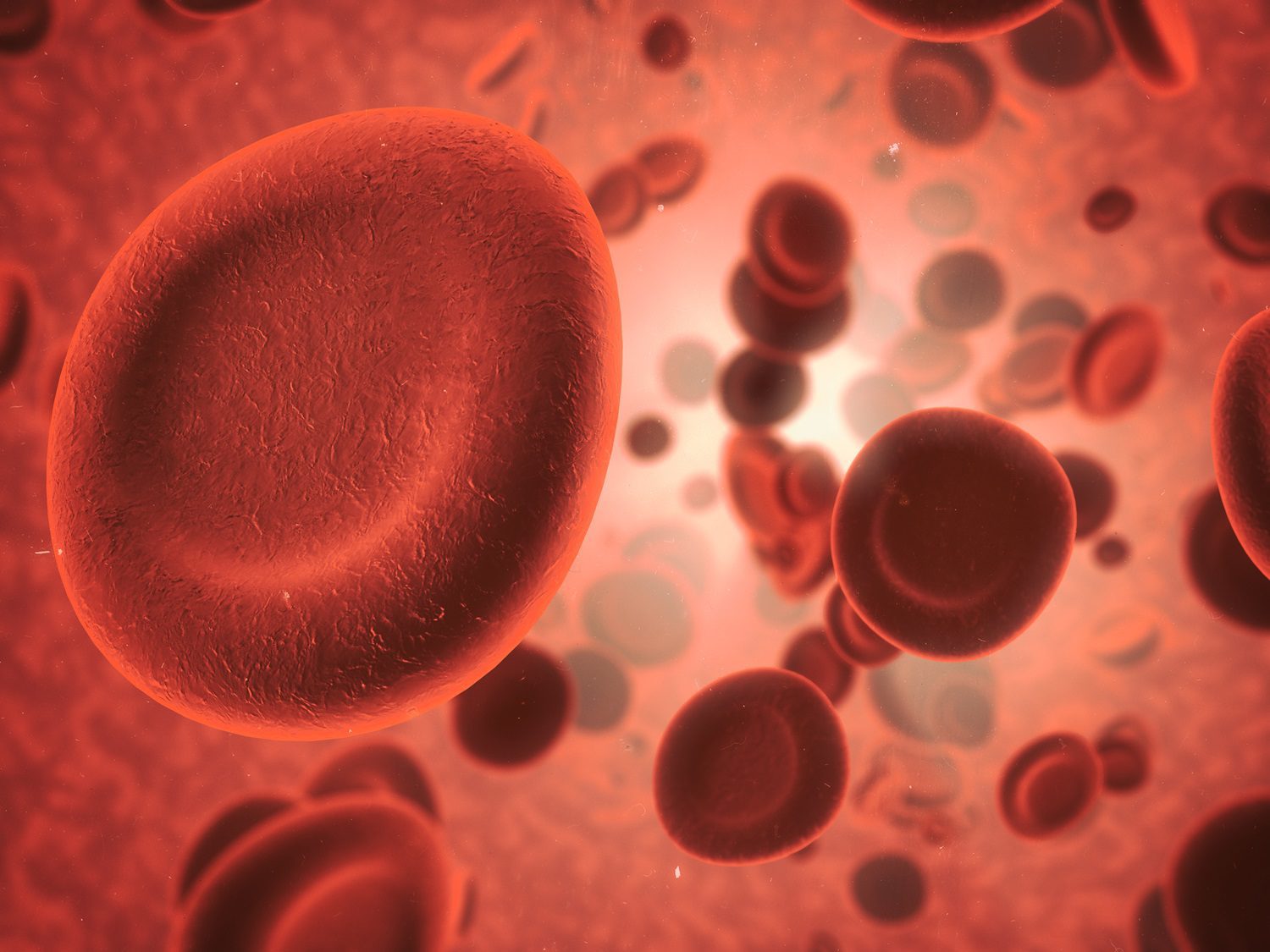

Blood homocysteine is a compound that, when present at elevated levels, can significantly impact cardiovascular and nervous system health. Recent research has highlighted its association with the development of conditions such as stroke, dementia, and other neurodegenerative disorders.
What is plasma homocysteine?
Homocysteine is an amino acid generated during the metabolism of methionine, a nutrient obtained from protein-rich foods.
- Metabolic role: it is involved in fundamental processes for protein synthesis and in the production of essential compounds such as glutathione.
- Normal levels: healthy values are typically below 15 µmol/L. Elevated levels, known as hyperhomocysteinemia, can damage blood vessels.
Homocysteine and brain health
Elevated plasma homocysteine levels may have adverse effects on the nervous system and the brain:
- Vascular damage: elevated homocysteine promotes inflammation and oxidative stress in the vascular walls, favoring the formation of atherosclerotic plaques and increasing the risk of stroke.
- Direct neurotoxicity: it may act as an excitotoxin, damaging neurons and contributing to neurodegenerative disorders such as Alzheimer’s disease.
- Cognitive impairment: elevated levels are associated with a decline in cognitive functions, memory, and learning.
Homocysteine and stroke
The relationship between plasma homocysteine and stroke has been the subject of numerous studies:
- Independent risk factor: hyperhomocysteinemia significantly increases the likelihood of both ischemic and hemorrhagic events.
- Interaction with other factors: it exacerbates the damage caused by hypertension, hypercholesterolemia, and diabetes.
- Prevention and treatment: reducing homocysteine levels through diet and supplementation has been shown to decrease the risk of recurrent stroke.
Causes of hyperhomocysteinemia
Elevated homocysteine levels may be caused by various factors:
- Vitamin deficiencies: deficiency of vitamins B6, B12, and folic acid impairs proper homocysteine metabolism.
- Genetic factors: alterations in the MTHFR (methylenetetrahydrofolate reductase) gene may affect its metabolism.
- Unhealthy lifestyle: diets high in animal protein, excessive alcohol consumption, and smoking.
- Underlying conditions: renal insufficiency, metabolic disorders, and autoimmune diseases.
Diagnosis and measurement
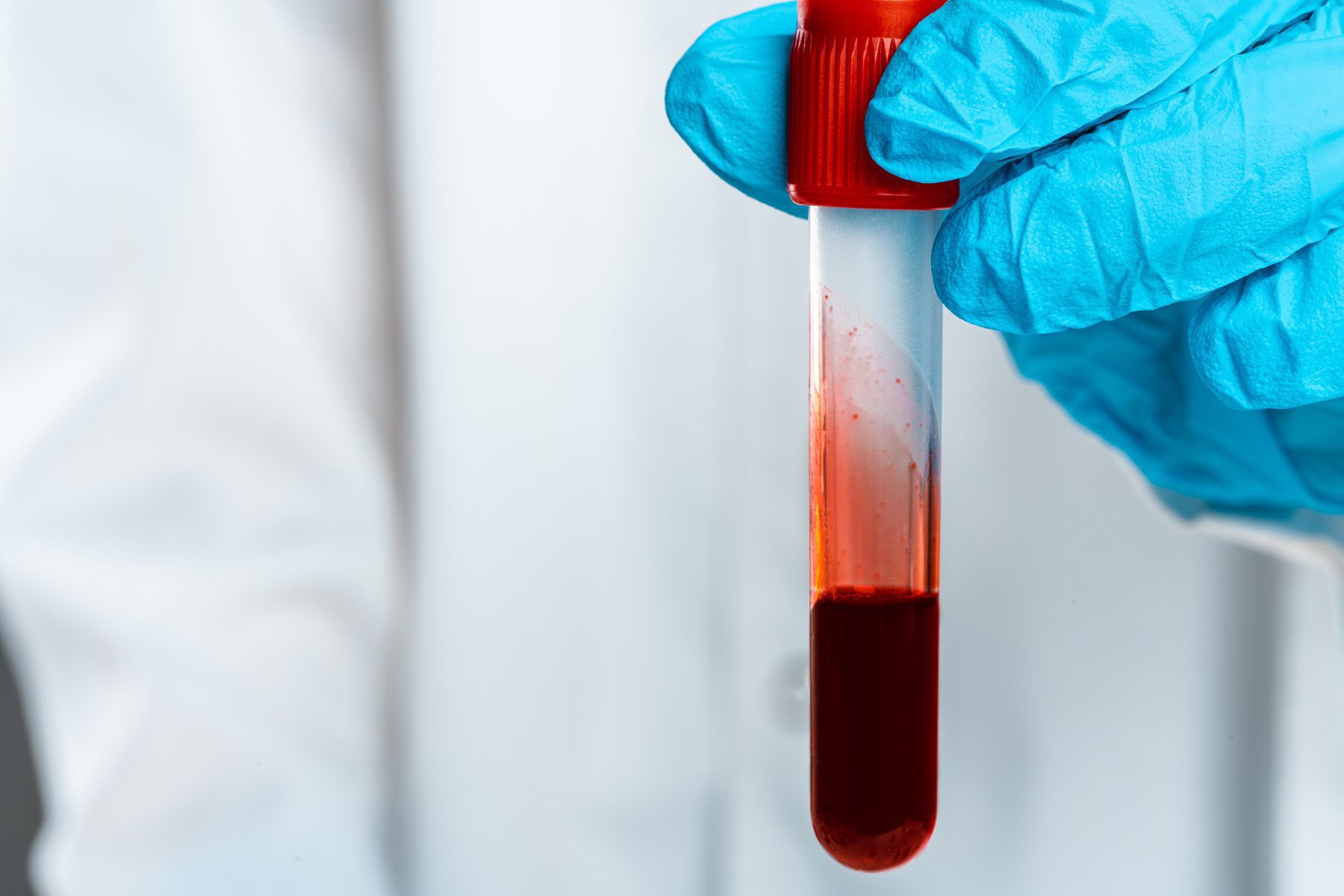
Blood homocysteine is assessed through a blood test:
- Routine testing: generally recommended in patients with a history of stroke, cardiovascular disease, or early-onset dementia.
- Interpretation of results:
- Normal: less than 15 µmol/L.
- Moderately elevated: 15–30 µmol/L.
- Severely elevated: greater than 100 µmol/L.
How to reduce plasma homocysteine
Prevention and control of homocysteine levels require a comprehensive approach:
- Balanced diet: include foods rich in vitamin B6 (such as bananas and potatoes), vitamin B12 (such as fish and meat), and folic acid (such as spinach and legumes).
- Supplementation: if deficiencies are present, vitamin supplementation may be required under medical supervision.
- Healthy lifestyle: it is important to reduce smoking and alcohol consumption, as well as engage in regular physical activity.
- Regular medical monitoring: it is essential to monitor levels through blood tests to adjust interventions when necessary.
Conclusion
Plasma homocysteine is a crucial biomarker that should not be overlooked in the prevention and management of neurological and cardiovascular diseases. Its impact on brain health, particularly in relation to stroke risk, highlights the importance of maintaining levels within normal ranges through an appropriate diet, supplementation when necessary, and a healthy lifestyle. Controlling homocysteine not only protects the brain but also improves overall health, reducing the risk of serious complications in the future.
If you would like more information about NeuroAiD II, please fill out this contact form.
"*" indicates required fields


