


A pontine infarction is a type of ischemic stroke that affects the pons, a structure located within the brainstem. Although it is not among the most common types of stroke, it can cause significant neurological impairment because this region is involved in essential functions such as movement, sensation, balance, breathing, and communication between the brain and the rest of the body.
The severity of a pontine infarction depends on the extent and location of the brain injury, as well as how quickly medical treatment is received.
What is a pontine infarction?
A pontine infarction occurs when blood flow to the pons of the brainstem is interrupted. As a result, neurons in this area are deprived of oxygen and nutrients, leading to brain tissue injury.
The pons contains numerous neural pathways that connect the cerebral cortex with the spinal cord and cerebellum. Therefore, even small lesions in this region can cause significant neurological symptoms.
What are the causes?

Most pontine infarctions are caused by obstruction of the small arteries that supply blood to the brainstem.
The most common causes include:
- Small vessel disease.
- Atherosclerosis.
- Cardiac embolism.
- Vertebral artery dissection.
- Blood clotting disorders.
The main risk factors include:
- High blood pressure.
- Diabetes.
- High cholesterol.
- Smoking.
- Atrial fibrillation.
- Obesity.
- Physical inactivity.
Symptoms of pontine infarction
Symptoms vary depending on the area of the pons affected and the size of the infarction.
Weakness or paralysis
Weakness may occur on one side of the body or, in more severe cases, affect all four limbs.
Difficulty speaking
Many people experience dysarthria, characterized by slow or unclear articulation of words.
Difficulty swallowing
Dysphagia is a relatively common complication and may increase the risk of aspiration.
Balance problems
Common symptoms include:
- Unsteadiness.
- Difficulty walking.
- Dizziness.
- Lack of coordination.
Visual disturbances
Depending on the location of the lesion, symptoms may include:
- Double vision.
- Abnormal eye movements.
- Difficulty moving the eyes.
Sensory disturbances
Some people may experience numbness, tingling, or reduced sensation in different parts of the body.
How is it diagnosed?
Diagnosis begins with a neurological examination and is confirmed through imaging tests.
The most commonly used tests include:
- Brain magnetic resonance imaging (MRI).
- Computed tomography (CT) scan.
- CT angiography (CTA) or magnetic resonance angiography (MRA) when evaluation of the blood vessels is required.
- Cardiac investigations if an embolic source is suspected.
MRI is generally the most sensitive imaging technique for detecting lesions in the brainstem.
Recovery and rehabilitation
Recovery depends on the size of the infarction, the patient’s age, and how quickly treatment was initiated.
Rehabilitation typically includes:
- Physiotherapy to help restore mobility and balance.
- Occupational therapy to improve independence in daily activities.
- Speech and language therapy when there are difficulties with speaking or swallowing.
- Cognitive rehabilitation if problems with attention or memory occur.
Neuroplasticity enables many people to experience progressive improvement during the months following a stroke.
Possible long-term effects

The long-term effects can vary considerably from one patient to another.
The most common include:
- Persistent muscle weakness.
- Balance problems.
- Difficulty walking.
- Speech difficulties.
- Dysphagia.
- Fatigue.
- Impaired coordination.
In more extensive cases, pontine infarction can lead to serious neurological complications, making medical follow-up essential.
Conclusion
A pontine infarction is a type of stroke that affects the pons of the brainstem and can impair important functions such as movement, balance, speech, and swallowing. Early diagnosis, prompt treatment, and an individualized rehabilitation program are essential to improve prognosis and promote functional recovery.
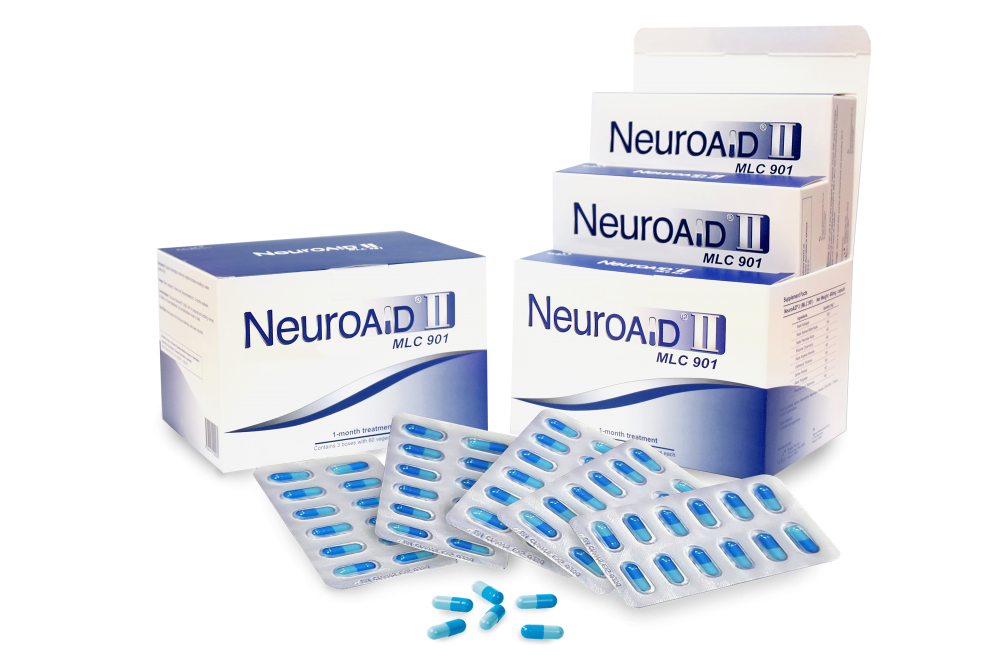
If you would like more information about NeuroAiD II, please complete this contact form.
"*" indicates required fields


