

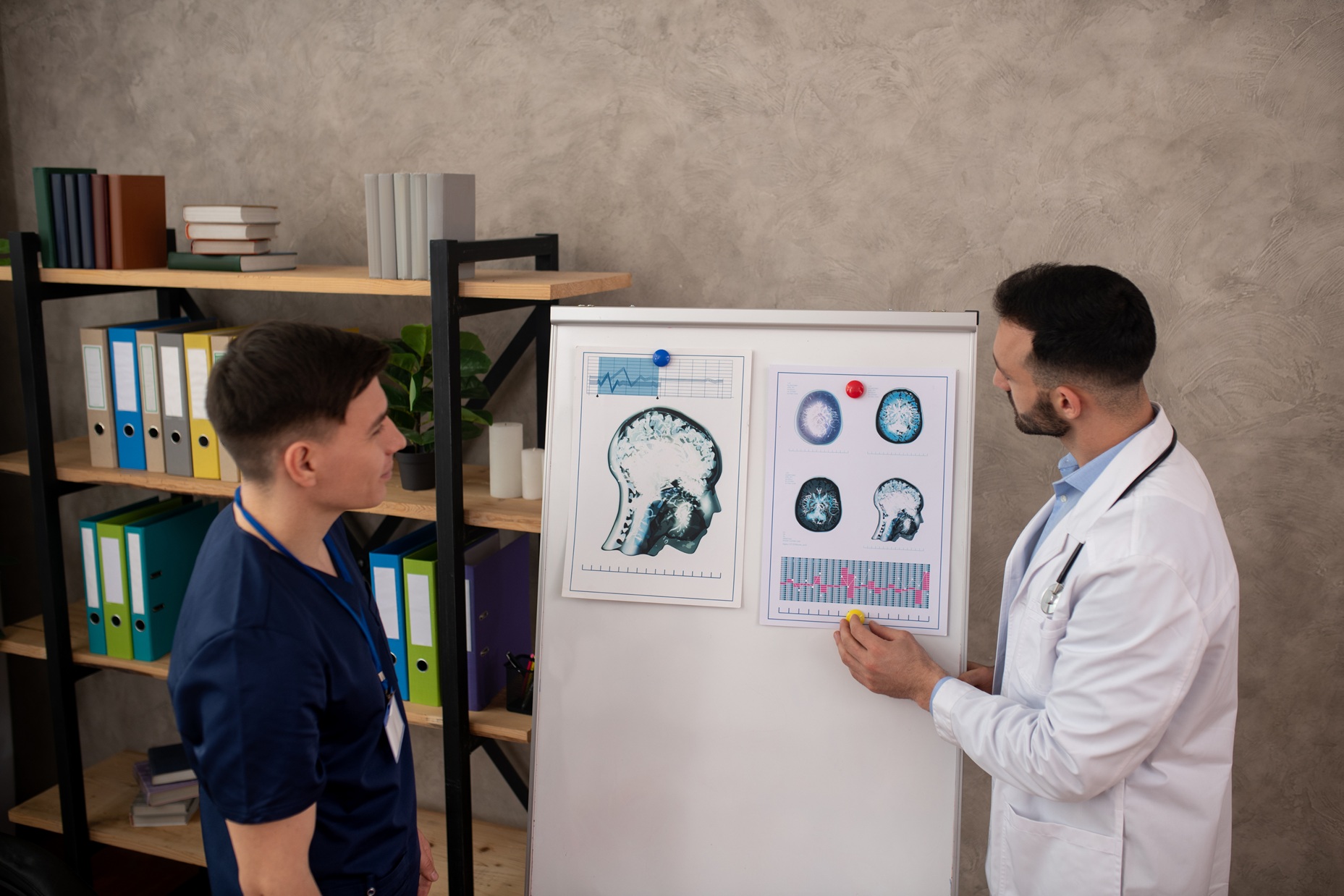

A stroke is a medical emergency that can have devastating consequences. Within this diagnosis, there are two main types: ischemic stroke and hemorrhagic stroke. Both represent serious threats to brain health, but each has distinct characteristics, treatments, and prognoses. This article explores in depth which is worse, ischemic or hemorrhagic stroke, and why this question does not have a simple, single answer.
Before comparing which is more severe, it is important to understand what distinguishes these two types of strokes.
-
Ischemic stroke: accounts for approximately 85% of cases. It occurs due to an obstruction in a cerebral artery, usually caused by a clot or the buildup of cholesterol plaques (atherosclerosis). When blood flow is interrupted, neurons begin to die from lack of oxygen.
-
Hemorrhagic stroke: occurs when a blood vessel ruptures, causing cerebral bleeding. This accumulated blood compresses the surrounding brain tissue, which can be extremely harmful. Although less common, it tends to be more lethal.
Therefore, when one asks which is worse, ischemic or hemorrhagic stroke, the answer depends on multiple factors, including the extent of damage, the affected brain area, and the timing of medical care.
Mortality and severity: which is worse?

Studies show that hemorrhagic stroke generally has a higher mortality rate. This is because the bleeding can cause a sudden increase in intracranial pressure, compromising vital brain structures. It often requires urgent surgical intervention and intensive care.
In contrast, ischemic stroke has a lower mortality rate but a high rate of long-term disability. If not treated quickly (ideally within the first 4.5 hours with treatments such as thrombolysis), neurological damage can be permanent.
So, from the perspective of immediate survival, hemorrhagic stroke is more lethal, but in terms of long-term functional consequences, both can be devastating. Hence the reasonable doubt about which is worse, ischemic or hemorrhagic stroke.
Long-term aftereffects
The aftereffects of both types of stroke can include:
-
Paralysis of one side of the body (hemiplegia)
-
Speech and language problems (aphasia)
-
Cognitive and memory disorders
-
Post-stroke depression
-
Loss of independence
In the case of ischemic stroke, the aftereffects can be more “distributed” and affect different functions depending on the brain area affected. In hemorrhagic stroke, there can be a sudden and severe loss of functions, especially if the bleeding was extensive or affected deep brain areas such as the thalamus or brainstem.
Factors that worsen one or the other

To determine which is worse, ischemic or hemorrhagic stroke, preexisting conditions must be taken into account:
-
Uncontrolled high blood pressure favors hemorrhagic strokes.
-
Atrial fibrillation, smoking, and diabetes favor ischemic strokes.
-
The use of anticoagulants can turn an ischemic stroke into a mixed event with bleeding.
Time to receive medical care must also be considered: an ischemic stroke can be reversible with immediate treatment, while a hemorrhagic stroke can worsen drastically if bleeding is not controlled.
Treatment and recovery
-
Ischemic stroke: intravenous thrombolysis, mechanical thrombectomy, anticoagulants, rehabilitation.
-
Hemorrhagic stroke: intracranial pressure control, neurosurgery, drainage, absolute bed rest, and intensive rehabilitation.
The recovery path for both is long, but experts agree that neuroplasticity can allow significant functional improvements if action is taken early.
So, which is worse, ischemic or hemorrhagic stroke?
There is no single definitive answer. From a medical perspective:
-
If we talk about the probability of death, hemorrhagic stroke is usually worse.
-
If we talk about frequency and number of people affected, ischemic stroke is more common and causes a greater burden on healthcare systems.
-
If we consider the possibility of rehabilitation, both offer opportunities if there is early intervention.
The most important thing is not just to ask which is worse, ischemic or hemorrhagic stroke, but how to prevent them, recognize them in time, and act quickly to minimize their effects.
Conclusion
The question of which is worse, ischemic or hemorrhagic stroke, opens the door to a deep reflection on brain health, access to medical services, and risk awareness. Both types of stroke represent a serious threat to life and functionality. The best tool we have is information: knowing the symptoms, seeking medical attention quickly, and adopting habits that protect our arteries and brain.
If you would like more information about NeuroAiD II, please fill out this contact form.
"*" indicates required fields


