

Spastic contracture is a condition characterized by a sustained increase in muscle tone, caused by hyperactivity of muscle reflexes. This condition is usually the result of damage to the central nervous system, affecting the neural pathways that control muscle contraction and relaxation. Various neurological conditions may be associated with spastic contracture, such as stroke, traumatic brain injuries, multiple sclerosis, cerebral palsy, among others.
Mechanism of Spastic Contracture
Spastic contracture arises due to the loss of normal neural inhibition in the central nervous system. Under normal conditions, there is a delicate balance between signals that promote muscle contraction and relaxation. When this balance is disrupted, the muscles can become stiff and tense.
Neurological damage disrupts this balance, leading to increased excitability of muscle reflexes. The lack of normal neural control leads to excessive muscle activity, resulting in stiffness and muscle spasms.
Symptoms of Spastic Contracture
The symptoms of spastic contracture can vary in severity and presentation, but commonly include:
- Muscle Stiffness: The affected muscles tend to become rigid and tense.
- Involuntary Spasms: Sudden, unwanted muscle movements may occur spontaneously.
- Loss of Range of Motion: Spastic contracture can limit the ability to move a joint through its full range of motion.
- Abnormal Postures: Tight muscles can lead to the adoption of abnormal or uncomfortable postures.
These symptoms not only affect physical functionality but can also have a significant impact on the individual’s quality of life.
Underlying Causes of Spastic Contracture
Spastic contracture is generally associated with neurological disorders. The underlying causes may include:

- Stroke: A cerebrovascular event can damage specific areas of the brain, affecting the nerve signals that control muscle tone.
- Traumatic Brain Injuries: Injuries to the brain, such as those that can occur after head trauma, may lead to spastic contracture.
- Multiple Sclerosis: This autoimmune disease affects the central nervous system, causing damage to nerve fibers and contributing to spasticity.
- Cerebral Palsy: A condition that affects brain development before, during, or shortly after birth, cerebral palsy is often associated with muscle spasticity.
- Other Neurological Conditions: Neurodegenerative disorders and diseases of the central nervous system can also contribute to spastic contracture.
Diagnosis
The diagnosis of spastic contracture generally involves clinical evaluation by healthcare professionals such as neurologists or physical therapists. Imaging studies, such as MRI scans, can be used to identify structural damage in the central nervous system. In addition, the patient’s medical history and the observation of symptoms are key components in the diagnostic process.
Treatments for Spastic Contracture
The management of spastic contracture involves a multidisciplinary approach and may include:
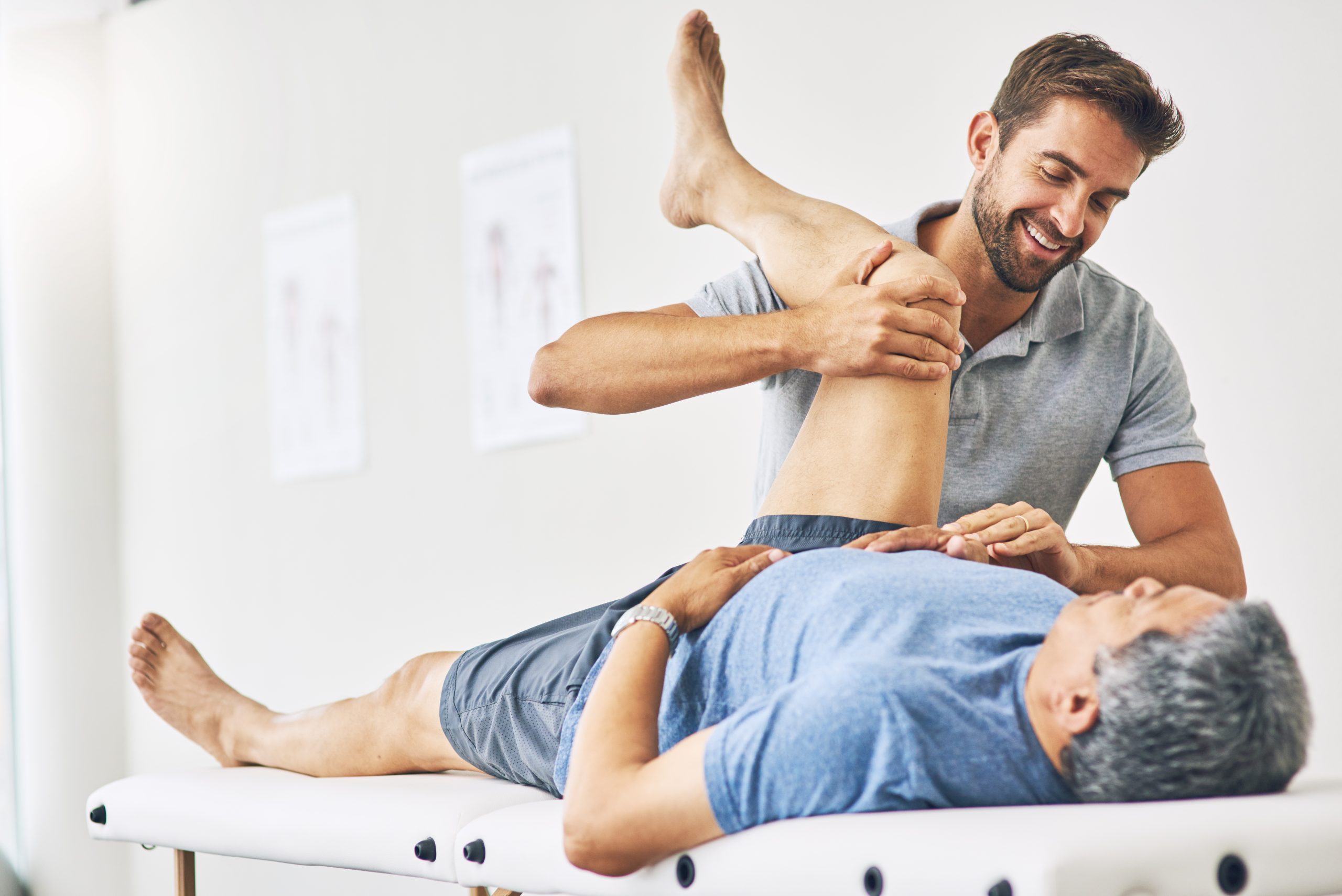
- Physical Therapy: Physical therapists play a vital role in treatment by designing specific exercise programs to improve muscle strength, range of motion, and coordination.
- Medications: Medications such as muscle relaxants may be prescribed to reduce spasticity. Botulinum toxin (Botox) is also used to block nerve signals to the affected muscles.
- Occupational Therapy: Occupational therapists work on adapting daily activities to improve independence and functionality.
- Surgery: In severe cases or when other treatment options are ineffective, surgery may be considered to correct structural problems or release tight muscles.
Prevention and Long-Term Care
The prevention of spastic contracture involves proactive measures such as:
- Regular Exercise: Regular mobilization and stretching of joints and muscles can help prevent stiffness and maintain range of motion.
- Spasticity Control: Medications and targeted treatments can help manage spasticity before it progresses into a full contracture.
- Environmental Adaptations: Modifications in the environment and daily life may be necessary to facilitate independence and reduce the strain on affected muscles.

Spastic contracture not only affects physical function but can also have an impact on the mental and emotional health of the affected person. Psychosocial support and mental health care are crucial components in the comprehensive management of the condition.
Conclusion
In summary, spastic contracture is a neuromuscular condition that results from hyperactivity of muscle reflexes due to damage to the central nervous system. Early diagnosis and a comprehensive treatment approach can significantly improve the quality of life of those affected by this condition. The combination of physical therapy, medications, and long-term care can help minimize symptoms and improve daily functionality. Ongoing research and advances in the field of neurology may also open new doors for the management and treatment of spastic contracture in the future.
If you need information about NeuroAiD II, you can fill out this contact form.
"*" indicates required fields


